 Bradenton Window
 Why Samoset Decks Wear Out Faster Than the Brochure Says
Samoset sits close enough to Tampa Bay and the Gulf that every deck in the neighborhood is dealing with the same slow attack: salt-laden air, near-constant humidity, intense UV, and the occasional direct hit from tropical storm winds and driving rain. None of that is unique to any one house — it's just what Manatee County weather does to exterior wood and hardware, year after year. The difference between a deck that lasts fifteen years and one that starts failing at year five usually comes down to how it was built and maintained, not luck.
Wood decks in this area take on moisture through end grain and fastener holes, swell, dry out under the sun, and cycle through that expansion and contraction hundreds of times a year. Composite decking resists rot but still depends entirely on the wood or metal framing underneath — framing that's often the first thing to fail while the surface boards still look fine. And every metal fastener, bracket, and post base on a Bradenton deck is fighting corrosion from salt air almost every day it's outside.
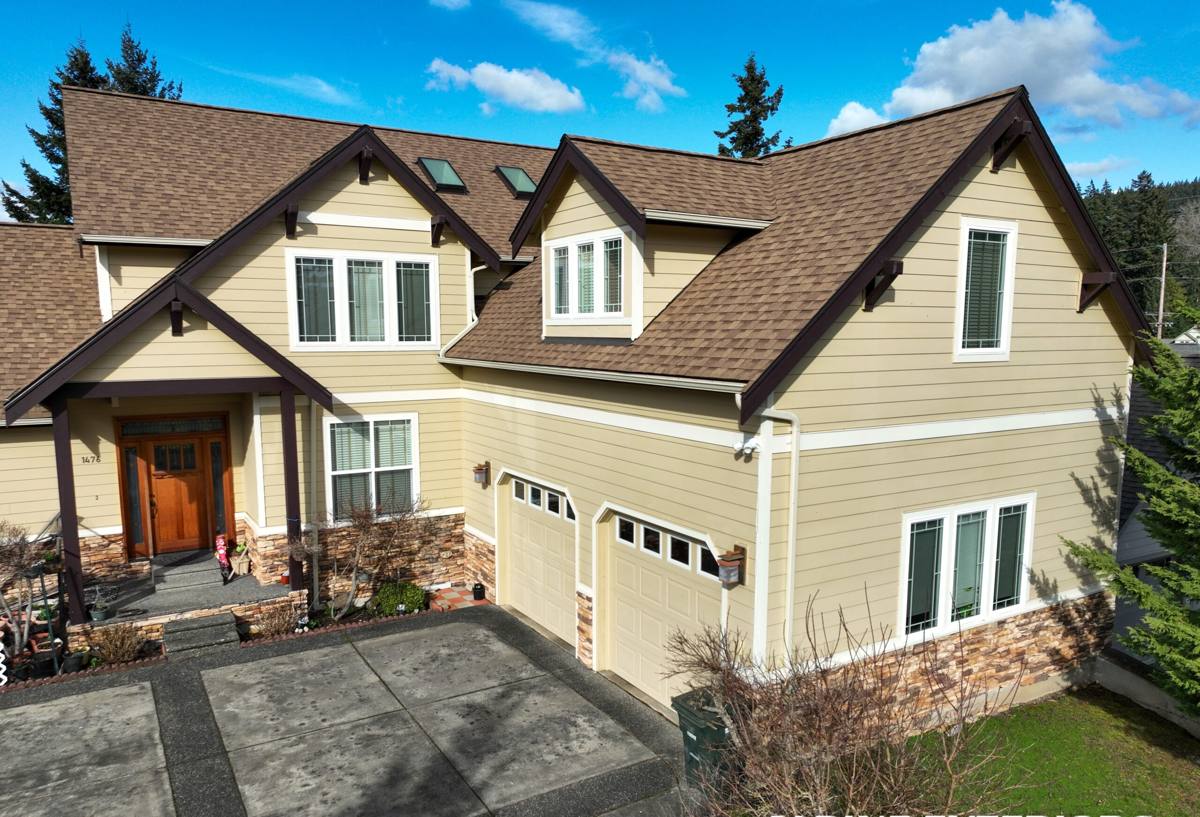
Signs a Samoset Deck Needs Repair, Not a Full Rebuild
Most decks we look at in this area don't need to be torn out completely — they need targeted repair to the specific components that failed first. Knowing what to look for helps you catch problems while they're still repairs and not a full replacement job.
- Boards that feel spongy, springy, or noticeably softer underfoot than the rest of the deck
- Visible gaps, cupping, or splitting in decking boards, especially near fastener heads
- Rust streaks bleeding out from screws, nails, or bracket hardware
- Wobble or movement in the railing when you lean on it
- A ledger board (where the deck attaches to the house) that looks damp, discolored, or separated from the siding
- Posts that feel loose at the base, or visible gaps between post and footing
- Stairs that flex, bounce, or have uneven rise between steps
- A general "give" in the deck frame when several people are standing on it at once
Any one of these on its own is usually a repair. Several of them together, especially involving the ledger or main support posts, is worth a full structural evaluation before anyone plans a cookout on it.
What a Correct Deck Repair Actually Involves
It Starts Underneath, Not on the Surface
A deck repair that only replaces the boards you can see is a cosmetic fix, not a structural one. The framing underneath — joists, beams, posts, and especially the ledger board bolted to the house — is what actually holds the deck up and keeps it safe. In our experience working on decks throughout the Bradenton area, framing failure is far more common than people expect, because it's hidden from view until someone pulls up a board or the deck starts to sag.
A proper repair means pulling enough decking to actually inspect the frame underneath, not just patching what's visible from the top. That's the only way to catch rot, corrosion, or loose connections before they become a safety issue.
The Ledger Connection Deserves Special Attention
The ledger board is where the deck ties into the house, and it's one of the most common failure points on Gulf Coast decks because it sits right where rainwater runs off the roof and siding. If flashing wasn't installed correctly — or wasn't installed at all — water gets trapped between the ledger and the house and rots both from the inside out. We check ledger flashing and fastening on every repair, because a deck can look structurally fine everywhere else and still be unsafe at the one point where it's attached to your home.
Fasteners and Hardware Matter More Here Than Inland
Standard galvanized fasteners corrode noticeably faster in salt air than they do even twenty or thirty miles inland. A repair that reuses corroded hardware or uses the wrong fastener grade is a repair that fails again in a few years. We use fasteners and structural connectors rated for coastal exposure, and we replace hardware as a matter of course during any structural repair rather than reusing what's already showing rust.
Wood, Composite, and Repair-in-Kind: Making the Right Call
When a deck needs board replacement, homeowners usually have three realistic paths: repair with matching wood, repair with a different wood species, or transition the surface to composite decking while keeping the existing frame (assuming the frame is sound). Each has real trade-offs, and we'll tell you honestly which makes sense for your situation rather than pushing whichever costs more.
| Option | Upfront Cost | Maintenance | Coastal Durability |
|---|---|---|---|
| Pressure-treated pine (match existing) | Lowest | Needs sealing/staining every 1-2 years | Good if sealed consistently; vulnerable if neglected |
| Higher-grade wood (cedar, tropical hardwoods) | Mid to high | Periodic oiling/sealing | Better natural resistance, still needs upkeep |
| Composite decking | Highest | Occasional washing, no sealing | Resists rot and fading well; framing underneath still needs wood-standard protection |
One honest point we make with every homeowner: switching the surface to composite doesn't remove the maintenance need from the framing underneath. Joists and beams are still wood (or should be pressure-treated wood), still need proper flashing and airflow, and still need periodic inspection. Composite solves a surface problem, not a structural one.
Our Deck Repair Process
- On-site inspection. We walk the full deck, check the ledger connection, test posts and railings for movement, and pull sample boards if we suspect hidden frame damage.
- Honest scope and estimate. You get a plain-language explanation of what's actually wrong, what needs to be repaired versus what can wait, and a written estimate before any work starts.
- Framing repair first. Any compromised joists, beams, posts, or ledger connections get repaired or replaced, along with corroded hardware, before we touch the surface.
- Surface repair or replacement. Damaged boards are replaced to match existing decking, or transitioned to composite if that's the direction you choose.
- Railing and stair check. Since these are the most common injury points on a failing deck, we verify railing stability and stair structure as part of every repair, not as an afterthought.
- Final walk-through. We show you what was done and why, and flag anything worth monitoring going forward.
What Drives the Cost of a Deck Repair
Every deck repair is different, so we don't quote by phone — but these are the factors that actually move the price up or down, so you know what you're paying for.
| Factor | Why It Matters |
|---|---|
| Extent of framing damage | Surface repairs are cheaper than joist, beam, or ledger replacement |
| Deck height and accessibility | Multi-level or elevated decks require more labor and safety measures |
| Material choice | Matching existing wood is usually cheaper than switching to composite |
| Railing and stair condition | Code-compliant railing repair adds scope if the originals were undersized or loose |
| Permit requirements | Structural repairs often require permitting, which adds time but protects you at resale and insurance time |
Permits and Local Requirements
Structural deck repair — anything involving the ledger, framing, posts, or footings — typically requires a permit in Manatee County or the City of Bradenton, depending on where the property sits. Cosmetic board replacement usually doesn't, but the line between the two isn't always obvious from the surface. We handle the permitting conversation as part of the job so you're not left guessing whether your repair needs a sign-off, and so the work is documented if it ever comes up during a home sale or insurance review.
Keeping a Repaired Deck in Good Shape
A repair is only as good as the maintenance that follows it. These are the habits that actually extend the life of a deck in this climate:
- Sweep debris off the deck regularly so moisture and organic matter don't sit against the boards
- Reseal or restain wood decking on the schedule appropriate for the product, not just when it looks faded
- Rinse salt residue off after storms or high-wind events, especially on hardware and railings
- Check underneath the deck once or twice a year for standing water, plant growth against posts, or soft framing
- Have railings and stairs checked for movement periodically, not just when something feels obviously wrong
- Address small issues — a loose board, a rust spot — before the next storm season rather than after
Why Local Experience in Samoset Actually Matters
A deck repair crew that already works in Samoset and the surrounding Bradenton neighborhoods has seen how the local combination of salt exposure, humidity, and storm exposure plays out on real decks, not just in a manual. That means recognizing which framing details tend to fail first in this specific environment, knowing what Manatee County permitting actually expects for deck work, and being straightforward about what's a genuine safety issue versus what's cosmetic. It also means being reachable after the job if something needs a follow-up look — which matters more here than in a milder climate, because conditions keep working on a deck long after the repair crew leaves.
If you're seeing soft spots, loose railings, or rust stains on a Samoset deck, it's worth getting an honest look before the next storm season rather than after. We offer free, no-pressure estimates — use the form below to schedule one and we'll tell you plainly what your deck actually needs.