 Bradenton Window
 Roof Repair Built for Samoset's Climate
Samoset sits inland from the coast but still takes the full brunt of what Manatee County weather dishes out year-round. Hurricane-force winds during storm season, intense UV exposure nearly every day of the year, wind-driven rain that finds its way under loose or lifted materials, and salt-laden air drifting in off the Gulf all combine to age a roof faster here than in most parts of the country. A roof repair in this area isn't just patching a leak — it's addressing damage caused by a very specific combination of environmental stressors, and doing it in a way that holds up until the next storm season, not just until the next inspection.
Homeowners in Samoset often deal with roofs that look fine from the ground but have real problems underneath: cracked sealant around penetrations, granule loss from UV breakdown, lifted shingle tabs from wind, or corroded fasteners from salt exposure. A correct repair means finding and fixing the actual cause, not just covering the symptom.
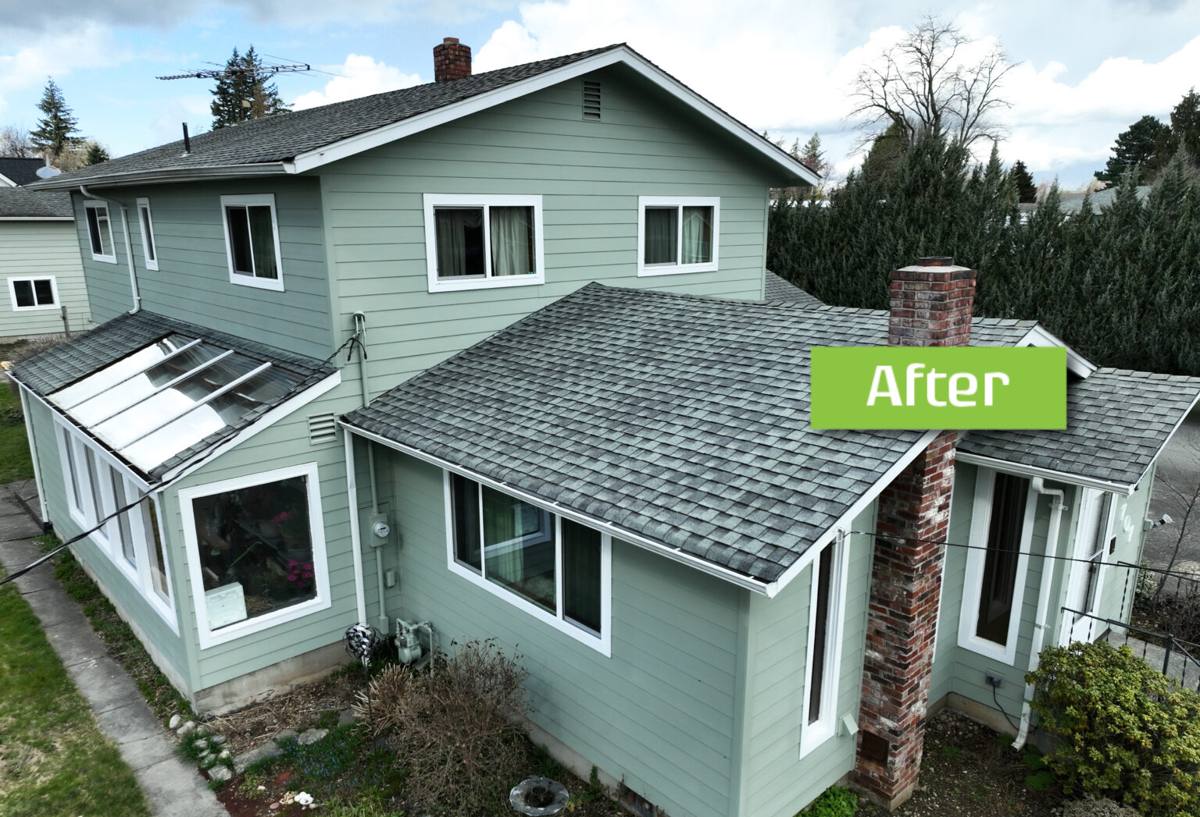
How Local Conditions Damage Roofs in This Area
Wind and Storm Stress
Manatee County sees tropical systems and severe thunderstorms that generate sustained winds capable of lifting shingles, loosening tile, and peeling back flashing at edges and penetrations. Even when a roof survives a storm without visible damage, repeated wind loading over multiple seasons weakens fastener holds and seals, which shows up later as a leak during an otherwise ordinary rainstorm.
UV Exposure
Florida sun is relentless, and roofing materials are engineered with a service life that assumes real UV exposure — but that exposure adds up faster here than in the manufacturer's national averages. Asphalt shingles lose granules, sealant strips become brittle, and rubber boots around vent pipes crack and shrink years before they would in a milder climate.
Wind-Driven Rain
Rain that falls straight down rarely causes leaks on a properly installed roof. Rain driven sideways by wind is a different story — it gets pushed up under shingle tabs, through gaps in flashing, and into any spot where sealant has failed. Most of the "mystery leaks" we diagnose in this area trace back to wind-driven rain finding a small, otherwise unremarkable weak point.
Salt Air Corrosion
Samoset isn't right on the coast, but salt air still travels well inland across Manatee County, especially with onshore winds. Metal flashing, fasteners, vent caps, and any exposed metal roofing components are vulnerable to corrosion over time. Once fasteners start to corrode, their holding power drops, and that's often when small leaks turn into larger ones.
Signs a Samoset Roof Needs Repair, Not Just Watching
Some roof issues are urgent, some can be scheduled, and some are worth monitoring. Knowing the difference helps you avoid both unnecessary panic and costly delay.
- Water stains on ceilings or in the attic, even faint ones — they rarely go away on their own
- Missing, cracked, or curling shingles anywhere on the roof plane
- Lifted or displaced tiles, or tiles that shift underfoot when walked on
- Visible granule loss showing as bare, shiny patches on asphalt shingles
- Cracked or dried-out sealant around vent pipes, chimneys, and skylights
- Rusted, lifted, or separated flashing at roof edges, valleys, or wall intersections
- Sagging sections of roof deck, which can indicate underlying moisture damage
- Debris damage after a storm — even minor impacts can compromise the roofing surface
If you're seeing more than one or two of these at once, or any interior water intrusion, it's worth having the roof looked at before the next heavy rain rather than after.
What a Correct Roof Repair Actually Involves
A rushed repair addresses what's visible and moves on. A correct one traces the problem to its source, which is often several feet away from where the leak actually shows up inside the house — water travels along the roof deck and framing before it drips through a ceiling.
Diagnosis First
Before any material goes on the roof, the actual entry point needs to be found. That means inspecting flashing, penetrations, valleys, and the surrounding field of roofing, not just the spot directly above the interior stain.
Matching Materials and Method to the Existing Roof
Repairs need to use materials compatible with what's already on the roof — matching shingle profile and, where possible, color; using the correct underlayment weight; and following manufacturer specifications for fastener type and pattern. A patch that doesn't match the existing system can create new weak points or void portions of an existing warranty.
Addressing the Underlayment, Not Just the Surface
On many repairs, the surface material (shingle, tile, or metal panel) is only half the story. If underlayment has been compromised by long-term moisture exposure, replacing just the visible top layer will leave the underlying problem in place and the leak will return.
Proper Flashing and Sealant Work
Most roof leaks in this climate trace back to flashing and sealant failures rather than failed shingles or tiles themselves. Correct repair work means replacing degraded flashing rather than just re-sealing over it, and using sealants rated for sustained UV and heat exposure.
Repair vs. Replacement: Making the Right Call
Not every roof problem in Samoset calls for a full replacement, and not every leak can be permanently solved with a patch. The table below outlines the general factors that separate the two.
| Factor | Repair Usually Makes Sense | Replacement Should Be Considered |
|---|---|---|
| Roof age | Roof is within its expected service life | Roof is near or past the end of its typical lifespan |
| Extent of damage | Isolated to one area, flashing point, or penetration | Widespread granule loss, multiple leak points, or large storm damage |
| Underlayment condition | Underlayment is still intact beneath the affected area | Underlayment is compromised across large sections |
| Deck condition | Roof deck is solid and dry | Deck shows soft spots, rot, or repeated moisture exposure |
| Repair history | First or infrequent repair need | Recurring leaks or repeated past repairs in different spots |
We'll always give you a straight answer about which category your roof falls into, including when a repair is genuinely the right and more economical choice — we're not going to push a replacement a roof doesn't need.
Our Roof Repair Process in Samoset
- Inspection. We examine the full roof — not just the reported problem area — including flashing, penetrations, valleys, and attic space where accessible, to identify every contributing issue.
- Honest assessment. We explain what we found, what's causing it, and what a proper fix requires, including whether repair or replacement is the better long-term value.
- Written estimate. You get a clear scope of work and price before anything begins, with no vague line items.
- Repair work. We match materials to your existing roof system, replace compromised underlayment and flashing where needed, and follow manufacturer installation specifications rather than shortcuts.
- Final check. We verify the repair holds under inspection and walk you through what was done and why.
Why It Matters That We Already Work in This Area
A crew that regularly works roofs throughout Bradenton and Manatee County — including neighborhoods like Samoset — has already seen how local conditions affect the materials in use here. That familiarity shows up in practical ways: knowing which flashing details tend to fail first under wind-driven rain, understanding how salt air behaves on inland properties versus those directly on the water, and being available quickly when storm damage needs an urgent temporary fix followed by a permanent one.
It also matters for permitting and code compliance. Manatee County has specific requirements for roofing work, and a contractor who routinely pulls permits and passes inspections in this jurisdiction moves through that process without delays that can leave a damaged roof exposed longer than necessary.
Simple Maintenance That Extends a Repair's Life
- Have the roof inspected after any major storm, even if no leak is visible yet
- Keep gutters and valleys clear of debris so water doesn't pool or back up
- Trim overhanging branches that can drop debris or scrape roofing material in wind
- Check attic spaces periodically for signs of moisture, staining, or musty odor
- Address small issues — a lifted shingle, a cracked pipe boot — before the next storm season rather than after
Getting Your Roof Looked At
If you're dealing with a leak, storm damage, or a roof that's simply showing its age in Samoset's climate, the smartest first step is an honest, no-pressure inspection. We'll tell you plainly what we find, what it will take to fix it correctly, and what it costs — no upsell, no guesswork. Use the form below to request a free estimate, and we'll get back to you to schedule a look at your roof.