 Bradenton Window
 Siding Repair in Parrish Isn't the Same Job as Siding Repair Anywhere Else
Parrish has grown fast over the past several years, and that growth means a real mix of siding on the ground — newer builds finished in the last few years sitting next to older homes that have already been through a decade or more of Florida weather. Whatever the age, siding here is doing a harder job than siding in most parts of the country. It's the first line of defense against hurricane-force wind gusts, near-constant UV exposure, wind-driven rain that gets forced sideways into seams and laps, and salt-laden air that drifts inland off Tampa Bay and the Gulf. Repair work that doesn't account for all of that tends to fail again within a season or two.
Wind and Storm Exposure
Manatee County sits squarely in a wind zone that building code takes seriously, and Parrish is no exception. Even when a storm doesn't produce a direct hit, sustained wind and gusts put constant flexing stress on siding panels, fasteners, and the flashing details around windows, doors, and corners. Over time, that flexing loosens fasteners, opens hairline gaps, and stresses seams — damage that's often invisible from the ground until water starts getting behind the siding.
Sun, Humidity, and Moisture
Florida sun is relentless, and it doesn't take a break in the winter the way it does farther north. UV exposure breaks down caulk, degrades paint film, and dries out and warps some siding materials faster than manufacturers' warranties assume. Pair that with Manatee County's humidity and the frequent afternoon storms that soak siding and then let it bake dry again, and you get a repeated wet-dry, expand-contract cycle that's brutal on seams, trim, and any repair that wasn't done with the local climate in mind.
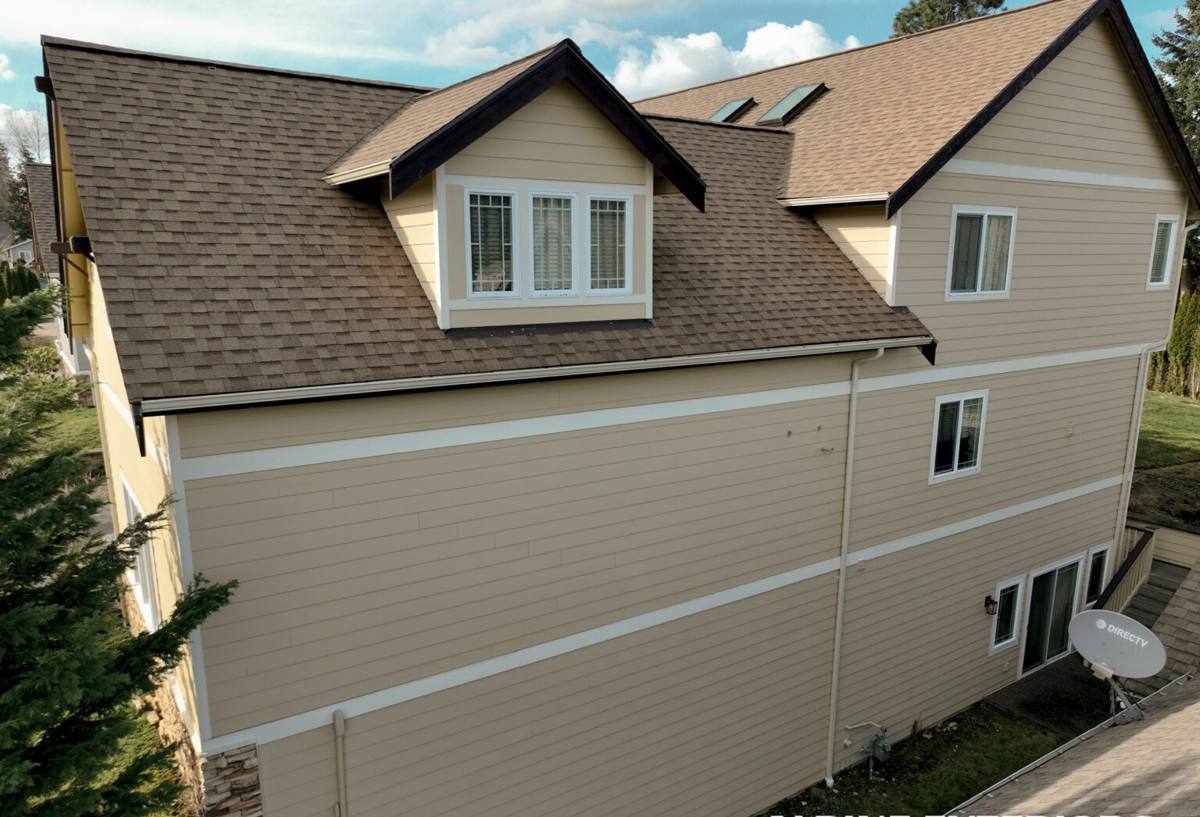
Common Siding Damage We See on Parrish Homes
Most of the repair calls we get in this area fall into a handful of categories. Recognizing which one you're dealing with matters, because the fix — and the urgency — is different for each.
Impact and Wind Damage
Cracked, dented, or missing panels after a storm, loosened fasteners that let panels rattle or lift in wind, and damaged flashing or trim around penetrations like light fixtures, hose bibs, and vents.
Moisture and Rot Damage
Soft or swollen board edges, staining or streaking at seams and butt joints, and in more severe cases, rot in the sheathing behind the siding where water has been getting in unnoticed for a while. This is the category that costs homeowners the most when it's caught late.
Sun and Age-Related Damage
Chalking, fading, and cracked or peeling paint film, brittle or cracked caulk at joints, and warped or cupped boards on materials that weren't engineered for this climate to begin with.
What a Proper Siding Repair Actually Involves
Diagnosing the Real Cause, Not Just the Symptom
Patching a cracked board without figuring out why it cracked is a short-term fix. A correct repair starts by finding out whether the damage is isolated — a single impact, a single failed fastener — or a sign of a larger moisture or installation problem behind the siding. That means checking the sheathing, house wrap, and flashing in the affected area, not just the visible board.
Matching Material, Profile, and Color
Repairs that don't match the surrounding siding in profile, reveal, and finish stand out immediately and can also create new water paths if the replacement piece isn't installed with the same laps and clearances as the original. On any home where we're repairing James Hardie fiber cement, we work from Hardie's own installation specs so the patched section performs exactly like the rest of the wall, not like an afterthought.
Getting the Details Right, Not Just the Field
Most siding failures actually start at the details — inside corners, butt joints, window and door trim, penetrations — not in the middle of a flat wall. A repair that replaces a damaged board but ignores worn caulk or a failing flashing detail two feet away hasn't solved the underlying problem.
Our Siding Repair Process
- Inspection and diagnosis — we look at the damaged area and the surrounding wall, not just the spot you called about, to check for hidden moisture or related issues.
- Moisture and substrate check — where there's any sign of water intrusion, we check the sheathing and house wrap behind the siding before closing anything back up.
- Written repair plan — you get a clear explanation of what's actually wrong, what needs to happen, and an honest estimate before any work starts.
- Repair execution — damaged material is removed, the substrate is addressed if needed, and new material is installed to spec, with attention to fastening, clearances, and flashing.
- Finish and detail work — caulking, touch-up, and color matching so the repair blends with the rest of the wall.
- Final walkthrough — we go over the completed work with you before we consider the job done.
Repair or Replace? How We Help You Decide
Not every repair call ends in a repair. Sometimes the honest answer is that patching one section only delays a replacement the whole wall needs. Here's how we walk homeowners through that decision.
| Factor | Leans Toward Repair | Leans Toward Replacement |
|---|---|---|
| Extent of damage | Isolated to one or two areas | Spread across multiple walls or elevations |
| Age of existing siding | Well within expected service life | At or past the end of its practical lifespan |
| Moisture behind siding | None found, or contained to the repair area | Found in multiple locations or ongoing over time |
| Material type | Durable material still performing well overall | A material we've seen consistently underperform in this climate |
| Cost over time | Repair cost is a small fraction of replacement | Repeated repairs are starting to add up |
When repair is the right call, we tell you that plainly. When it isn't, we'll explain why in terms of what we actually found, not a sales pitch.
Why We Repair and Install Only James Hardie Fiber Cement
We don't install vinyl siding, LP SmartSide, Cemplank, Allura, primed spruce, or cedar, and that standard shapes how we approach repairs too. Each of those products has real strengths, but they also come with trade-offs we've seen play out in exactly the kind of climate Parrish sits in — vinyl that can warp or become brittle under sustained UV and heat, engineered wood products that need diligent moisture management to avoid edge swelling, and natural wood that demands ongoing maintenance to hold up against humidity and insects. James Hardie fiber cement is non-combustible, holds its shape and paint line far better under UV exposure, and is engineered specifically for high-humidity, high-heat climates through its HZ product lines. Its ColorPlus factory finish also means repairs can be color-matched with far more precision than a field-mixed paint job. That combination — durability, climate engineering, and a strong transferable warranty — is why it's the only product we stand behind, for new installations and for repairs alike.
Why Hiring a Crew That Already Works in Parrish Matters
Siding repair looks straightforward from the outside, but doing it right in this part of Manatee County means understanding local wind-load requirements, how the permitting process works for exterior repairs, and what kinds of damage actually show up on homes here versus in a drier, calmer climate. A crew that works this area regularly has already seen how different siding materials and installation shortcuts hold up — or don't — against real Gulf Coast weather. That experience shows up in faster, more accurate diagnosis and in repairs that are built to handle the next storm season, not just look fine until it arrives.
Signs Your Siding Needs a Repair Call
- Visible cracks, holes, or missing sections of siding
- Panels that feel loose, rattle in the wind, or have visibly pulled away from the wall
- Soft, swollen, or spongy spots when pressed
- Staining, streaking, or discoloration at seams and joints
- Cracked, peeling, or missing caulk around trim, windows, and doors
- Visible warping, cupping, or buckling of individual boards
- Water stains on interior walls near exterior siding damage
Keeping Repaired Siding Performing After We Leave
A good repair should hold up for years, but a little upkeep helps it go the distance in this climate. Rinse siding periodically to clear off salt residue and organic buildup, keep an eye on caulk lines at trim and penetrations since they're usually the first thing UV and humidity wear out, and have any new staining, soft spots, or loose sections looked at before the next storm season rather than after. Catching small issues early is almost always cheaper and simpler than waiting for them to turn into a bigger repair.
If you're dealing with damaged, aging, or storm-affected siding on a Parrish home, we're glad to take a look. Estimates are free, there's no pressure, and you'll get a straight answer about whether your home needs a repair, a replacement, or nothing at all right now — just use the form below to get started.