 Bradenton Window
 Why Southgate Decks Don't Age Like Decks Up North
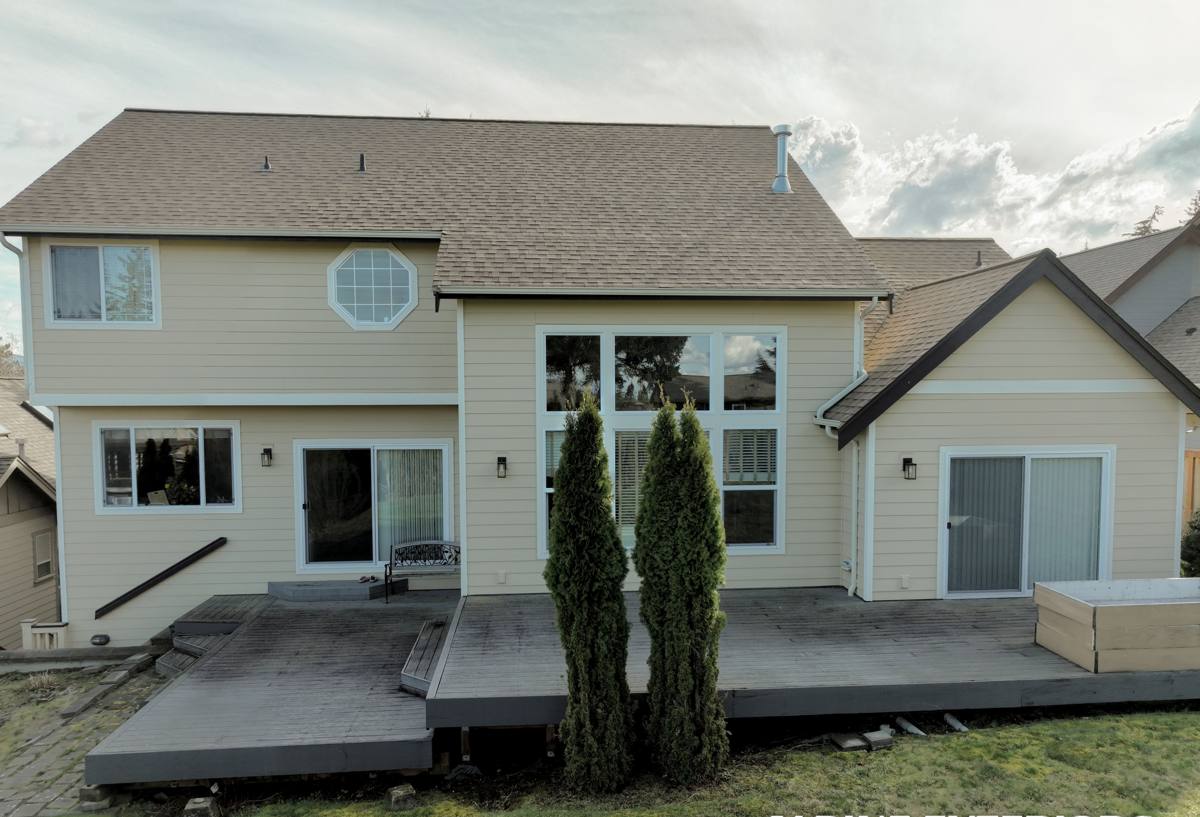
Southgate is one of Bradenton's established, close-in neighborhoods, and a lot of the homes here have been standing for decades under the same conditions that make Gulf Coast Florida beautiful and hard on exterior wood at the same time. A deck built here spends most of the year in direct, intense sun, sits through a wet season of near-daily afternoon storms, and gets a steady dose of salt-tinged air carried inland off Tampa Bay and the Gulf, even without being waterfront property. None of that is dramatic on any single day. It's the accumulation — season after season — that wears a deck out faster here than it would somewhere with a real winter to slow that process down.
Composite decking was built to handle that kind of steady punishment better than wood does, but not every composite product handles it equally well, and the installation details matter as much as the material choice. This page covers what a Southgate home actually needs from a composite deck, what a correct build looks like given Manatee County's climate, and why the fine points of the job — not just the boards you pick — determine whether it still looks and performs well ten years from now.
What Southgate's Climate Actually Puts a Deck Through
UV Load, Almost Year-Round
Florida sits under some of the most intense, consistent UV exposure in the country, and a deck surface takes that sun directly for most of the day, most months of the year, with no wall or roofline to shade it. UV breaks down unprotected plastics and pigments over time, fades color unevenly depending on sun exposure across the deck, and on lower-quality boards it raises surface temperature enough to matter for bare feet in July and August. Which composite line you choose, and how well its outer layer is engineered to resist that load, has a direct effect on how the deck looks in year five versus year one.
Wind-Driven Rain and Storm Season
Hurricane season isn't a rare event to plan loosely around here — it's a real design condition every deck built in Manatee County has to account for. Beyond the occasional named storm, Southgate gets frequent, heavy afternoon thunderstorms for a good part of the year, often with enough wind to drive rain sideways under railings and between boards rather than straight down. That means drainage and airflow underneath the deck surface matter just as much as what's visible on top, and framing, ledger attachment, and railing systems all need to be sized for real wind loads, not the minimum.
Salt Air, Even This Far Inland
Southgate isn't waterfront, but Bradenton as a whole sits close enough to Tampa Bay and the Gulf that salt-laden air still reaches inland neighborhoods on a regular sea breeze, especially compared to truly inland parts of the state. That salt exposure accelerates corrosion in exposed metal — fasteners, brackets, railing hardware — gradually, in ways that aren't obvious until a fastener has already lost real holding strength. It's a lighter dose than a barrier island gets, but it's persistent, and it's part of why standard-grade hardware isn't the right call on a deck meant to last here.
Humidity and What It Does Underneath the Deck
Manatee County's humidity stays high most of the year, and that moisture load doesn't just affect the visible boards — it affects the framing underneath, especially on older Southgate lots where grading, drainage, and shade from mature landscaping can keep the ground beneath a deck damp longer after a storm than a more exposed, newer lot would. That's usually where a deck actually fails first: not the surface boards, but a substructure that was framed with the wrong material or without enough airflow to dry out between rains.
What "Composite Decking" Actually Means
Composite decking is generally a blend of wood fiber and plastic, but the ratio, the plastic type, and how the board is finished vary widely between manufacturers and even between product lines from the same manufacturer. Two distinctions matter most for a Southgate installation:
Capped vs. Uncapped Composite
Capped composite boards wrap a protective plastic shell around a wood-plastic composite core, which shields the core from moisture absorption, staining, and UV degradation. Uncapped composite — the older style of the product — leaves that wood-plastic blend exposed on all sides, which means it absorbs more moisture and is more prone to fading, mold, and surface wear over time. In a humid, high-UV environment like Manatee County, that difference becomes visible faster than it would in a drier climate, which is our standard reason for defaulting to capped composite on decks here.
Where PVC Fits In
Some manufacturers also offer fully cellular PVC decking, with no wood fiber in it at all. PVC resists moisture absorption completely and some lines run noticeably cooler underfoot, but it can flex more under heavy point loads and typically costs more upfront than capped composite. Whether capped composite or PVC makes more sense for a given Southgate deck usually comes down to sun exposure, budget, and how the space will actually be used — we'll walk through that trade-off honestly rather than defaulting to whichever product carries a bigger margin.
What a Correct Installation Involves Here
The decking boards get most of the attention when homeowners picture the project, but the substructure and fastening details are what actually decide whether the deck holds up under Southgate's combination of sun, storms, and humidity. A build done right includes:
- Framing material rated for Florida's moisture and ground-contact conditions — pressure-treated lumber suited to the exposure, or an aluminum or composite substructure where the site calls for it
- Stainless steel or coastal-grade coated fasteners throughout, not standard hardware that corrodes faster under sustained humidity and salt air
- Hidden fastener systems on the visible deck surface where the product allows, reducing exposed metal and giving a cleaner finished look
- Correct board gapping for expansion, contraction, and drainage — composite moves with heat differently than wood, and gapping has to account for that
- Proper ledger board flashing and attachment where the deck ties into the house, a common failure point when it's rushed or done without the right flashing detail
- Joist spacing matched to the specific composite product's span rating rather than a generic wood-framing standard
- Railing and post attachment sized for real wind load, not just code minimums, especially on raised decks
- Ventilation and drainage built into the substructure so moisture doesn't sit against the framing after a storm
Skipping any one of these rarely causes a visible problem on day one. It shows up years later — a soft spot in the framing, a railing post that's started to work loose, or rust staining bleeding out around a fastener that's already lost most of its holding strength.
Composite Decking Compared to the Alternatives
| Material | How It Handles Sun, Humidity & Salt Air | Maintenance | Typical Lifespan Here |
|---|---|---|---|
| Capped composite | Strong — cap layer resists moisture, staining, and UV fade | Occasional washing; no sealing or staining | Long-term, backed by manufacturer warranty |
| Cellular PVC | Excellent — no wood fiber to absorb moisture at all | Occasional washing; no sealing or staining | Long-term, generally at a higher upfront cost |
| Uncapped composite | Moderate — absorbs some moisture, more prone to UV fade and mold in humid air | Periodic cleaning to manage staining and mildew | Shorter than capped products in this climate |
| Pressure-treated wood | Weak over time — humidity and salt air corrode fasteners faster and drive moisture into the boards | Regular sealing or staining required | Shortest, with the most ongoing upkeep |
| Tropical hardwood | Good natural density, but still needs finish upkeep against UV and humidity | Periodic oiling to prevent graying and checking | Long if maintained; degrades faster if neglected |
What Drives the Cost of a Southgate Deck Project
| Factor | Why It Moves the Price |
|---|---|
| Deck size and footprint shape | More square footage and more cut corners or angles both add material and labor time |
| Composite product tier | Entry-level capped lines, premium capped lines, and PVC all sit at different price points per square foot |
| Substructure condition | A replacement deck built on failing or undersized existing framing needs that framing rebuilt, not just re-decked |
| Height and railing requirements | Raised decks need engineered railing and post attachment sized for wind load, which adds material and labor |
| Site access | Tight side yards or limited equipment access in an established neighborhood like Southgate can add labor time |
| Permitting and inspection scope | Manatee County review requirements vary with deck height, attachment method, and footprint |
How Our Process Works
- A site visit to look at what's actually there — existing deck or framing condition if it's a replacement, drainage and grade around the area, sun exposure through the day, and how the space is used or intended to be used
- An honest walkthrough of composite product options that fit the budget, explained in plain terms rather than a sales pitch for whichever line has the best margin
- Permitting through Manatee County and the City of Bradenton where applicable, handled as part of the job rather than left for the homeowner to sort out
- Substructure work first — framing, fasteners, and ledger attachment all built for Southgate's actual sun, wind, and humidity exposure, not a generic spec
- Composite surface installation, followed by railing, trim, or fascia work as the project calls for
- A final walkthrough covering what maintenance the specific product you chose actually needs — usually very little, but not nothing
Permits and Local Code Considerations
Most new decks and full deck replacements in Manatee County require a permit, and the review can touch on structural attachment to the house, railing height and spacing, and wind load requirements tied to Florida's building code. Requirements can shift slightly depending on whether a property falls under county or City of Bradenton jurisdiction, deck height, and whether it's attached to the home or freestanding. We pull the permits and coordinate the required inspections as a normal part of the job, so a Southgate homeowner isn't left figuring out code requirements on their own or guessing whether a contractor actually intends to pull one.
Keeping a Composite Deck Looking Right Year After Year
Composite decking is low-maintenance compared to wood, not maintenance-free. A little routine attention goes a long way toward getting the full service life out of it in this climate:
- Rinse or wash the surface periodically to clear pollen, organic buildup, and any salt residue before it stains the cap layer
- Keep the gaps between boards clear of leaves and debris so water and airflow can move through the way the system was designed to
- Check railing posts and hardware at least once a year for early signs of corrosion or loosening, especially heading into and coming out of storm season
- Trim back landscaping that shades the deck edge or holds moisture against the framing, which is common on established, well-planted Southgate lots
- Address any substructure concerns — soft framing, standing water underneath, a loose ledger connection — right away, since those are structural issues, not cosmetic ones
Why It Matters That We Already Work in Southgate
A crew that mostly builds decks elsewhere in the state can still install composite decking competently, but every neighborhood has its own pattern of conditions, and Southgate's mix of established homes, mature landscaping, and Bradenton's specific storm and humidity exposure isn't something you pick up by reading a manufacturer's install guide once. Working this area regularly means we already know what substructure choices actually hold up here, what fastener grade is worth the extra cost, how Manatee County permitting tends to go for this type of project, and what site-access challenges to expect on an established lot before we ever show up with equipment.
That familiarity also shows up in smaller, less obvious ways — knowing which composite lines hold their color and structure over years of Gulf Coast sun rather than just the first season, and giving you a straight answer about what your deck actually needs instead of an upsell dressed up as one.
Get a Straight Answer About Your Deck
Whether you're replacing a tired wood deck, building new, or just want an honest read on what composite decking would take on your Southgate property, we're glad to walk the site with you and lay out the options plainly, with no pressure to sign anything on the spot. Reach out below for a free estimate.