 Bradenton Window
 Roof Repair Built for Southgate's Conditions
Southgate is one of Bradenton's older, established neighborhoods, which means a lot of the roofs here have been through several Gulf Coast summers and more than a few named storms. Roof repair in this part of Manatee County isn't just about patching a leak — it's about understanding what years of intense UV, salt-laden air, and wind-driven rain do to shingles, tile, flashing, and the wood underneath them. A repair that doesn't account for those conditions tends to fail again within a season or two.
Our approach to Southgate roof repair starts with an honest look at what's actually happening on the roof, not just where the water is showing up inside the house. Leaks often travel before they show a stain on a ceiling, so a correct repair means tracing the problem back to its real source.
What Bradenton's Climate Does to a Roof Over Time
Every roofing material ages differently in this climate, but the stressors are the same across Southgate:
- UV exposure: Florida sun breaks down asphalt shingle granules and dries out sealants faster than in most of the country, leading to brittleness and cracking years before a roof's rated lifespan.
- Wind-driven rain: During tropical storms and summer squalls, rain doesn't just fall — it's pushed sideways and upward under shingle edges, tile laps, and flashing seams that aren't properly sealed or fastened.
- Salt air: Bradenton's proximity to the coast means airborne salt accelerates corrosion on exposed metal fasteners, flashing, and vent boots, even for homes that aren't waterfront.
- Heat cycling: Roofs here go from scorching afternoon heat to sudden downpours almost daily in the wet season, and that expansion-contraction cycle works sealant joints and fastener holes loose over time.
None of that means a Southgate roof is doomed — it means repairs have to be done with materials and techniques suited to this specific wear pattern, not a generic patch job.
Common Roof Repair Issues We See in Southgate Homes
Shingle Roofs
Cracked, curled, or missing shingles are the most common call. Wind can lift shingle edges just enough to break the seal strip without tearing the shingle off completely, which leaves a weak point that opens further with each storm. Granule loss around vents and ridges is another sign of sun and age catching up with a roof section.
Tile Roofs
Tile itself often outlasts the underlayment beneath it. In Southgate we frequently find cracked or slipped tiles from foot traffic, falling debris, or age, but the more serious issue is usually the underlayment failing from UV and heat exposure — the tile can look fine while water is getting past it.
Flat and Low-Slope Sections
Many homes in this area have a porch, lanai, or addition with a flat or low-slope roof. These sections take standing water differently than a pitched roof and are more prone to ponding-related wear, seam failure, and blistering from sun exposure.
Flashing, Vents, and Penetrations
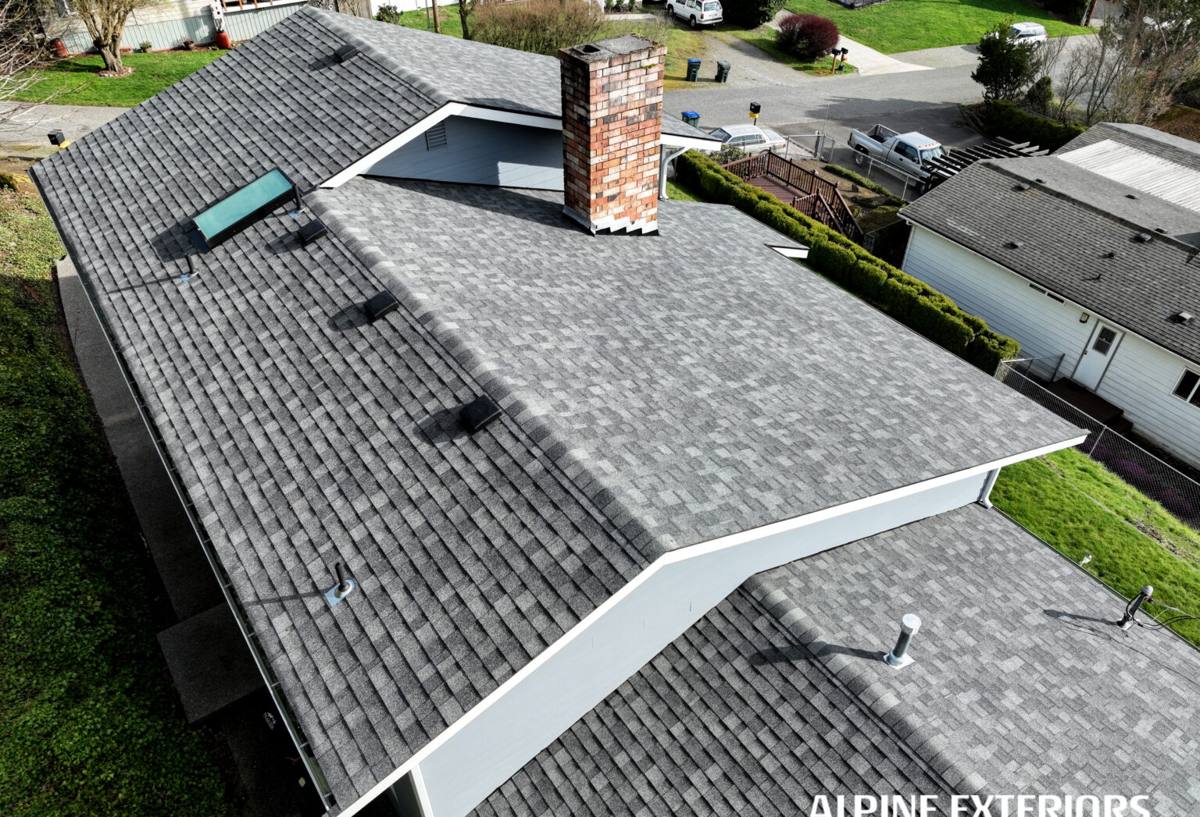
Chimney flashing, plumbing vent boots, skylight curbs, and wall-to-roof transitions are where the majority of "mystery leaks" actually originate. Rubber vent boot collars in particular degrade from UV exposure and are a very common source of slow, hard-to-trace leaks.
What a Correct Roof Repair Actually Involves
A proper repair is more than caulking over a visible gap. Our process on a typical Southgate repair includes:
- A full roof inspection, not just a spot check at the reported leak location, since wind and water can move a problem several feet from where it shows up inside.
- Checking the decking underneath damaged shingles or tile for soft spots, rot, or water staining before any new material goes down.
- Matching replacement shingles or tile as closely as possible in style, profile, and color to minimize the patchwork look.
- Rebuilding flashing and sealant joints to code-appropriate standards rather than simply re-caulking over old material.
- Confirming proper fastening patterns, since wind-related failures are frequently a fastener problem as much as a material problem.
- A cleanup pass so no loose nails, old shingle fragments, or tile shards are left in gutters or on the ground.
Skipping steps like decking inspection or proper flashing rebuild is how a "fixed" leak reappears at the next heavy rain.
Our Southgate Roof Repair Process
We keep the process straightforward because homeowners dealing with an active leak don't need extra complexity added on top of it:
- Contact and scheduling: You describe the issue — a ceiling stain, missing shingles after a storm, a known soft spot — and we schedule a visit.
- On-site inspection: We assess the roof from both the surface and, where accessible, the attic side to trace the actual water path.
- Written explanation and estimate: You get a plain-language explanation of what's wrong, what it will take to fix it correctly, and a cost estimate before any work starts.
- Repair work: Most single-area repairs are completed in a day, weather permitting. Larger multi-section repairs may take longer.
- Final walkthrough: We show you what was repaired and what to keep an eye on going forward.
Repair vs. Replacement: How We Decide
Not every roof problem needs a full replacement, but not every leak should be patched indefinitely either. Here's how we generally weigh the decision:
| Factor | Favors Repair | Favors Replacement |
|---|---|---|
| Age of roof | Under 15-18 years (material dependent) | Approaching or past expected lifespan |
| Extent of damage | Isolated to one section or penetration | Widespread across multiple roof planes |
| Underlayment condition | Still intact and pliable | Brittle, torn, or failing broadly |
| Decking condition | Solid, no rot found | Soft spots or rot found in multiple areas |
| Repair history | First or second repair on this roof | Repeated repairs to the same or nearby areas |
We'll always tell you honestly which side of that line your roof falls on. A repair that's clearly a short-term patch on a roof near the end of its life isn't a good use of your money, and we'll say so.
Roofing Materials Around Southgate
Southgate has a mix of asphalt shingle, tile, and metal roofing, plus flat sections on additions and lanais. Repair technique differs by material:
- Asphalt shingle: Generally the most straightforward to repair section-by-section, provided matching shingles are available and the underlying decking is sound.
- Concrete or clay tile: Repairs require care not to crack surrounding tiles during the work, and often involve underlayment replacement rather than just swapping tiles.
- Metal panel: Usually holds up well against wind and salt air when properly fastened and sealed, but seam and fastener repairs need to match the existing panel profile.
- Flat/low-slope membrane: Repairs focus on seam integrity and drainage — a patch that doesn't address why water was sitting there in the first place tends to fail again.
Cost Factors for Roof Repair
Repair cost varies based on several factors more than any single "price per square foot" number can capture:
| Factor | Why It Matters |
|---|---|
| Size of damaged area | A single missing shingle costs far less to address than an entire wind-damaged slope |
| Material type | Tile and metal repairs generally take more time and specialized handling than shingle |
| Roof accessibility | Steep pitches, multiple stories, or landscaping obstacles affect labor time |
| Decking condition | Rotted decking discovered during repair adds material and labor beyond the original scope |
| Storm demand | Repair timelines and material availability can shift after a regional storm event |
We provide a specific number after inspection, not a guess over the phone — roof problems vary too much for a phone estimate to be honest.
Why Hiring a Crew That Already Works Southgate Matters
A roofer who's worked in Southgate and similar Bradenton-area neighborhoods knows the typical roof ages, common construction styles, and how local storm patterns tend to affect homes here. That familiarity shows up in practical ways: knowing which flashing details tend to fail first on homes of a certain age, understanding how salt air exposure differs even a few miles inland, and having a realistic sense of how quickly wind damage needs to be addressed before secondary water damage sets in.
It also matters for follow-through. A local crew is accountable to the same community they're working in — if a repair doesn't hold up, they're not far away and hard to reach. That accountability is worth more than a lower bid from an out-of-area company that won't be around after the invoice is paid.
Between-Repair Maintenance Checklist
Regular attention between repairs helps catch small issues before they become leaks. Homeowners in Southgate should periodically check for:
- Missing, cracked, or curled shingles after any significant windstorm
- Debris buildup in valleys, around chimneys, or against roof-to-wall transitions
- Granules collecting in gutters, which can signal accelerating shingle wear
- Soft or discolored ceiling spots, especially after heavy rain events
- Cracked or brittle vent boot collars visible from the ground or attic
- Standing water on flat or low-slope sections more than a day after rain
- Loose or lifted tile after high wind
Catching these early is almost always cheaper and less disruptive than waiting for an active leak to force the issue.
If you're dealing with a leak, storm damage, or just want an honest opinion on a roof section that's been on your mind, we're glad to take a look. Reach out for a free, no-pressure estimate using the form below — we'll tell you plainly what we find and what it would take to fix it right.