 Bradenton Window
 Siding Repair in Southgate: Built for Manatee County's Weather
Southgate is an established residential pocket of the greater Bradenton area, and like most Manatee County neighborhoods, its homes take a beating from the outside in. Siding here isn't just cosmetic — it's the first line of defense against hurricane-force winds, wind-driven rain, relentless year-round UV, and the salt-laden air that rolls in off the Gulf and surrounding waterways. When siding starts to fail, it rarely fails all at once. It shows up first as a warped board, a hairline crack, a section that's pulled loose from a soffit, or paint that's chalking faster than it should. Catching those signs early and repairing them correctly is almost always cheaper and less disruptive than waiting until the damage spreads to the sheathing and framing underneath.
This page is specifically about siding repair for homes in and around Southgate — not a full-replacement pitch, not a generic overview. If your siding is fundamentally sound but has isolated damage, storm impact, or age-related wear, this is what an honest repair job looks like and what to expect from a crew that actually knows this part of Bradenton.
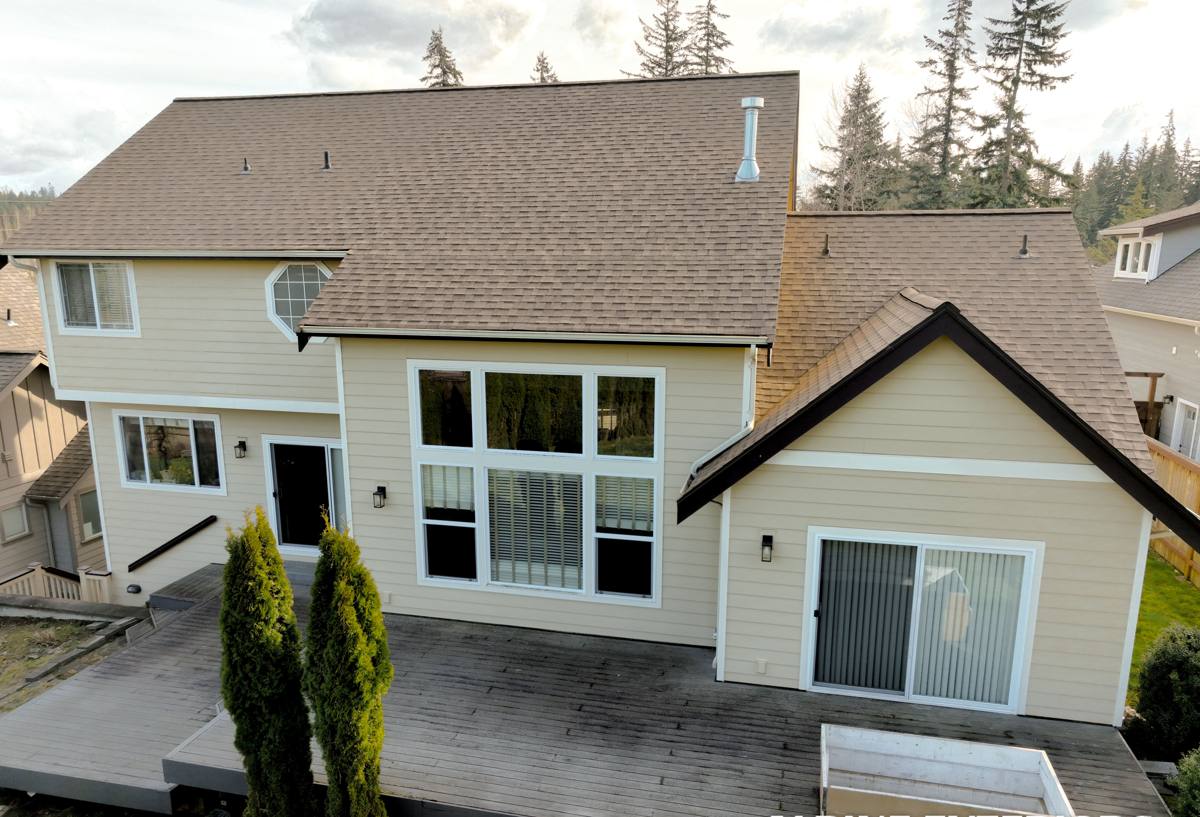
What Southgate's Climate Does to Siding Over Time
Sun and Heat
Florida's UV load is intense almost every month of the year. Paint films break down faster here than in most of the country, and materials that aren't engineered for this exposure — untreated wood, some engineered wood products, lower-grade vinyl — can fade, chalk, or become brittle well ahead of their expected service life.
Wind-Driven Rain and Moisture
It's rarely straight-down rain that causes siding problems. Wind-driven rain gets pushed sideways into seams, laps, and fastener points that were never designed to shed water from that angle. Once moisture works past the outer surface, it can sit against the wall assembly and cause rot, mold, or fastener corrosion long before anything looks wrong from the street.
Salt Air
Southgate's proximity to Tampa Bay and the Gulf means airborne salt is a constant, low-grade stressor on exterior materials. Salt accelerates corrosion of fasteners and metal trim, and it can speed up the breakdown of finishes that weren't formulated to resist it.
Storm and Wind Impact
Even when a hurricane doesn't make a direct hit, tropical storms and seasonal wind events routinely bring gusts strong enough to lift loose panels, drive debris into walls, and stress fastening systems. Repeated wind-loading over the years, not just one big storm, is what eventually exposes weak points in a siding installation.
Signs a Southgate Home Needs Siding Repair
Most siding repair calls start with one of these observations. If you're seeing any of the following, it's worth having it looked at before the next storm season rather than after:
- Warping, buckling, or visible gaps between siding panels or boards
- Cracked, split, or chipped sections, especially near corners and window trim
- Soft or spongy spots when pressed, which usually indicate moisture behind the surface
- Paint that's peeling, bubbling, or chalking heavily when you run a hand across it
- Visible rust streaks around fasteners or metal flashing
- Loose panels that move or rattle in the wind
- Discoloration or dark staining that keeps returning even after cleaning
- Gaps or separation at seams, corners, or where siding meets windows and doors
Repair or Replace? How We Make That Call
Not every damaged section means the whole wall needs to come off. A honest contractor tells you which situation you're actually in, and the difference usually comes down to how far the damage has spread and what condition the underlying structure is in.
| Situation | Usually a Repair | Usually a Replacement |
|---|---|---|
| Damage scope | Isolated to one or two sections/panels | Widespread across multiple walls or elevations |
| Sheathing condition | Solid, dry, undamaged underneath | Soft, rotted, or water-damaged sheathing found |
| Age of siding | Mid-life, otherwise performing well | Near or past its expected service life |
| Cause | Single storm impact or accidental damage | Long-term moisture intrusion or systemic failure |
| Material match | Matching product/color still available | Discontinued product or heavy fading mismatch |
We'll always tell you honestly when a repair is the right, cost-effective call — and we'll tell you just as honestly when patching a failing system is just delaying a bigger bill.
What a Correct Siding Repair Actually Involves
A siding repair that actually holds up in this climate is more than swapping a broken board for a new one. It involves a few steps that are easy to skip if a crew is rushing:
- Diagnose the real cause. Damaged siding is often a symptom, not the problem itself — a failed sealant joint, missing flashing, or a drainage issue upstream can be the actual root cause.
- Check what's underneath. Any repair that involves removing siding is a chance to inspect the sheathing, house wrap, and framing for moisture damage before it's covered back up.
- Match the material correctly. Mismatched profiles, textures, or paint sheens stand out, especially on a home with ColorPlus-finished Hardie siding where factory color consistency matters.
- Re-flash and re-seal properly. Any seam or penetration that's opened up needs to be correctly flashed and sealed to shed wind-driven rain, not just caulked over.
- Fasten to spec. Corroded or improperly spaced fasteners are a common root cause of repeat failures — replacing them correctly is part of doing the job right, not an upsell.
Our Process for Southgate Siding Repair Calls
When we come out for a repair, we're not there to find reasons to sell a full re-side. Our process is straightforward:
- On-site inspection. We look at the damaged area and the surrounding siding, not just the spot you called about, since related issues often show up nearby.
- Honest diagnosis. We explain what caused the damage, whether it's isolated or a sign of a broader problem, and what your realistic options are.
- Clear scope and pricing. You get a straightforward explanation of what work is needed and why, before anything is scheduled.
- Repair done to spec. Matching materials, correct flashing and fastening, and a finished appearance that blends with the rest of the wall.
- Follow-up guidance. If we spot something that's likely to need attention down the road, we'll tell you now rather than let it become a surprise later.
Why We Only Install James Hardie Fiber Cement When Replacement Is the Right Call
Plenty of repair jobs involve matching whatever material is already on the house, and we'll do that work correctly regardless of brand. But when a repair call turns into a conversation about replacing a full wall or section — because the damage is too widespread, the underlying material has reached the end of its service life, or the existing product simply isn't holding up to Manatee County's climate — James Hardie fiber cement is the only product we install.
We made that decision because fiber cement is non-combustible, dimensionally stable in heat and humidity swings, and holds up to wind-driven rain and salt air better than the wood-based and vinyl alternatives we used to see fail early in this climate. Hardie's ColorPlus factory finish is baked on and warrantied against fading and peeling, which matters enormously in a place with this much year-round sun. Its HZ5 product line is specifically engineered for hot, humid, high-moisture climates like ours. We don't say this to knock every other product on the market — vinyl and engineered wood siding have their place — but for the sun, salt, and storm exposure Southgate homes deal with, Hardie has consistently been the product that holds up when installed correctly, backed by a strong transferable warranty.
Why It Matters to Hire a Crew That Already Works in Southgate
Siding repair isn't a one-size-fits-all trade. A crew that regularly works in Southgate and the surrounding Bradenton area understands the specific stresses local homes face — the wind exposure, the moisture patterns, the way salt air accelerates wear on fasteners and finishes — instead of applying a generic approach that might work fine somewhere with a milder climate. Local experience also means faster, more accurate diagnosis: recognizing the difference between cosmetic weathering and a real moisture problem takes having seen it before, on homes like yours, in this exact climate. It also means being available and accountable after the job is done, not a crew that drove in from out of the area for one job and is hard to reach if a question comes up later.
What Affects the Cost of a Siding Repair
Every home and every repair is different, but the main cost drivers for a Southgate siding repair are consistent. Rather than quote a number that won't reflect your actual situation, here's what actually moves the price:
| Factor | Why It Matters |
|---|---|
| Extent of damage | A single panel repair costs far less than repairing several sections across multiple walls |
| Underlying wall condition | Rotted or water-damaged sheathing adds labor and material beyond the visible siding itself |
| Material match availability | Matching an older or discontinued siding profile and color can take more time to source correctly |
| Access and height | Second-story sections, tight side yards, or obstructed access add labor time |
| Root-cause fixes | Correcting flashing, sealant, or drainage issues behind the siding adds scope but prevents repeat failures |
We'll walk through these factors with you on-site so the estimate reflects your home specifically, not a generic average.
Get an Honest Look Before the Next Storm Season
If you've noticed warping, cracking, loose panels, or moisture damage on your Southgate home's siding, it's worth having it evaluated now rather than waiting for the next round of wind and rain to make the problem worse. We offer a free, no-pressure estimate — we'll tell you plainly whether you're looking at a straightforward repair or something bigger, and why.