 Bradenton Window
 Anna Maria Island Roofs Take a Different Kind of Beating
Anna Maria Island sits out on the Gulf, exposed in a way that homes further inland in Bradenton simply aren't. The wind comes off open water with nothing to slow it down, salt air works on every exposed metal fastener and flashing seam year-round, and the sun here is intense enough to break down roofing materials faster than manufacturers' own aging charts usually predict. Add in wind-driven rain during tropical systems — rain that gets pushed sideways under shingles and around flashing instead of just falling straight down — and you have a roof that's dealing with more stress, more often, than a typical Manatee County home even a few miles inland.
That combination is why storm damage on the island doesn't always look like storm damage. A roof can survive a hurricane's wind speeds intact to the eye and still have compromised seals, lifted fasteners, or saturated underlayment that only shows up as a leak weeks later. Repairing storm damage here isn't just patching what obviously blew off — it's understanding how salt air, UV, and wind-driven rain interact with whatever repair you make, so it actually holds up through the next system instead of failing again in a year.
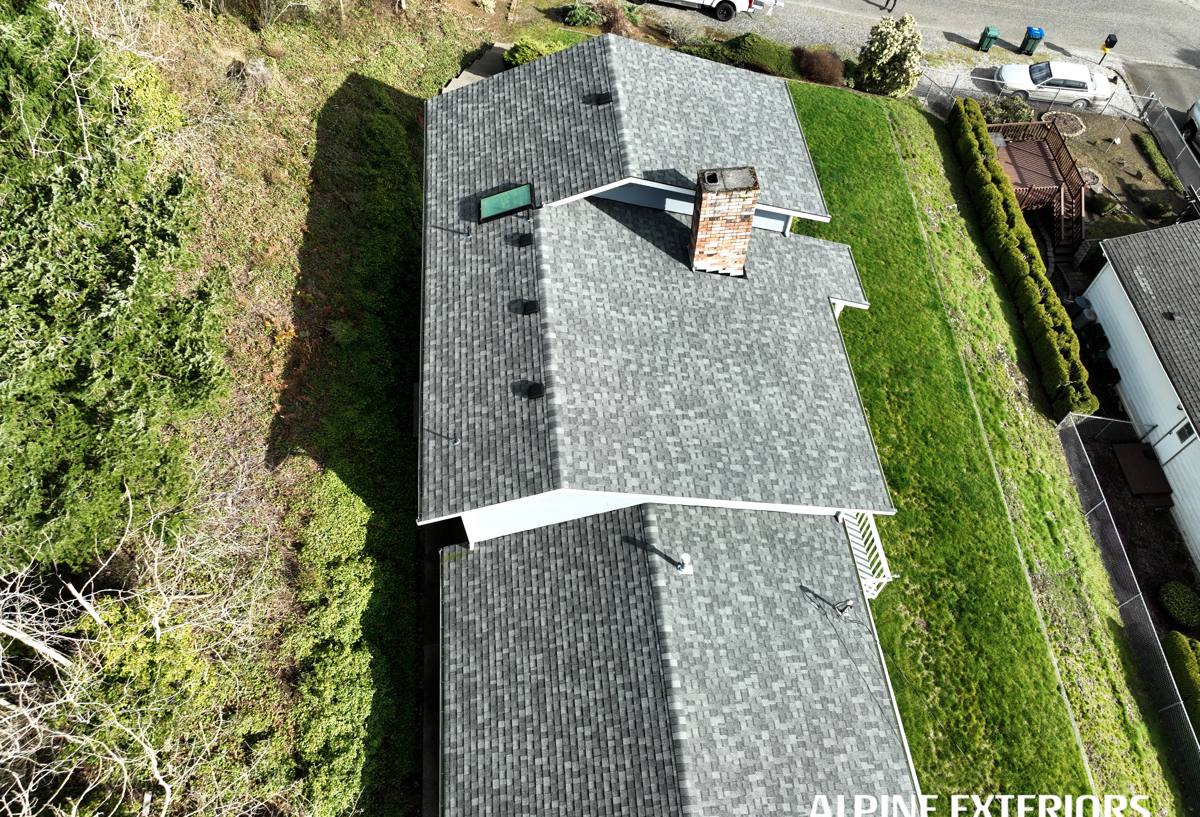
What Actually Counts as Storm Damage
The Obvious Kind
Missing or torn shingles, exposed roof decking, dented or lifted metal panels, damaged ridge caps, and visible holes are easy to spot from the ground or in a quick attic check. These get attention fast because water is actively getting in.
The Kind That Gets Missed
This is the damage that costs homeowners the most in the long run, because it doesn't get repaired until it's already caused secondary problems:
- Shingles that look intact but have lost their seal strip from wind uplift — they'll leak in the next heavy rain even though nothing looks broken
- Flashing around chimneys, skylights, and roof-to-wall transitions that's been bent or pulled loose just enough to let wind-driven rain track underneath
- Granule loss from wind and hail impact that thins the shingle's UV protection without leaving a visible hole
- Saturated or torn underlayment beneath shingles that still appear fine on the surface
- Soft spots in decking from slow leaks that started with a smaller, earlier storm nobody addressed
A proper storm damage inspection checks all of this, not just what's visible from the driveway.
Doing the Repair Right the First Time
A correct storm repair matches materials to what's already on the roof — same or compatible shingle profile, correctly lapped underlayment, and flashing detail work that follows Florida Building Code wind requirements, not just whatever's fastest. On a barrier island roof, we pay particular attention to fastener type and spacing (corrosion-resistant fasteners matter more here than almost anywhere else in the county), proper flashing integration at every penetration, and sealing details that account for wind-driven rain rather than just vertical rainfall. A patch that isn't tied into the surrounding roof system correctly can actually create a new leak point, even when the original damage is fully covered.
Permitting matters too. Manatee County and the barrier island communities within it have wind-rating and inspection requirements that apply to roof repairs, not just full replacements, depending on the scope of work. Skipping that step to save time is one of the more common corners cut by repair crews who don't normally work in this area — it can come back to bite a homeowner at resale or at the next insurance renewal.
Our Storm Damage Repair Process
- Inspection and documentation. We go up on the roof (not just a ground-level look) and document every area of damage with photos, notes on affected materials, and an honest read on what's cosmetic versus what's compromising the roof's ability to keep water out.
- Emergency mitigation if needed. If the roof is actively leaking or has exposed decking, we get it tarped or temporarily sealed right away so the damage doesn't spread while the rest of the process plays out.
- Scope and estimate. You get a clear written breakdown of what needs repair, what materials are involved, and why — no vague line items.
- Insurance coordination. If you're filing a claim, our documentation is built to hold up under an adjuster's review, and we can walk the roof with your adjuster if that's useful.
- The repair itself. Matched materials, correct flashing and underlayment work, and fastening appropriate for coastal wind exposure.
- Final walkthrough. We show you what was done and why, in plain terms, before we consider the job finished.
Matching the Repair to the Damage
Not every storm-damaged roof needs the same scope of work, and part of doing this honestly is telling you when a smaller repair is genuinely sufficient versus when it's not.
| Repair Approach | When It's the Right Call | What to Know |
|---|---|---|
| Spot repair | Damage is isolated to a small area — a few shingles, one flashing point, a single section of ridge | Fastest and least expensive, but only holds up long-term if the surrounding roof material still has useful life left |
| Section replacement | Damage is concentrated in one slope or area, or the existing material there is already near the end of its service life | Blends better with an aging roof than a small patch, and addresses underlying material fatigue in that section |
| Full re-roof | Damage is widespread, the roof is already old, or repeated storms have compounded wear across the whole surface | Higher upfront cost, but resets the clock on the whole roof rather than layering repairs on a system that's already failing |
We'll tell you honestly which category your roof falls into. Recommending a full re-roof when a section repair would genuinely do the job doesn't serve you, and neither does patching a roof that's clearly past the point where patches make sense.
Working With Your Insurance Company
Storm damage claims move faster and go smoother when the documentation is thorough from the start. We photograph and note damage before any repair work begins, which gives you and your adjuster a clear, dated record of what the storm actually did. If you're not sure whether damage is significant enough to file a claim, an inspection costs you nothing to find out.
One thing worth saying plainly: after any major storm, out-of-town crews show up on the island looking for quick contracts, often before an inspection has even happened. Our standard is the opposite — we inspect first, document honestly, and only then talk about scope and cost. A contractor who's willing to sign you up before ever setting foot on your roof isn't giving you information you can trust your insurance claim to.
Why It Matters That We Already Work on Anna Maria Island
Barrier island work has logistics that inland Bradenton jobs don't. Bridge access can bottleneck material deliveries and crew scheduling, especially right after a storm when everyone on the island needs a roof looked at around the same time. Staging space at a lot of island properties is tight, parking is limited, and a lot of homes are governed by HOA or condo association rules about what work can happen, when, and how it needs to look when it's done. A crew that already works here has that figured out before your job starts, instead of learning it on your time.
There's also a materials-knowledge piece to it. Fasteners, flashing metals, and sealants that hold up fine a few miles inland can corrode noticeably faster in direct salt air exposure. Choosing the right hardware and detailing for that environment isn't a guess for a crew that repairs roofs on the island regularly — it's just how the work gets done.
After the Storm: What to Check and What to Do
- Look for missing, torn, or curling shingles from the ground — don't climb onto the roof yourself
- Check ceilings and attic spaces for water stains, damp insulation, or new odors after any significant wind or rain event
- Note any debris impact points — tree limbs, blown debris, or hail can cause damage worth documenting even if nothing looks obviously broken
- Take photos of visible exterior damage as soon as it's safe to do so, before any cleanup
- Get a professional inspection before assuming "no visible leak" means "no damage" — hidden damage is common and gets worse if it sits
- If water is actively coming in, get temporary protection in place quickly rather than waiting for a full repair to be scheduled
If a recent storm has left you unsure whether your roof needs attention, or you already know it does, we're happy to take a look and give you a straight answer — no pressure, no obligation. Use the form below to request a free estimate, and we'll get you scheduled for an inspection.