 Bradenton Window
 Storm Damage Roof Repair for Whitfield Estates Homes
Whitfield Estates sits close enough to the water that every roof in the neighborhood earns its keep. Between tropical-system winds, sudden downpours, and salt-laden air drifting in off Sarasota Bay, roofs here take a different kind of beating than roofs twenty miles inland. When a storm passes through and leaves shingles in the yard, a soft spot on the ceiling, or just a nagging feeling that something isn't right up top, you need a repair that addresses what actually happened to the roof — not a quick patch that looks fine from the driveway but leaves the underlying problem in place.
We repair storm-damaged roofs throughout the Bradenton area, and Whitfield Estates is part of our regular route. That matters more than it sounds like it should, and we'll explain why further down.
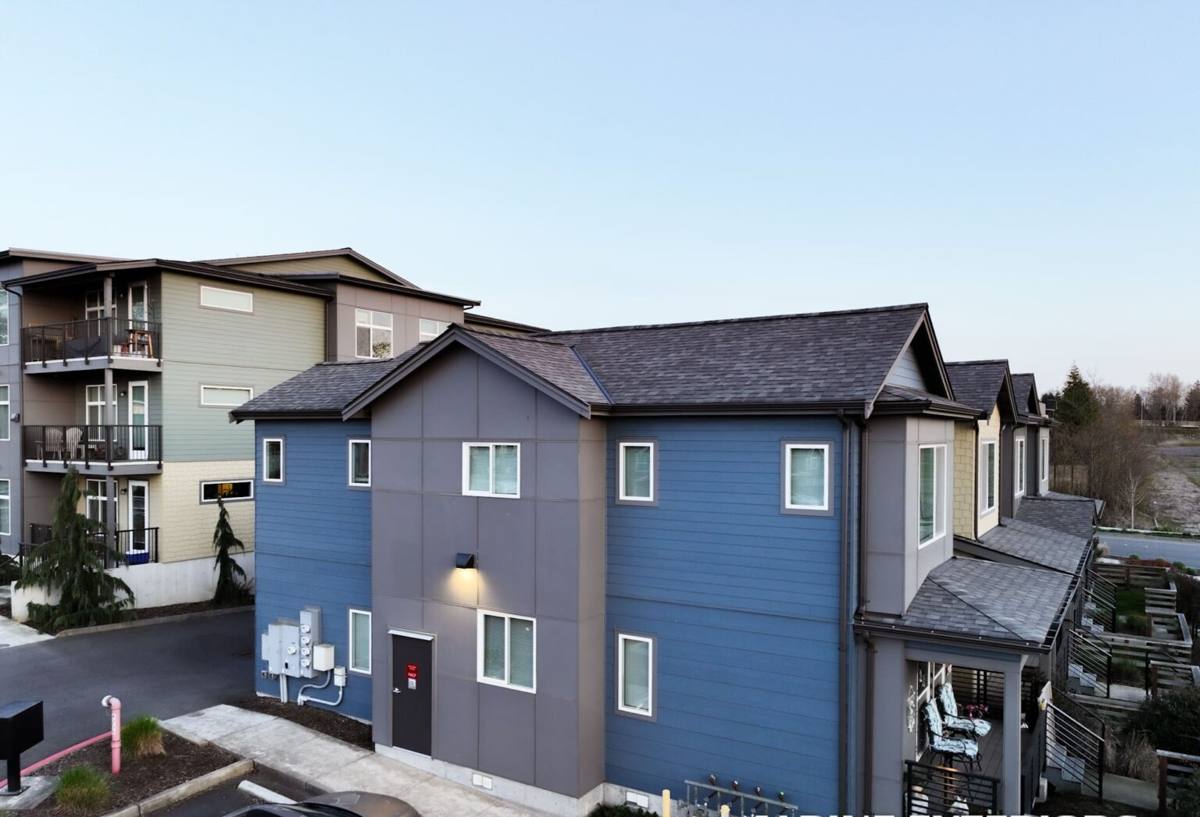
What Makes Storm Damage Here Different
Manatee County roofs face a combination of stresses that don't all show up the same way, and understanding which one caused your damage changes how it should be repaired.
Wind
Hurricane-force gusts don't just rip shingles off — they get up underneath tab edges and flashing, breaking the seal even on shingles that look intact afterward. A roof can lose its wind resistance in a spot you'd never notice just by walking the yard and looking up.
Wind-Driven Rain
Florida storms rarely drop rain straight down. When wind pushes rain sideways, it finds every gap in flashing, every lifted shingle tab, and every aging pipe boot, and drives water uphill under the roofing material instead of running off it. This is how a roof that "held up fine" during the storm ends up with a water stain on the ceiling three days later.
Year-Round UV and Salt Air
Between storms, the sun and the salt keep working. UV exposure dries out asphalt shingles and breaks down sealant strips over time, and salt air accelerates corrosion on exposed fasteners and metal flashing. A roof that's already a few years into that slow breakdown has far less reserve strength left when a storm hits — which is exactly why two houses on the same street can take the same storm and end up with very different damage.
What Storm Damage Actually Looks Like
Some damage is obvious. A lot of it isn't, which is the whole reason a proper inspection matters more than a glance from the ground.
Obvious Signs
- Missing, cracked, or curled shingles
- Torn or lifted flashing around chimneys, vents, or roof-to-wall joints
- Visible dents or punctures from wind-blown debris
- Granules collecting in gutters or downspouts
- Sagging areas or a roofline that looks uneven
Signs You Won't See From the Ground
- Broken shingle seals that leave tabs vulnerable to the next wind event
- Soaked or compromised underlayment beneath shingles that still look intact
- Wet or softening roof decking, especially around penetrations
- Nail heads backed out just enough to break the shingle seal
- Early staining in the attic that hasn't reached the ceiling yet
This is why an honest storm damage assessment always includes time on the roof itself and, when accessible, a look in the attic — not just a walk-around from the yard.
What a Correct Repair Involves
A storm damage repair that's done right isn't just "put new shingles where the old ones went missing." It follows a sequence:
- Stabilize. If there's an active leak or exposed decking, that gets tarped or dried in immediately so no more water gets in while the rest of the plan comes together.
- Inspect the deck, not just the surface. Any wet or soft decking underneath the damaged area needs to be identified and replaced. Laying new shingles over compromised decking is how a "repair" turns into a bigger problem within a year or two.
- Check flashing and penetrations. Flashing around chimneys, skylights, plumbing vents, and roof-to-wall transitions is a common failure point in wind-driven rain and should be inspected every time, whether or not it looks damaged.
- Replace underlayment where it's compromised. Underlayment is the roof's real waterproofing layer. If it's torn or saturated, patching over it doesn't solve the leak.
- Match materials correctly. New shingles, flashing, and fasteners need to match the existing roof's profile, color, and fastening pattern closely enough that the repair performs — and looks — like part of the original roof, not a patch.
- Reseal and verify. Every replaced shingle needs its seal strip properly engaged, and every penetration needs to be checked for a clean, weathertight seal before we call the job finished.
Repair or Replace? What Actually Drives That Decision
Not every storm-damaged roof needs a full replacement, and not every roof can be safely patched. The honest answer depends on a few concrete factors.
| Factor | Favors Repair | Favors Replacement |
|---|---|---|
| Extent of damage | Localized to one section or slope | Scattered across multiple areas of the roof |
| Age of roof | Roof is in the earlier half of its expected lifespan | Roof is already near the end of its service life |
| Decking condition | Decking is dry and sound | Widespread rot or repeated soft spots found |
| Shingle availability | Matching shingles are still obtainable | Existing shingle line is discontinued or badly faded |
| Storm history | First significant damage in several years | Repeated storm damage in recent seasons |
We'll walk you through where your roof actually falls on these points rather than defaulting to whichever answer is easier to sell — a well-executed repair on a sound roof is the right call far more often than not.
Insurance and Documentation
Most storm damage repairs in this area involve an insurance claim at some point, and how the damage is documented matters. We photograph and describe the damage in plain terms before any repair work begins, so there's a clear record of what the storm actually did versus what was there before. That documentation is yours to use with your adjuster or insurer — we're not a public adjuster and we don't negotiate your claim for you, but we make sure the roof-side facts are recorded accurately from the start.
Our Process, Start to Finish
- Call or request an estimate. Tell us what you're seeing — missing shingles, a stain, debris on the roof.
- On-site inspection. We get on the roof (and in the attic when accessible) to find the actual source and extent of the damage.
- Written scope and estimate. You get a clear explanation of what's damaged, what needs to happen, and what it costs — no surprise add-ons mid-job.
- Temporary protection if needed. Active leaks get tarped the same visit if conditions allow.
- Repair work. Decking, underlayment, flashing, and shingles addressed in that order, matched to your existing roof.
- Final walkthrough. We show you what was done and confirm everything is sealed and secure before we consider the job complete.
Why Local Experience in Whitfield Estates Matters
A roofing crew that works Whitfield Estates regularly already knows the general housing stock in the area, what shingle profiles and flashing details tend to show up on homes here, and how the neighborhood's proximity to Sarasota Bay and its salt air tends to accelerate wear compared to roofs further inland. That familiarity means fewer surprises once we're actually on the roof, faster sourcing of matching materials, and a repair that's built around how homes in this specific part of Bradenton actually take a storm — not a generic checklist applied the same way everywhere in the county.
It also means we're not learning the neighborhood on your job. We can talk plainly about what we typically find on homes of a given age or roof type in this area, because we've already seen it more than once.
What to Do Right After a Storm
- Look for debris, missing shingles, or granules in gutters from the ground — don't get on the roof yourself
- Check ceilings and closets for new staining or damp spots
- Take photos of any visible exterior damage before cleanup starts
- Cover any active leak from the inside with a bucket or tarp to limit interior damage
- Call for an inspection promptly — hidden damage left unaddressed tends to get worse with the next rain, not better
If your roof took a hit in the last storm — or you're just not sure and want a professional set of eyes on it — we're happy to come take a look. Fill out the form below for a free, no-pressure estimate on storm damage repair for your Whitfield Estates home.