 Bradenton Window
 Tara is one of Bradenton's established residential communities, and like the rest of Manatee County, its homes sit under a roof that works hard year-round. Between hurricane-force wind events, relentless UV exposure, wind-driven rain, and the salt air that drifts inland from Sarasota Bay and the Gulf, an asphalt shingle roof in Tara has a shorter, harder life than the same roof would have almost anywhere further north. We install and repair asphalt shingle roofing throughout Tara, and this page walks through what actually matters for a roof in this specific pocket of Bradenton — not generic roofing advice, but what we've learned installing and inspecting shingle roofs in this climate.
Why Tara's Climate Is Hard on Shingle Roofs
Asphalt shingles are a proven, cost-effective roofing material, but they were not originally engineered with Florida's climate in mind — the modern products sold today have closed that gap substantially, provided they're rated and installed correctly for this region. Four things do most of the damage to a shingle roof in Tara:
- Wind uplift. Tara sits inland enough to avoid direct coastal surge, but it still takes the full force of tropical storm and hurricane winds moving across the county. Shingles rated for lower wind zones, or installed with a standard nailing pattern instead of a high-wind pattern, lift and peel long before the rest of the roof shows wear.
- UV degradation. Florida sun is intense and constant. UV breaks down the asphalt binder in shingles over time, which is why granule loss, brittleness, and premature aging show up here years earlier than in northern states — even on a well-installed roof.
- Wind-driven rain. It's not just how much it rains, but how the wind pushes rain sideways and up under shingle edges, ridge caps, and flashing during storms. A roof that would shed water fine in a straight downpour can leak badly in a wind-driven one if the underlayment and flashing details weren't done right.
- Salt air. Tara isn't beachfront, but Manatee County's proximity to the Gulf and Tampa Bay means airborne salt still reaches inland neighborhoods and accelerates corrosion on exposed metal — nail heads, flashing, vent stacks, and drip edge.
None of these factors are a reason to avoid asphalt shingles. They're a reason to make sure the product, the underlayment system, and the installation details are matched to Bradenton's climate rather than a generic build.
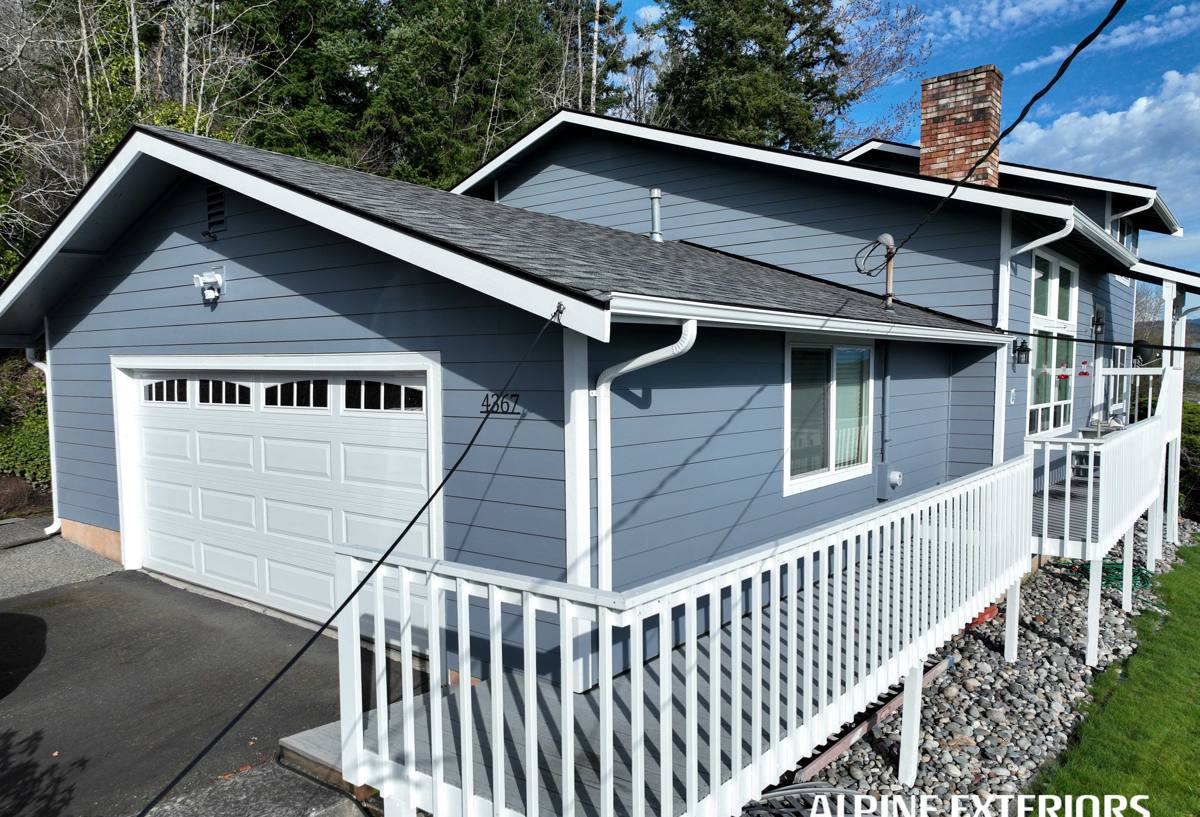
What a Correct Shingle Roof Looks Like in This Climate
Wind-Rated Shingles and Nailing
We install architectural (laminated) shingles rated for high-wind zones, matched to Florida Building Code requirements for Manatee County. Wind rating on paper only matters if the nailing pattern backs it up — six-nail patterns in the correct zone of the shingle, driven flush (not overdriven, not underdriven), are what actually keep a roof intact when gusts hit 100+ mph. This is one of the most common shortcuts we find on older Tara roofs during inspections.
A Real Underlayment System
A shingle is the visible layer, but the underlayment underneath is what actually keeps a house dry during wind-driven rain. For Tara roofs, that means a synthetic or self-adhering underlayment across the full deck, with self-adhering ice-and-water-shield-type membrane (used here for wind-driven rain protection, not ice) at vulnerable points: eaves, valleys, roof-to-wall transitions, and around penetrations. This is the layer that matters most when a storm pushes rain sideways under the shingle tabs.
Flashing and Metal Details
Because of the salt-air corrosion factor, we pay close attention to the metal on a roof — drip edge, valley flashing, step flashing at walls and chimneys, and vent boots. Cheap or mismatched metal corrodes and fails years before the shingles do, and a leak at a flashing point often gets blamed on the shingles when the real problem is the metal underneath.
Ventilation
Attic ventilation is easy to overlook and expensive to ignore. Poor airflow traps heat and humidity under the deck, which shortens shingle life from underneath and can void manufacturer warranties. A correctly balanced intake-and-exhaust system (soffit vents paired with ridge or box vents) keeps attic temperatures and moisture in check, which matters more in Bradenton's heat and humidity than in most parts of the country.
Comparing Common Roofing Choices for Tara Homes
| Factor | Standard 3-Tab Shingle | Architectural (Laminated) Shingle | Metal Roofing |
|---|---|---|---|
| Typical wind rating | Lower (often 60–70 mph as manufactured) | Higher, with high-wind-rated lines built for 110–130 mph when installed to spec | Highest, generally |
| Upfront cost | Lowest | Moderate | Highest |
| Expected lifespan in this climate | Shorter | Longer, with proper ventilation and maintenance | Longest |
| Appearance | Flat, uniform | Dimensional, shadow-line look | Distinct, modern or standing-seam profile |
| Salt-air resilience | Fair | Good with quality flashing | Depends on metal type and coating |
For most Tara homeowners, architectural shingles rated for high wind are the right balance of cost, durability, and appearance for this climate. We generally steer clients away from standard 3-tab product for this region — not because it's a bad product everywhere, but because its lower wind rating and thinner profile are a poor match for what Manatee County roofs actually go through.
Our Process for a Tara Roofing Job
Whether it's a full replacement or a repair, our process is the same on every roof:
- Inspection. We get on the roof (or use a drone where access is limited) and check the deck, existing flashing, ventilation, and any problem areas before quoting anything.
- Honest scope. We tell you what's actually needed — full replacement, partial repair, or targeted flashing/ventilation fixes — and explain why, in plain terms.
- Deck check. On replacements, we inspect the decking once old material is off and address any soft or damaged sheathing before new underlayment goes down. This isn't an upsell tactic; it's the step that determines whether the rest of the roof will actually hold up.
- Underlayment and flashing first. The waterproofing layer and metal work go in correctly before a single shingle is laid.
- Shingle installation to high-wind spec. Correct nailing pattern, correct exposure, correct starter and ridge details.
- Final walkthrough. We review the finished job with you, including ventilation and any warranty paperwork.
Why a Crew That Already Works Tara Matters
Roofing crews unfamiliar with Manatee County sometimes default to build practices from regions with milder weather — lighter nailing patterns, minimal underlayment, standard flashing instead of corrosion-resistant metal. Those shortcuts don't show up as problems on day one. They show up two or three years later, after the first serious wind event or after granule loss and rusted flashing tell the real story. A crew that regularly works in Tara and the surrounding Bradenton area already knows the county's wind zone requirements, the permitting process, and which details actually matter here versus which are optional elsewhere. That familiarity is worth something you can't easily get from a crew passing through.
Signs Your Tara Roof May Need Attention
- Granules collecting in gutters or at downspout outlets
- Shingles that look curled, cupped, or lifted at the edges
- Visible cracking or bald (granule-stripped) patches, especially on south- and west-facing slopes
- Rust streaking below vent stacks or flashing points
- Daylight visible through the attic deck, or musty odor in the attic
- Missing shingles or exposed nail heads after a storm
- Ceiling stains, especially near chimneys, skylights, or wall transitions
Catching these early is almost always cheaper than waiting. A small flashing leak or a handful of lifted shingles is a repair; the same issue left through another storm season can become a deck replacement.
Maintenance That Actually Extends Roof Life Here
Asphalt shingle roofs in Bradenton benefit from a bit more attention than the same roof would need in a drier, milder climate. A once- or twice-yearly visual check (or a post-storm check after any significant wind event), keeping gutters and valleys clear of debris, trimming back overhanging branches, and addressing small flashing or sealant issues before they become leaks all add real years to a roof's service life in this environment. None of it requires a major investment — it's mostly about not letting small issues sit through another hurricane season.
Get an Honest Look at Your Tara Roof
If you're dealing with an aging roof, storm damage, or you're just not sure what condition your shingles are in, we're happy to take a look. We'll give you a straightforward assessment — what's fine, what needs attention now, and what can wait — with no pressure either way. Reach out using the form below for a free estimate on your Tara home.