 Bradenton Window
 Siding Built for the Way Tara Actually Weathers
Tara is a well-established residential community on the east side of Bradenton, and homes here face the same climate stresses as the rest of Manatee County: long stretches of intense sun, sudden tropical downpours driven sideways by wind, and the corrosive edge of salt air that travels further inland than most homeowners realize. Siding in this area isn't just a cosmetic layer. It's the first line of defense between the wood framing of a house and a climate that works against it 365 days a year.
When we talk about siding installation for Tara homes specifically, we're talking about matching the product, the installation detail, and the fastening schedule to what this exact part of Florida throws at a house. A siding job that would hold up fine in a mild inland climate can fail here in a fraction of the time if it isn't specified and installed correctly.
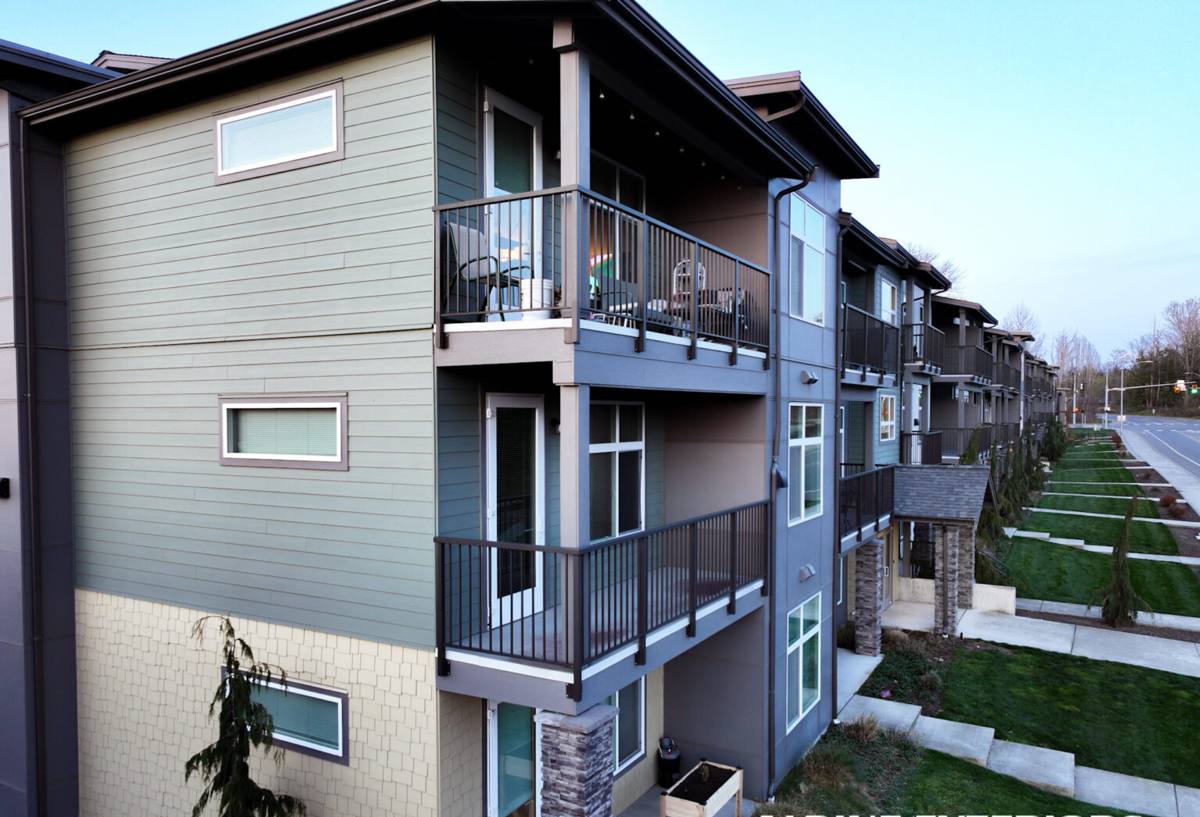
What Bradenton's Climate Actually Does to Siding
UV and Heat
Florida sun is relentless. Cheaper siding materials and factory finishes that aren't built for this UV load will fade, chalk, or become brittle years before their rated lifespan. Constant heat cycling — hot afternoons followed by evening thunderstorms — also stresses seams, caulking, and any material with a tendency to expand and contract.
Wind-Driven Rain
Manatee County doesn't just get rain, it gets rain pushed horizontally into the side of a house during storms. That means water is being forced up under laps, into seams, and against fastener points in a way that vertical rain never tests. Siding systems that rely on face-sealing rather than proper drainage behind the cladding tend to trap moisture instead of shedding it.
Hurricane-Force Wind Loads
Bradenton sits in a wind zone where siding has to be engineered and fastened to resist real uplift and pressure, not just installed to look right. Fastener spacing, nail penetration into structural sheathing, and the product's own wind rating all matter during a named storm — and they matter during the everyday gusts that hit a home dozens of times a year, which is what actually causes long-term loosening and failure.
Salt Air
While Tara isn't directly on the water, Bradenton's proximity to Tampa Bay and the Gulf means airborne salt reaches homes well inland, accelerating corrosion of fasteners, trim, and any metal components in a siding assembly. Over years, that corrosion is often what causes visible staining, streaking, and premature hardware failure — long before the siding material itself would otherwise need replacing.
Why We Install Only James Hardie Fiber Cement Siding
We made a deliberate decision as a company to install James Hardie fiber cement siding exclusively. We don't install vinyl, LP SmartSide, Cemplank, Allura, or primed wood siding like spruce or cedar. That's not a marketing position — it's a standard we hold because of what we've seen these products do, and not do, in exactly this climate.
Vinyl siding is affordable and easy to install, but it's a thin plastic product that softens and warps in extreme heat, becomes brittle in cold snaps, and has a wind rating that's frequently lower than what a coastal Florida home should carry. Engineered wood products like LP SmartSide perform reasonably well in drier climates, but wood-based substrates are inherently more vulnerable to the kind of sustained moisture exposure Bradenton delivers — if water gets past a seam or a poorly sealed cut edge, the core material can swell and deteriorate from the inside out. Primed spruce and cedar require an ongoing paint and caulk maintenance schedule that most homeowners underestimate, and any lapse in that maintenance shortens the material's life significantly in a humid, sun-heavy environment.
James Hardie fiber cement siding is non-combustible, dimensionally stable, and specifically engineered with an HZ5 product line built for hot, humid, storm-prone climates like ours. It doesn't rot, it resists pest damage, and its ColorPlus factory-baked finish is formulated to hold color and resist UV fade far longer than field-applied paint. It also carries a strong, transferable warranty — but that warranty is only as good as the installation behind it, which is where the details below matter as much as the product choice itself.
What a Correct Siding Installation Actually Involves
Fiber cement siding is only as good as the assembly it's installed into. A correct installation on a Tara home involves several layers working together, not just boards nailed to a wall:
- Water-resistive barrier: A properly lapped and taped house wrap or building paper behind the siding, installed so any water that does get past the cladding drains down and out rather than pooling against the sheathing.
- Flashing at every penetration: Windows, doors, vents, and any wall penetration need correctly integrated flashing so wind-driven rain can't work its way behind the siding at those vulnerable points.
- Proper clearances: Manufacturer-specified gaps at the bottom of the siding above roof lines, decks, and grade, so water doesn't wick up into the material or sit against it.
- Correct fastener type, spacing, and penetration: Corrosion-resistant fasteners driven into structural framing at the spacing required for our wind zone — not just enough nails to hold the board up, but enough to meet the engineered wind rating.
- Manufacturer-specified caulking and sealant at seams and trim, using products compatible with fiber cement and Florida's UV and humidity conditions.
- Correct joint treatment at butt joints and corners so those are the strongest points in the wall rather than the weakest.
Skip any one of these and you can end up with siding that looks fine for a season or two but fails at the seams, corners, or fastener points years before it should — problems that are far more expensive to correct after the fact than to install correctly the first time.
Our Process, From First Look to Final Walkthrough
For a Tara siding installation, our process generally looks like this:
- On-site assessment: We look at the existing siding or substrate, check for hidden moisture damage, and evaluate the home's exposure — corner lots and homes with less wind buffering from neighboring structures or landscaping often need extra attention at high-wind-load areas.
- Product and profile selection: We walk through James Hardie's plank, panel, and shingle profiles and color options so the finished look fits the home and the surrounding streetscape.
- Detailed written estimate: Scope, materials, and timeline laid out clearly before any work begins — no surprise change orders for things that should have been identified up front.
- Permitting: We pull the required Manatee County building permit and make sure the installation meets current wind-load and building code requirements for this area.
- Tear-off and substrate check: Removal of old siding where applicable, with a check of the sheathing underneath for any moisture or rot damage that needs to be addressed before new siding goes on — covering a compromised substrate just locks the problem in.
- Weather barrier, flashing, and installation: Installed to manufacturer specification and our own fastening standard for this wind zone, not the manufacturer's bare minimum.
- Trim, caulking, and paint touch-up as needed, then a final walkthrough with the homeowner before we consider the job complete.
Comparing Siding Options for a Tara Home
Homeowners researching siding often come across several product categories. Here's an honest comparison of how they hold up against Bradenton's specific climate demands:
| Siding Type | UV/Fade Resistance | Moisture Behavior | Wind Performance | Maintenance |
|---|---|---|---|---|
| James Hardie Fiber Cement | Strong — factory ColorPlus finish | Non-combustible, doesn't rot; engineered for humid climates | High, HZ5 line rated for storm-prone regions | Low — no repainting cycle required |
| Vinyl | Moderate — can fade and chalk in intense sun | Doesn't rot, but can warp or crack in heat swings | Lower wind ratings on many profiles | Low, but limited repair options once damaged |
| LP SmartSide (Engineered Wood) | Depends on field-applied finish | Wood-based core vulnerable to sustained moisture intrusion | Moderate, installation-sensitive | Moderate — finish maintenance matters |
| Primed Spruce / Cedar | Requires repainting on a schedule | Prone to rot and moisture damage without diligent upkeep | Moderate, highly installation-sensitive | High — ongoing paint and caulk cycle |
This isn't a knock on every other product across the board — it's a summary of the trade-offs that led us to standardize on one system we can install, warranty, and stand behind with confidence in this specific climate.
Signs a Tara Home May Need New Siding
Siding damage doesn't always announce itself with an obvious crack or gap. Watch for these signs, especially after storm season:
- Visible warping, buckling, or waviness along a wall plane
- Soft or spongy spots when pressed, which can indicate moisture behind the siding
- Persistent staining or streaking, particularly near seams, corners, or fastener points
- Cracked, peeling, or bubbling paint that keeps returning despite repainting
- Visible gaps opening up at butt joints or around trim and window edges
- A musty smell or discoloration on interior walls that back up to exterior siding
- Siding that's noticeably faded or chalky compared to when it was installed
- Higher-than-expected cooling bills, which can point to compromised insulation behind failing siding
Any one of these on its own might be minor. Several together, especially after a season of heavy wind and rain, usually means it's time for a closer inspection rather than another round of patching.
Why It Matters to Hire a Crew That Already Works in Tara
Siding installation is local work in a way that's easy to underestimate. A crew that regularly works in Tara and the surrounding Bradenton neighborhoods already understands Manatee County's permitting process, the wind-load requirements that apply to this area, and the way local HOA architectural guidelines tend to handle exterior material and color changes. That familiarity translates directly into fewer delays and fewer surprises during the permitting and approval steps of a project.
Local experience also means a crew has actually seen how different siding installations in this specific climate hold up over time — which fastening approaches age well, which flashing details actually keep wind-driven rain out during a real tropical storm, and which shortcuts show up as callbacks two or three years later. That's knowledge you don't get from a manufacturer's install manual alone; it comes from doing the work, in this climate, repeatedly.
Caring for Your New Siding in Bradenton's Climate
James Hardie siding is low-maintenance compared to the alternatives, but "low-maintenance" doesn't mean "no maintenance" — a little routine care goes a long way in this climate:
- Rinse the siding periodically with a garden hose to remove salt residue and airborne grit, especially after dry, windy stretches
- Inspect caulking at trim, seams, and penetrations annually and re-seal as needed
- Trim back landscaping and irrigation heads so sprinklers aren't constantly wetting the siding and gutters aren't overflowing onto it
- Walk the exterior after major storms to check for any new gaps, dents, or loose sections
- Avoid pressure washing at close range or high pressure, which can force water behind laps and damage the factory finish
None of this is demanding, but it's the kind of light upkeep that lets a well-installed siding system reach — and often exceed — its expected lifespan in a coastal Florida climate.
If your Tara home's siding is showing its age or you're planning ahead of the next storm season, we're happy to take a look and walk you through what correctly installed James Hardie siding would involve for your specific house. Reach out for a free, no-pressure estimate using the form below.