 Bradenton Window
 Siding Repair Built for Tara's Climate, Not a Generic Checklist
Tara is an established residential community in Bradenton, and homes here take on the same punishment every property in Manatee County deals with: long stretches of intense UV, sudden wind-driven rain squalls, and the occasional direct hit from a hurricane-strength system. Add in the salt-laden air that drifts inland from the Gulf, and siding here ages faster than it would almost anywhere outside coastal Florida. Repairing it correctly means understanding all four of those forces at once, not just patching whatever is visibly cracked or loose.
A siding repair job in Tara isn't the same job as a repair fifteen minutes inland, and it's definitely not the same job as a repair in a drier, milder climate. The panels, fasteners, caulking, and flashing details all have to account for repeated wet-dry cycling and constant sun exposure. Get any of that wrong and the "repair" fails again within a year or two.
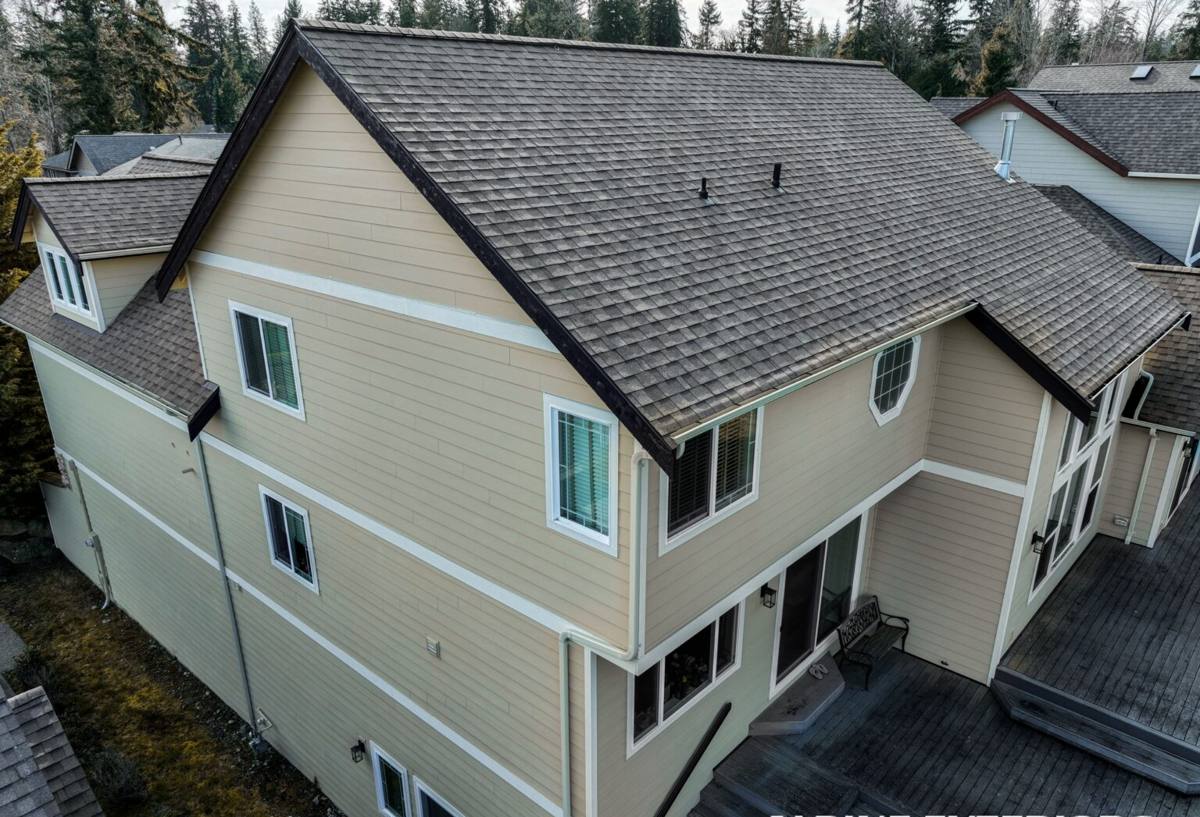
Signs Your Tara Home Needs Siding Repair
Most siding problems don't announce themselves with a dramatic failure — they show up as small warning signs that get worse the longer they're ignored. Homeowners in Tara should watch for:
- Panels that have pulled loose, buckled, or visibly shifted after a windstorm
- Cracks or splits at panel edges, corners, or around windows and doors
- Soft, spongy, or discolored sections that suggest moisture has gotten behind the siding
- Peeling, chalking, or fading paint that's no longer protecting the substrate underneath
- Gaps in caulking or trim where wind-driven rain can work its way inward
- Streaking or staining near seams, which often points to water tracking behind the panels
- Visible corrosion on fasteners or trim pieces exposed to salt air
Any one of these on its own might be minor. Several appearing together, especially after storm season, usually means water has already found a way behind the siding — and that's when a small repair job turns into a much bigger one if it sits too long.
What's Actually Damaging Siding in This Climate
Understanding the cause matters because it changes how the repair should be done. A patch that ignores the underlying cause just fails again.
| Climate Factor | How It Damages Siding | What It Looks Like |
|---|---|---|
| Hurricane-force wind | Flexes and pries panels loose, drives debris into surfaces, stresses fastener points | Loose or missing panels, cracked corners, popped nails |
| Year-round intense UV | Breaks down paint film and, on lower-quality materials, the substrate itself | Chalking, fading, brittleness, surface cracking |
| Wind-driven rain | Forces water sideways into seams, laps, and trim joints that aren't sealed to handle it | Staining, soft spots, interior moisture signs |
| Salt air | Accelerates corrosion of fasteners and metal trim, degrades some finishes over time | Rust streaks, pitted hardware, premature coating failure |
These forces don't act in isolation. Wind opens a small gap, rain gets in behind the panel, and salt air corrodes the fastener holding it in place — three separate problems compounding into one repair job. That's why a proper inspection looks at the whole wall system, not just the spot the homeowner noticed.
Repair or Replace: How We Make That Call
Not every damaged section needs full replacement, and not every homeowner needs to hear "you need all new siding" when a targeted repair will hold up fine. We look at a few honest factors before recommending either path.
| Factor | Favors Repair | Favors Replacement |
|---|---|---|
| Extent of damage | Isolated panels or a single wall section | Damage spread across multiple elevations |
| Underlying moisture | Surface-level, no signs of trapped water | Soft sheathing or evidence of long-term water intrusion |
| Age and material | Newer, well-installed siding still within its service life | Older or lower-grade siding nearing end of life anyway |
| Match availability | Profile and color can be matched cleanly | Discontinued style or heavily faded existing siding |
When repair is the right call, we say so — there's no reason to sell a full re-side when a section can be fixed properly and last for years. When the damage points to a bigger underlying issue, we explain exactly why, with specifics about what we found, not a vague upsell.
What a Correct Repair Actually Involves
A rushed siding repair looks fine for a season and then fails. A correct one addresses the whole assembly:
- Removing damaged panels without disturbing surrounding material unnecessarily
- Inspecting the water-resistive barrier and sheathing underneath for hidden moisture damage
- Repairing or replacing any compromised house wrap or flashing before new panels go on
- Installing replacement panels with correct fastener placement and spacing for wind resistance
- Re-sealing joints, corners, and trim with materials rated for exterior, coastal exposure
- Matching color and profile as closely as possible so the repair doesn't stand out
Skipping the inspection step underneath the panel is the single most common shortcut in siding repair, and it's the one that causes repeat failures. If water already got behind the wall once, putting a new panel over the same unaddressed entry point just delays the next problem.
Why We Repair With James Hardie Fiber Cement
When a repair calls for new material — whether it's a few panels or a full section — we use James Hardie fiber cement, and only James Hardie. We don't install vinyl, LP SmartSide, Cemplank, Allura, or primed wood siding, on repairs or full installs. That's a standard we hold across every job, not just this one.
The reason is straightforward. Fiber cement doesn't flex and buckle in high wind the way vinyl can, it doesn't feed a fire the way wood-based products do, and Hardie's HZ5 product line is engineered specifically for climates like ours — heat, humidity, and storm exposure included. The factory-applied ColorPlus finish also holds color and resists the fading and chalking that constant Florida UV causes in field-painted products. For a repair, that consistency matters: patched-in Hardie panels hold up the same way the surrounding siding does, instead of aging differently and creating a mismatch down the road.
We won't pretend other materials don't have their place elsewhere. But when we're the ones doing the work, we install what we're confident will hold up on a Bradenton home for decades, and that's Hardie.
Our Siding Repair Process for Tara Homeowners
- Inspection: We walk the exterior, identify every affected area, and check behind visibly damaged panels for hidden moisture or sheathing issues.
- Honest assessment: We tell you plainly whether repair or partial replacement makes sense, and why — no inflated scope.
- Written estimate: A clear scope of work and price before anything starts, no surprise change orders mid-job.
- Repair work: Damaged material removed, underlying barrier and flashing addressed, new James Hardie panels installed to manufacturer spec.
- Finish and seal: Trim, caulking, and paint touch-up completed so the repair blends with the rest of the home.
- Final walkthrough: We review the completed work with you before calling the job done.
Why a Crew That Already Works Tara Matters
Siding repair isn't just a materials question — it's a familiarity question. A crew that regularly works in Tara and the surrounding Bradenton area already knows what this climate does to different siding types and installation approaches over time. That means faster, more accurate diagnosis of what's actually wrong, fewer surprises once panels come off, and a repair plan built around what actually survives here rather than a generic national playbook.
It also means straightforward logistics — a contractor already scheduling work in Manatee County can typically get an estimate on the calendar and material ordered without the delays that come from unfamiliar crews traveling in from farther away. For homeowners trying to get storm damage addressed before the next weather event, that local presence is worth something real.
Protecting the Rest of the Home
Siding is the first line of defense for everything behind it — sheathing, insulation, and interior walls. A repair that's done correctly does more than restore curb appeal; it closes off the entry points that let wind-driven rain and humidity work their way into the structure. In a climate that gets tested by wind and water as often as ours does, that's not a cosmetic fix. It's protecting the rest of the investment in the home.
If you're seeing cracked, loose, or water-stained siding on your Tara home, it's worth having it looked at before the next storm season adds to the damage. We'd be glad to take a look, give you an honest assessment of what's needed, and provide a free, no-pressure estimate — no obligation either way.