 Bradenton Window
 Composite Decking for Village of the Arts Homes
Village of the Arts is one of the more distinctive pockets of Bradenton — a walkable, historic neighborhood of older bungalow and cottage-style homes, many of them doing double duty as residences, studios, and small galleries. That mix matters when it comes to outdoor living space. A deck here isn't just a place to grill on Saturday; for a lot of homeowners it's an extension of the house that guests, buyers, and studio visitors actually walk across. It needs to look good, hold up, and not turn into a maintenance chore between shows and open houses.
We build and replace composite decks for homes in this neighborhood and across Manatee County, and the material and construction choices we make here are shaped directly by what this specific climate does to a deck year after year.
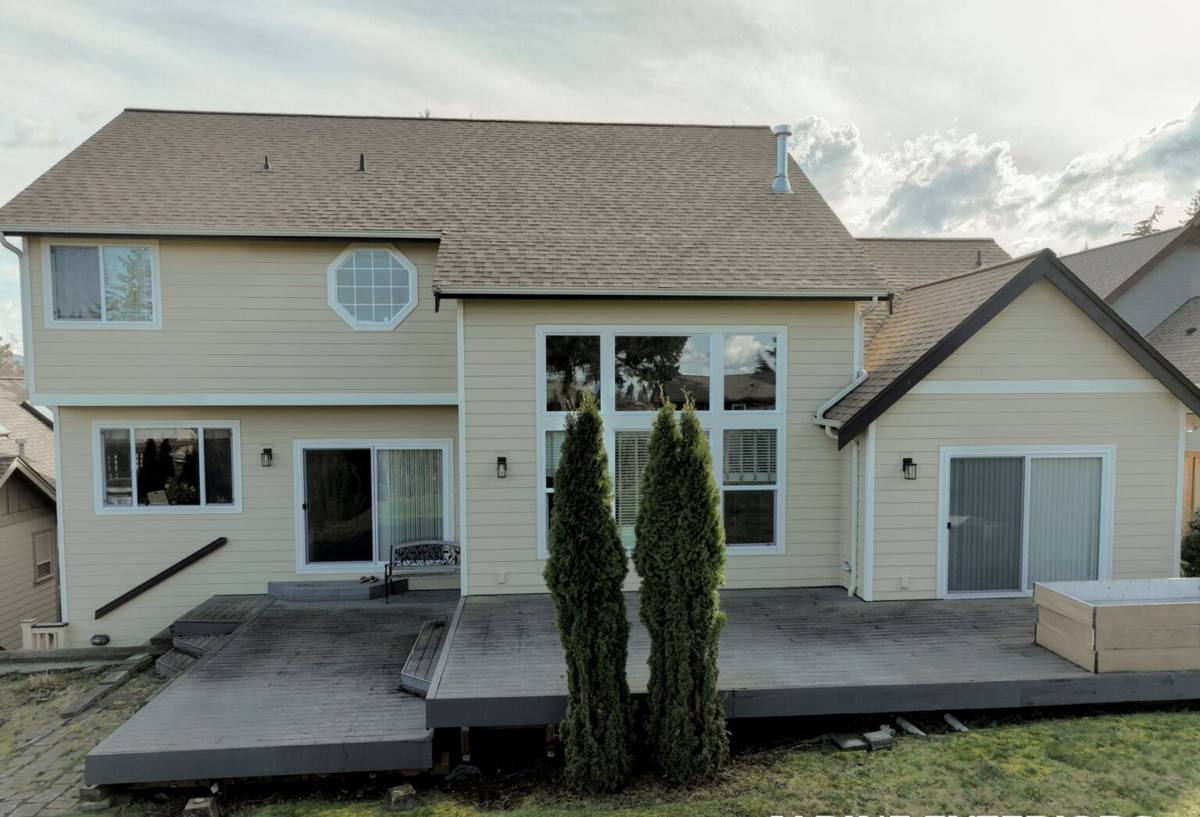
What Bradenton's Climate Does to a Deck
Manatee County sits in a stretch of Florida that gets the full package: long stretches of intense UV exposure, humidity that never really lets up, wind-driven rain off the Gulf, salt air carried inland from the coast, and the real possibility of hurricane-force wind loading during storm season. Any one of those is hard on an outdoor structure. Together, they're why so many older wood decks in this area show cupping, splitting, and fastener corrosion well before a homeowner expected to be replacing them.
The specific stressors we build against
- UV degradation: Constant sun bleaches and dries out wood fibers and lower-grade composites, leading to fading and surface checking.
- Moisture cycling: Humid days followed by afternoon downpours mean boards are constantly absorbing and releasing moisture — the main driver of warping and rot in wood decking.
- Salt air corrosion: Even a few miles inland from the coast, airborne salt accelerates rust on fasteners, brackets, and any exposed metal hardware.
- Wind-driven rain: Rain doesn't just fall here, it blows sideways under railings and into ledger connections if flashing wasn't done correctly.
- Storm wind loading: Railings, stairs, and the substructure all need to be fastened to hold up under hurricane-force gusts, not just everyday use.
Why Village of the Arts Homes Have Their Own Set of Considerations
A lot of the homes in this neighborhood are older bungalows, several of them raised or on piers, with decks that connect directly to studio or gallery entrances used by visitors as well as the family. That changes the priorities a bit compared to a typical suburban backyard deck project:
- Decks here often see more foot traffic from non-residents (customers, gallery guests, art-walk visitors), so slip resistance and a clean, presentable surface matter more than usual.
- Because many of these homes are older, the existing framing, ledger attachment, or pier foundations frequently need evaluation before new decking goes down — you can't judge a deck's condition from the surface boards alone.
- Homeowners here tend to want a look that fits the neighborhood's character — often more understated and classic than a big modern composite deck might otherwise trend toward.
- Smaller lots and closer setbacks mean drainage and water runoff need to be planned carefully so a new deck doesn't push water toward a neighboring foundation or crawlspace vent.
We don't treat this as a generic "install decking" job. We look at the house first, then decide what decking system and substructure approach actually fits it.
Composite vs. Wood in This Climate
We install wood decking when a homeowner wants that look and understands the tradeoffs. But for most Village of the Arts homeowners weighing long-term cost against sun, humidity, and salt exposure, composite is the more practical choice. Here's the honest comparison:
| Factor | Wood Decking | Composite Decking |
|---|---|---|
| UV fading | Fades and grays without regular sealing | Color is engineered in; capped boards resist fading much longer |
| Moisture response | Swells, cups, and splits with wet/dry cycling | Dimensionally stable; minimal swelling |
| Salt air impact | Accelerates fastener corrosion and surface wear | Board material itself doesn't corrode; hardware still needs to be rated |
| Annual maintenance | Sanding, staining, or sealing most years | Occasional soap-and-water cleaning |
| Upfront cost | Lower material cost | Higher material cost |
| Lifespan in this climate | Shorter without diligent upkeep | Longer, more predictable, backed by manufacturer warranty |
| Feel underfoot / heat | Cooler in direct sun typically | Lighter colors and certain board profiles help manage heat buildup |
Neither option is "wrong." We'll walk through this table in person, with your actual layout and sun exposure in mind, before recommending anything.
What a Correctly Built Composite Deck Actually Involves
The composite boards themselves get most of the attention, but they're the last thing installed, not the most important decision. Most of the deck failures we get called out to inspect trace back to what's underneath the surface, not the boards themselves.
Substructure and framing
Pressure-treated or coated structural framing, properly spaced joists (composite manufacturers specify tighter joist spacing than traditional wood decking allows), and joist tape or flashing on top of every joist to keep moisture from wicking into the frame. On older homes, this is also where we check the existing structure — pier condition, ledger attachment, and whether the framing was ever properly flashed against the house in the first place.
Ledger attachment and flashing
Where the deck meets the house is the single most common point of water intrusion and structural failure on any deck, anywhere. Correct flashing here, combined with proper fastener selection, is non-negotiable — especially with the wind-driven rain this area sees.
Fasteners and hardware
Stainless steel or coated, corrosion-rated hardware throughout — not standard galvanized. In salt-air conditions, using the wrong fastener grade is one of the fastest ways to end up with rust streaks and loosening connections within a couple of years.
Ventilation and drainage
Proper air flow under the deck and grading that moves water away from the house and away from neighboring structures — something we plan for carefully given how close together homes sit in this neighborhood.
Railings and stairs
Built to current code for wind and structural loading, not just aesthetics, with attention to how they'll hold up to salt air over time on any exposed metal components.
Our Process
- On-site evaluation: We look at the existing structure (if any), the home's age and framing, sun exposure, and how the space is actually used.
- Design and material selection: We walk through board options, colors, and railing styles that fit the home and your budget — using the comparison above as a starting point, not a sales pitch.
- Permitting: Deck work in Manatee County typically requires a permit; we handle that process so it's not on you to navigate.
- Demo (if replacing an existing deck): Removal of old decking and inspection of the substructure underneath before anything new goes down.
- Framing and flashing: Structural work, ledger flashing, and hardware installation — the part that determines how the deck performs in five or ten years, not just how it looks on day one.
- Decking, railing, and finish work: Composite board installation, railing systems, stairs, and any trim or fascia detailing.
- Final walkthrough: We go over the finished deck together, along with basic care so it stays looking right.
What Affects Cost
Every deck project is different, but these are the main factors that move the price up or down:
| Cost Factor | Why It Matters |
|---|---|
| Square footage | Larger decks cost more in both material and labor, obviously, but pricing per square foot often improves on bigger jobs |
| Substructure condition | Reframing or repairing existing framing on an older home adds cost but is not optional if the structure isn't sound |
| Board tier | Composite lines range from capped polymer boards to premium capped composite with deeper wood-grain finishes |
| Railing and stair complexity | Multiple stair runs, custom railing materials (aluminum, cable, composite rail) add labor and material cost |
| Height and pier work | Elevated decks common on older Village of the Arts homes may need additional footing or pier work |
| Permit and inspection requirements | Larger or elevated decks may require additional engineering or inspection steps |
We give straight, itemized numbers after we've actually looked at your home — not a phone-quote guess.
Maintenance: What Ownership Actually Looks Like
Part of why homeowners in this neighborhood move to composite is that the upkeep is genuinely low, but "low maintenance" doesn't mean "no maintenance." A quick seasonal checklist:
- Sweep debris and organic buildup (leaves, pollen, mildew film) off the surface every few weeks, more often under tree cover.
- Wash with soap and water (or a manufacturer-approved composite cleaner) once or twice a year to prevent surface mildew, especially in shaded, humid spots.
- Check railing hardware and fasteners annually for any early rust or loosening, particularly after storm season.
- Keep gutters and downspouts near the deck clear so water isn't dumping directly onto boards or framing.
- Trim back plants and vegetation that trap moisture against the deck edge.
Why Hiring a Crew That Already Works This Neighborhood Matters
Village of the Arts has its own mix of older framing styles, pier foundations, tight lot lines, and a neighborhood character that homeowners want to preserve rather than override with something that looks out of place. A crew that's already worked in this part of Bradenton knows what to expect when they pull up old decking on a decades-old bungalow, understands the permitting process with Manatee County, and can talk through design choices that actually suit the neighborhood instead of pushing a one-size-fits-all package. That familiarity shows up in fewer surprises mid-project and a finished deck that looks like it belongs on the house.
If you're thinking about a new deck or replacing one that's showing its age, we're happy to come take a look and talk through honest options — no pressure, no hard sell. The form below gets you a free estimate.