 Bradenton Window
 Building Decks for Whitfield Estates Homes
Whitfield Estates sits close enough to Sarasota Bay and the Gulf that every outdoor structure on a property feels the water eventually. A deck here isn't just a place to put a grill and some chairs — it's an exterior structure that has to survive intense year-round UV, wind-driven rain, salt-laden air, and the occasional hurricane-force wind event that Manatee County plans for every storm season. We build and replace custom decks for homeowners in this neighborhood with those conditions in mind from the first material decision, not as an afterthought.
A deck that works well in a drier, cooler climate can fail fast here. Fasteners corrode faster near the coast. Wood that isn't properly sealed cups and splits under UV exposure within a couple of seasons. Framing that isn't rated for local wind and connection requirements can become a liability in a bad storm. Our approach to Whitfield Estates decks starts with those realities, then moves into design and looks.
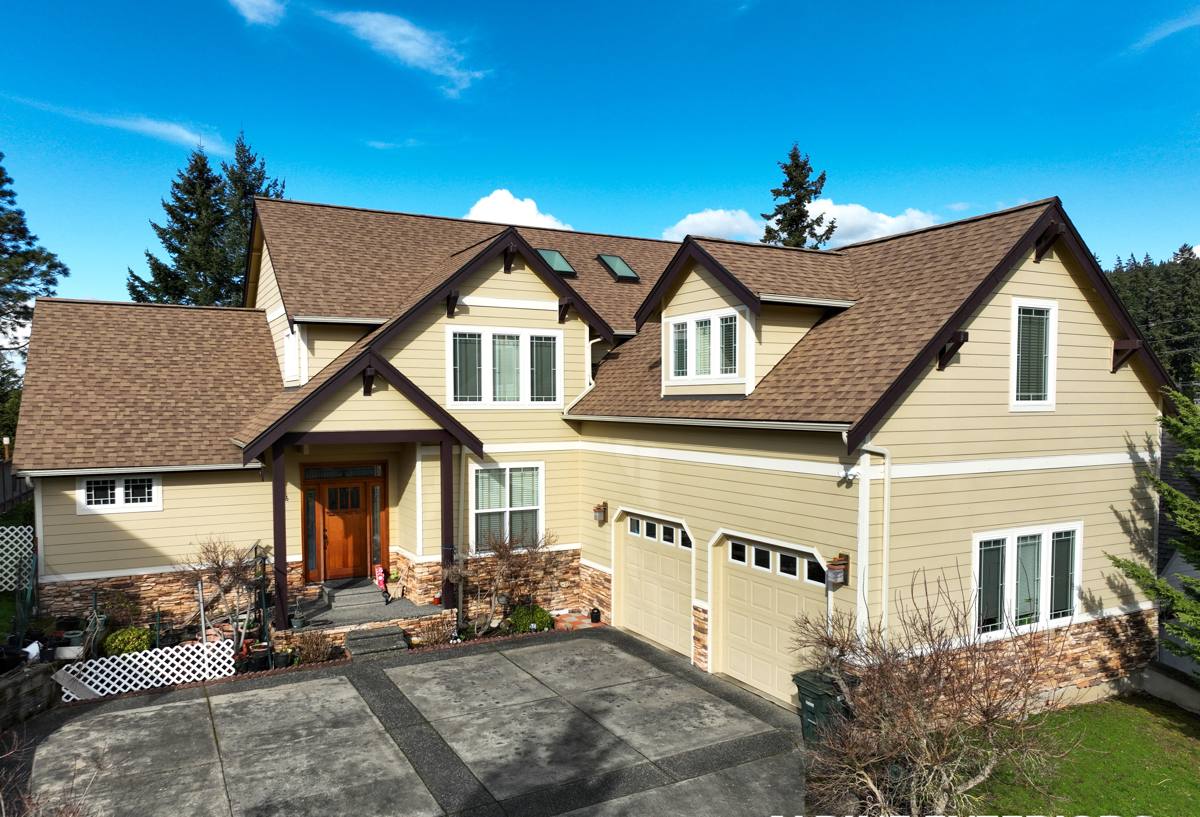
What Bradenton's Climate Does to a Deck
It's worth understanding the specific stresses a deck in this part of Florida is under, because it changes almost every material and construction decision.
UV and Heat
Florida sun is intense and consistent nearly all year. Composite decking can fade or, in lower-quality products, soften and warp if it isn't rated for high-UV climates. Wood dries out, checks, and grays quickly without regular sealing. Metal fasteners and hardware left exposed can get hot enough to affect adjacent materials over time.
Salt Air
Proximity to the Bay and Gulf means airborne salt settles on everything, including decks that aren't directly waterfront. Salt accelerates corrosion in standard fasteners, hinges, and structural connectors. It also degrades certain finishes and coatings faster than inland environments would.
Wind-Driven Rain and Storms
Manatee County sees seasonal tropical systems and the occasional hurricane-force event. Wind-driven rain gets pushed sideways and underneath structures, which means drainage, flashing, and ledger attachment all matter more here than in a low-wind climate. Deck framing and railing also need to meet wind-load expectations appropriate for coastal Southwest Florida, not a generic national minimum.
Humidity and Moisture Cycling
Frequent rain followed by intense heat creates a wet-dry cycle that stresses wood fibers, fastener joints, and any coating or sealant. Decks that trap moisture against framing members are the ones that develop rot and structural problems first.
What a Correctly Built Deck Looks Like Here
A deck built for Whitfield Estates conditions isn't dramatically different in appearance from one built anywhere else — the difference is in the materials and the details you don't see once it's finished.
- Structural framing sized and connected to meet local wind-load requirements, not just minimum code for a non-coastal area
- Corrosion-resistant fasteners and structural hardware rated for coastal or high-moisture use
- Proper ledger board attachment and flashing where the deck meets the house, to keep wind-driven rain from finding its way into the wall assembly
- Decking material — wood or composite — chosen and installed with realistic expansion, contraction, and UV exposure in mind
- Railing systems that meet current code height and baluster spacing requirements and hold up to salt exposure
- Drainage and grading underneath the deck so water doesn't pool against posts or footings
- Post footings sized and set to local soil and frost-line (in Florida's case, mostly bearing-capacity) requirements
Decking Material Options
There's no single "best" decking material for every Whitfield Estates project — it depends on budget, maintenance tolerance, and how close the home is to salt air and direct sun exposure. Here's how the common options actually compare in this climate.
| Material | UV/Sun Behavior | Salt Air Tolerance | Maintenance | Typical Lifespan Here |
|---|---|---|---|---|
| Pressure-Treated Wood | Grays and checks without regular sealing | Fair — needs vigilant fastener protection | Annual sealing/staining recommended | 10-15 years with upkeep |
| Composite Decking | Good with UV-rated products; lower-grade lines can fade or soften | Good — resists rot and salt corrosion better than wood | Low — periodic cleaning | 20-25+ years |
| Tropical Hardwoods (e.g. ipe-type species) | Very good structurally; grays without oiling | Good | Periodic oiling for color retention | 25+ years |
| PVC Decking | Excellent UV stability | Excellent — fully synthetic, no corrosion concern for the board itself | Very low | 25-30 years |
Whatever the decking material, the fasteners, joist hangers, and structural connectors matter just as much — a premium composite board attached with the wrong hardware in a salt-air environment will still cause problems down the line.
Framing and Structure: The Part That Really Matters
Homeowners naturally focus on what the deck surface looks like, but the framing underneath is what determines whether it lasts through Bradenton's storm seasons. We build to current wind-resistance and connection standards, which typically means:
- Joist hangers, hurricane ties, and structural screws rated for exterior and coastal exposure
- Ledger attachment engineered to resist both vertical load and lateral pull-away forces from wind
- Beam and post sizing calculated for the actual span and load, not just "what's always been done"
- Post-to-footing connections designed to resist uplift, not just gravity load
This is also where cutting corners is easiest to hide and hardest to catch later. A deck can look finished and clean while sitting on undersized framing or corroding fasteners that won't show a problem until a storm puts real load on the structure.
Our Process for Whitfield Estates Deck Projects
1. On-Site Assessment
We look at the site itself — sun exposure, drainage patterns, proximity to the house's water and drainage systems, existing structure condition if it's a replacement, and any HOA or setback considerations relevant to the property.
2. Design and Material Selection
We walk through material options honestly, including trade-offs — maintenance burden, upfront cost versus lifespan, and how each option holds up to salt air and sun specific to this part of Manatee County.
3. Permitting
Deck construction in Manatee County typically requires a building permit, and structural work needs to meet current wind and code requirements for the area. We handle the permitting process so the finished structure is inspected and documented correctly — that documentation matters for insurance and for resale down the road.
4. Construction
Framing first, with attention to ledger attachment, flashing, and connector hardware, followed by decking, railing, and finish details. We don't cover up structural work before it's ready to be seen — a deck's integrity is in the parts that get buried under the decking boards.
5. Final Walkthrough
We go over the finished deck with the homeowner, including basic maintenance expectations for the specific material installed, before considering the job complete.
Replacing an Older or Storm-Damaged Deck
A lot of our Whitfield Estates deck work is replacement, not new construction. Older decks in this area — especially wood decks more than 12-15 years old — often show the cumulative effect of UV exposure, salt air corrosion, and repeated wet-dry cycling: soft or spongy boards, rusted or failing fasteners, railing that's loosened over time, or framing that's taken on rot near ground contact or the ledger connection.
If your deck has been through a tropical storm or hurricane-force wind event, it's worth having it inspected even if it looks fine on the surface. Wind can loosen ledger connections or stress framing joints in ways that aren't visible until the structure is under load again.
Signs a Deck May Need Replacement Rather Than Repair
- Soft, spongy, or visibly cupped decking boards
- Rust staining around fasteners or connector hardware
- Railing posts that wiggle or have separated from the frame
- Visible gaps or movement where the deck meets the house
- Wood that's gray, splintering, or checking despite regular sealing
- Any structural component that flexes noticeably under normal foot traffic
Maintenance That Actually Extends Deck Life Here
Whatever material a Whitfield Estates deck is built from, a few habits make a real difference given the local climate:
- Rinse off salt residue and debris periodically, especially after storms
- Keep gutters and downspouts directing water away from the deck structure, not onto it
- Reseal or stain wood decking on the schedule the product actually requires — UV here breaks down finishes faster than in milder climates
- Check railing connections and fastener condition once or twice a year
- Keep planters and other water-holding items from sitting directly on decking boards long-term
Why Local Experience Matters for This Kind of Work
Deck construction that looks fine on paper can still fail against Gulf Coast conditions if it's built to generic specifications instead of what this area actually demands. A crew that regularly works in Bradenton and greater Manatee County already knows which fastener grades hold up near the water, how local permitting and inspection requirements apply to deck structures, and what wind and drainage detailing actually needs to look like here — not in theory, but based on what holds up and what doesn't in this specific climate. That's the difference between a deck that needs major work again in a decade and one that's still solid decades from now.
If you're planning a new deck or considering replacing one in Whitfield Estates, we're happy to come out, take a look at your property, and talk through honest options for your budget and goals — no pressure, no obligation. Reach out using the form below for a free estimate.