 Bradenton Window
 Roof Repair for Whitfield Estates Homes
Whitfield Estates sits close to the water on Bradenton's west side, which means its roofs work harder than roofs a few miles inland. Between hurricane-force wind events, near-constant UV exposure, wind-driven rain, and salt air rolling in off the coast, a roof here ages differently than one in a landlocked subdivision. We repair roofs in this neighborhood regularly, and the patterns of damage we see are specific enough that a generic, one-size-fits-all repair approach doesn't hold up. This page walks through what local homes actually need from a roof repair, what a correct repair involves, and how we handle the job from first inspection to final cleanup.
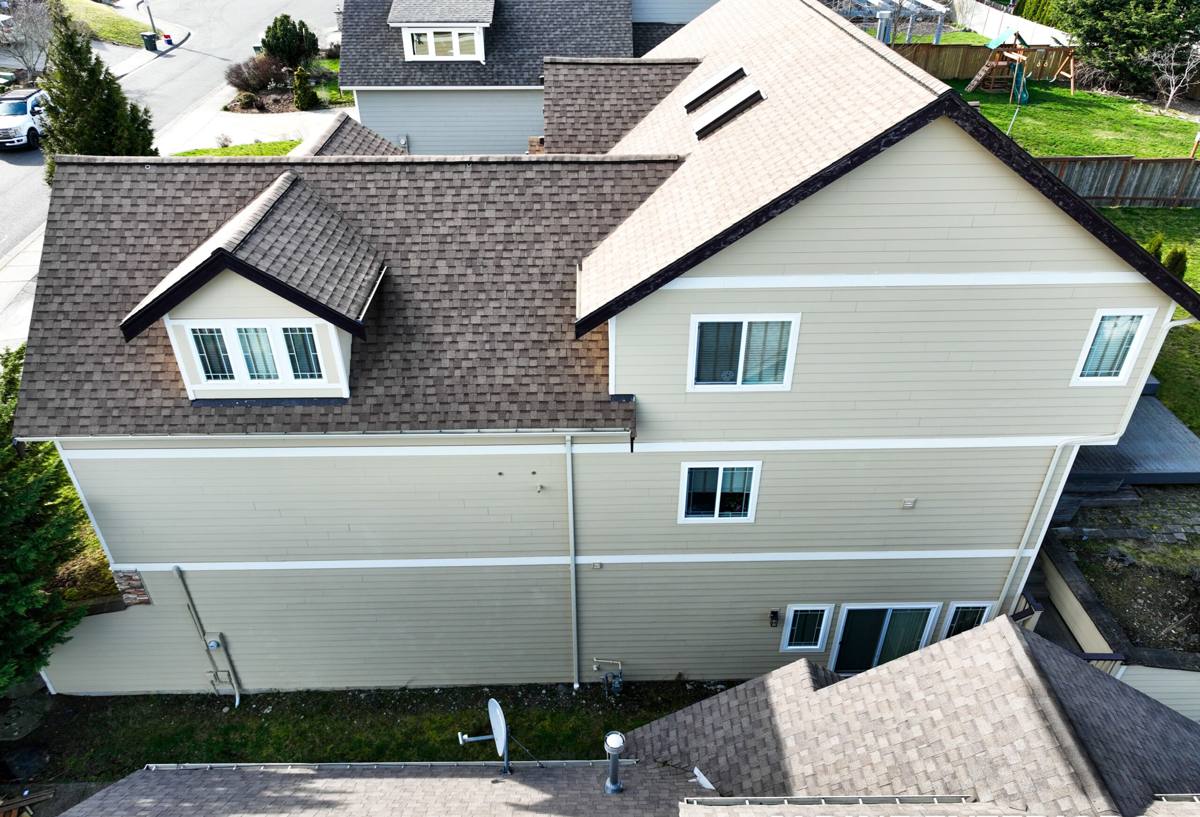
What Bradenton's Climate Does to a Roof
Roofing failures in this area rarely come from one single cause. They're usually the result of several stresses working on the same roof, year after year, until a weak point finally gives.
Hurricane-Force Wind
Wind is the biggest structural threat. Even storms that don't make headlines can produce gusts strong enough to lift shingle edges, loosen tile, or work fasteners loose over multiple events. Once wind gets under an edge or a ridge cap, it doesn't take much more to peel back a larger section. Roofs closer to open water, including this part of Manatee County, tend to see this pattern more than roofs further inland.
Year-Round UV and Heat
Florida roofs don't get an off-season. Constant UV exposure breaks down the oils and asphalt compounds in shingles, making them brittle over time, and it degrades sealants and rubber components on flashing and vent boots faster than in most other climates. A shingle that looks intact from the ground can be cracked and losing granules up close, which is exactly where leaks start.
Wind-Driven Rain
Rain that falls straight down is rarely the problem. Rain that's being pushed sideways by wind finds every gap, lap, and fastener point that a calm-weather roof would never test. This is why a repair that only addresses the visible hole or missing shingle, without checking how water moves across that section of roof, tends to fail again in the next storm.
Salt Air and Coastal Moisture
Being close to the water adds a corrosion factor that inland Florida roofs don't deal with to the same degree. Metal flashing, fasteners, and vent components corrode faster in salt air, and that corrosion often shows up first as small rust streaks or a fastener that's lost its grip, long before it becomes an obvious leak.
Common Repair Issues We See in This Area
The right repair depends heavily on what kind of roof is on the house. Here's what tends to go wrong with each type in this part of Bradenton.
Asphalt Shingle Roofs
Wind-lifted or missing shingles, cracked and curling tabs from UV exposure, and failed sealant strips along ridges and edges are the most common calls. Granule loss is also common on older roofs — it doesn't cause an immediate leak, but it's a sign the shingle's protective layer is thinning.
Tile Roofs
Tile itself often outlasts the roof underneath it. The more common issue is cracked or slipped tiles from wind or foot traffic, and deteriorated underlayment beneath tiles that are otherwise in fine shape. A leak on a tile roof frequently traces back to the underlayment or flashing, not the tile.
Flat and Low-Slope Sections
Many homes in this area have a flat or low-slope section over a lanai, porch, or addition. These are more vulnerable to ponding water and membrane seam failures, and they need a different repair approach than a pitched shingle or tile roof — patching a membrane roof the way you'd patch shingles doesn't hold.
What a Correct Roof Repair Actually Involves
A repair that's done right goes past just covering the hole. Before any material goes back on the roof, the underlying cause needs to be identified — otherwise the same spot fails again in the next storm season.
- Confirming the actual source of the leak, which is often several feet from where water shows up inside the house
- Checking the roof decking underneath for soft spots, rot, or water staining before closing the area back up
- Inspecting and, where needed, replacing flashing around penetrations — vents, chimneys, skylights, and wall transitions
- Matching replacement materials to the existing roof as closely as possible, including shingle profile, tile type, or membrane type
- Following proper fastening patterns so the repaired section holds up to wind the same way the surrounding roof does
- Resealing and re-flashing any disturbed area so it sheds wind-driven rain correctly, not just standing water
Skipping any one of these steps is how a "repair" turns into a callback a year later.
Our Process, Start to Finish
We keep the process straightforward and don't push work that isn't needed.
- Inspection. We get on the roof (or use safe close-range inspection where access is limited) and look at the whole roof, not just the spot you called about — a second problem area is common.
- Explanation. We walk you through what we found, what's causing it, and what it takes to fix it correctly, in plain language.
- Estimate. You get a clear, written scope of work and price before anything is scheduled — no surprise add-ons mid-job.
- Repair. We do the work with materials matched to your existing roof, following manufacturer specs and local wind-resistance requirements.
- Cleanup and check. We clear debris, old material, and fasteners from the yard and gutters, and do a final check of the repaired area.
Repair or Replace? How We Help You Decide
Not every roof problem needs a full replacement, but not every roof is a good candidate for another repair either. We look at the whole picture before recommending either path.
| Factor | Leans Toward Repair | Leans Toward Replacement |
|---|---|---|
| Roof age | Well within expected service life for the material | At or past the material's typical lifespan |
| Damage extent | Isolated to one area or a handful of spots | Spread across multiple sections of the roof |
| Repair history | First or second repair on this roof | Repeated repairs in the same general area |
| Decking condition | Solid, no rot or soft spots found | Soft decking or water staining in multiple spots |
| Underlayment condition | Intact and still doing its job | Brittle, torn, or failing in several places |
Sometimes the honest answer is that a repair now buys you several more good years. Other times, putting more money into an aging roof isn't the better value, and we'll tell you that directly.
Materials and Workmanship Standards
Repair materials matter as much as installation technique. We match shingle type, tile profile, and underlayment class to what's already on your roof wherever possible, because a mismatched patch — different shingle color, different tile profile, or the wrong-weight underlayment — tends to perform differently than the surrounding roof and stands out visually.
On flashing, we favor corrosion-resistant metals given the salt air in this area; standard mild-steel components tend to show rust and lose their seal faster this close to the water, which means more maintenance and a shorter effective life. That's a trade-off we'd rather explain upfront than let a homeowner discover a few years down the road. The same logic applies to sealants and fasteners — the cheaper option isn't always the wrong choice for every situation, but we'll tell you honestly what you're trading off in maintenance and longevity before we use it.
Cost Factors to Understand
Roof repair pricing varies a lot based on specifics, and anyone who quotes a firm number before inspecting the roof is guessing. These are the main factors that move the price up or down.
| Factor | Why It Matters |
|---|---|
| Roof material | Shingle, tile, and membrane repairs involve different labor, materials, and skill |
| Extent of damage | A single leak fix costs far less than repairing storm damage across several sections |
| Decking condition | Rotted decking that needs replacement adds material and labor beyond a surface patch |
| Roof pitch and access | Steeper roofs and harder-to-reach areas take more time and safety setup |
| Matching materials | Older or discontinued shingle and tile styles can be harder to source and match |
| Permitting | Certain repair scopes in Manatee County require a permit, which adds time and a fee |
We'll always give you a clear range early on and a firm number once we've actually inspected the roof, so you're not guessing either.
Why Local Experience in Whitfield Estates Matters
A crew that regularly works this neighborhood already understands how its roofs age — which materials tend to show up on homes here, how close proximity to the water affects flashing and fasteners, and which wind and rain patterns tend to cause repeat problems. That familiarity means fewer surprises during inspection and a repair plan built around how this specific area's roofs actually fail, not a generic checklist. It also means we're not learning the neighborhood on your project.
A Few Things Worth Checking Before Any Roof Repair
- Ask what caused the leak, not just where it is — a real answer means a real inspection happened
- Confirm whether decking or underlayment needs attention, not just the visible surface layer
- Get the scope and price in writing before work starts
- Ask whether the repair materials will match your existing roof
- Check that flashing and fasteners are appropriate for a coastal, salt-air environment
- Ask whether a permit is needed for the scope of work being done
If you're dealing with a leak, storm damage, or just want a second opinion on a roof issue in Whitfield Estates, we're happy to take a look. Fill out the form below for a free, no-pressure estimate and a straight answer on what your roof actually needs.