 Bradenton Window
 Siding That Has to Work in Whitfield Estates, Not Just Look Good on a Brochure
Whitfield Estates is one of the older, established residential pockets in the greater Bradenton area, with homes ranging from mid-century construction to more recent remodels, mature tree canopy, and a location close enough to the water that salt-laden air is a daily reality rather than an occasional nuisance. Siding here does a job that siding in a landlocked subdivision never has to do. It has to survive hurricane-force wind events, shrug off wind-driven rain that gets pushed sideways into wall assemblies, tolerate near-constant UV exposure, and resist the slow corrosive creep of salt air on fasteners, trim, and finishes.
This page is specifically about siding installation for homes in and around Whitfield Estates — what the local climate demands, what a correctly installed job actually involves, and why we build every project around James Hardie fiber cement siding installed by a crew that already knows this part of Manatee County.
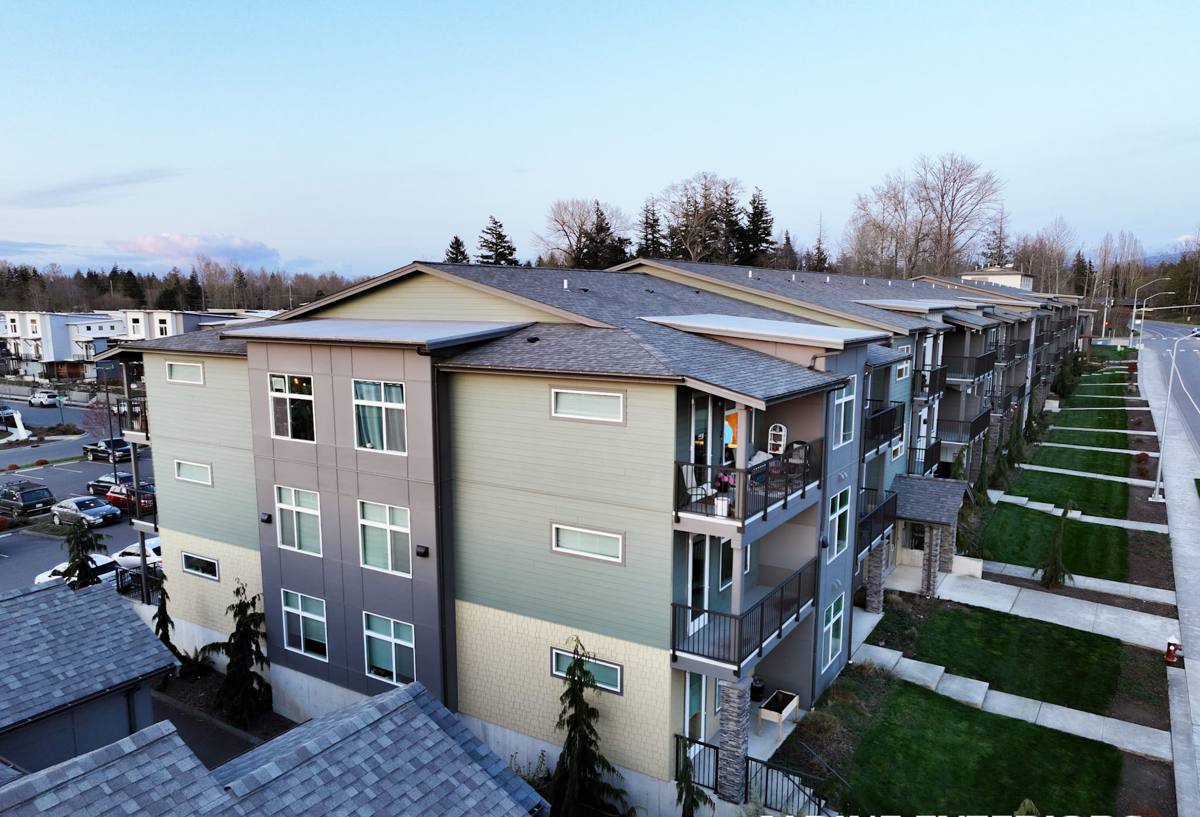
What Bradenton's Climate Actually Does to Siding
Most siding failures on the Gulf Coast aren't caused by one dramatic storm. They're caused by years of cumulative exposure that most siding products were never engineered to handle at this intensity.
Hurricane-Force Wind
Wind doesn't just push against a wall — it creates uplift and pressure differentials at corners, eaves, and panel edges. Siding that's under-fastened, fastened with the wrong nail pattern, or installed without attention to manufacturer wind ratings is the siding that ends up peeled off a wall or scattered across a yard after a tropical system moves through.
Wind-Driven Rain
Rain that falls straight down is easy to shed. Rain that's being driven horizontally by 40-60 mph gusts finds every gap, seam, and unsealed penetration in a wall system. Once moisture gets behind siding and stays there, the sheathing, framing, and insulation behind it start to suffer — long before anything looks wrong from the street.
Year-Round UV Exposure
Florida sun is relentless on painted and coated surfaces. Cheaper finishes chalk, fade, and break down years ahead of schedule, especially on south- and west-facing elevations that take direct sun for most of the day.
Salt Air
Proximity to Tampa Bay and the Gulf means airborne salt is a constant, low-grade corrosive force. It attacks exposed fasteners, thin trim, and any product that relies on a surface coating rather than a material that's inherently stable when wet.
Why This Matters More in an Established Neighborhood Like Whitfield Estates
Many homes in this area have mature landscaping and tree cover, which is a mixed blessing for siding. Shade reduces some direct UV load, but it also keeps humidity higher against north- and east-facing walls, slows drying after rain events, and increases the chance of algae or mildew growth on siding surfaces that don't dry out quickly. A siding product and installation approach that ignores this — assuming every wall gets the same sun and airflow — is a shortcut that shows up as premature staining or soft spots within a few years.
Established neighborhoods also tend to have a mix of home ages and past renovation work, which means every property needs its own honest assessment rather than a one-size-fits-all quote. What's behind the existing siding, how the original construction handled moisture management, and what condition the sheathing is in all change the scope of a correct installation.
What a Correct Siding Installation Actually Involves
Siding installation is not simply removing old panels and nailing up new ones. Done correctly, it's a sequence where each step protects the one behind it:
- Tear-off and inspection: removing existing siding and checking the sheathing underneath for rot, delamination, or moisture damage before anything new goes up.
- Substrate repair: replacing any compromised sheathing or framing — covering over a damaged wall with new siding just hides the problem.
- Weather-resistive barrier: installing a correctly lapped and sealed moisture barrier so any water that does get past the siding has a path to drain out, not soak in.
- Flashing at every penetration: windows, doors, hose bibs, vents, and electrical penetrations all need proper flashing so wind-driven rain can't track behind the wall assembly.
- Correct fastener type, spacing, and pattern: matched to the manufacturer's wind-zone requirements for Manatee County, not a generic nailing schedule.
- Proper clearances: siding held off rooflines, decks, and grade by the manufacturer's specified gap so water can't wick into the bottom edge of the panel.
- Caulking and sealant at joints: using products rated for exterior, high-UV, high-humidity conditions, applied only where the manufacturer calls for it.
- Finish inspection: checking for consistent reveal lines, tight seams, and paint-ready or factory-finished surfaces before calling the job done.
Skip or rush any one of these steps and the siding may look fine at handoff, but it won't perform the way it's supposed to when the first real storm season tests it.
Why We Only Install James Hardie Fiber Cement
We made a decision as a company to install James Hardie fiber cement siding exclusively — not vinyl, not LP SmartSide, not Cemplank, not Allura, not primed spruce or cedar. That's a narrower lineup than a lot of contractors offer, and it's intentional.
Fiber cement is non-combustible and dimensionally stable in a way wood-based and vinyl products aren't. It doesn't soften, warp, or become brittle the way vinyl can in extreme heat or cold, and it doesn't carry the moisture-related maintenance burden that engineered wood products do in a humid coastal climate. James Hardie's ColorPlus factory finish is baked on and warranted, which matters enormously here — Bradenton's UV load is hard on field-applied paint, and a factory finish engineered for color retention holds up longer with far less repainting.
James Hardie also builds climate-engineered HZ product lines specifically for high-moisture, high-humidity regions like ours, and backs the material with a strong transferable warranty. When it's installed to spec — which is the part that actually determines how it performs — it's the product we're comfortable standing behind on a home that's going to face hurricane seasons, salt air, and Florida sun for decades.
Siding Options at a Glance
| Consideration | Vinyl / Engineered Wood | James Hardie Fiber Cement |
|---|---|---|
| Wind performance | Can crack, warp, or blow off in high-wind events | Engineered and rated for high wind zones when correctly fastened |
| Moisture behavior | Engineered wood is moisture-sensitive; can swell or delaminate | Fiber cement is stable and doesn't absorb moisture the same way |
| UV / fade resistance | Field-applied or thin coatings fade and chalk over time | ColorPlus factory finish is warranted against fading |
| Combustibility | Vinyl and wood-based products are combustible | Non-combustible material |
| Salt air durability | Fasteners and thin trim corrode faster near the coast | Material itself doesn't corrode; proper fasteners extend life further |
Our Whitfield Estates Installation Process
1. On-Site Assessment
We walk the property, look at every elevation individually, and check for sun exposure, tree cover, drainage patterns, and the condition of existing siding and trim. A north wall shaded by mature trees and a south wall in full sun rarely need identical treatment.
2. Scope and Product Plan
We put together a plan that specifies the James Hardie product line and profile, fastening schedule appropriate for the wind zone, and any sheathing or trim repair the assessment turned up — in writing, before work starts.
3. Permitting
Siding replacement in Manatee County typically requires a permit, and in a wind-borne debris region that means the installation has to meet current wind-load code. We handle this as part of the job rather than leaving it to the homeowner to sort out.
4. Tear-Off and Substrate Repair
Old siding comes off, the sheathing gets inspected, and anything compromised gets replaced before a single new panel goes up.
5. Weather Barrier and Flashing
We install and lap the weather-resistive barrier correctly and flash every window, door, and penetration before siding installation begins — this is the step that determines whether the wall stays dry for the next 30 years.
6. Installation
Panels go up per James Hardie's fastening and clearance specifications, with attention to consistent reveals and tight, properly caulked joints.
7. Final Walkthrough
We walk the finished job with the homeowner, point out anything worth knowing for long-term care, and confirm everything matches the agreed scope.
Cost Factors on a Whitfield Estates Home
Every home is different, but the factors that move a siding installation quote up or down are consistent. We'd rather explain them up front than surprise anyone mid-project.
| Factor | Why It Affects Cost |
|---|---|
| Home size and number of stories | More surface area and more difficult access both add labor time |
| Condition of existing sheathing | Rot or moisture damage found during tear-off requires repair before new siding goes on |
| Trim and architectural detail | Corners, soffits, and decorative trim take more time than flat, simple walls |
| James Hardie product line and profile | Plank, panel, and shingle profiles carry different material and labor costs |
| Access and site conditions | Mature landscaping, fencing, or tight setbacks can slow tear-off and staging |
We provide a written estimate that breaks these out so it's clear what's driving the number, not just a total.
Why Hiring a Crew That Already Works This Neighborhood Matters
A contractor who has worked in Whitfield Estates and the surrounding Bradenton area already understands the local wind-load requirements, how Manatee County permitting works in practice, and what older home construction in this part of the county tends to look like once the old siding comes off. That familiarity shows up in fewer surprises during tear-off, a smoother permitting process, and a crew that isn't learning the neighborhood's quirks on your project.
It also matters for something less obvious: accountability. A crew that plans to keep working in this community has every incentive to do the job right the first time, because the next homeowner down the street is a potential future customer watching how the last job held up.
What to Ask Before Hiring a Siding Contractor
- Do you pull permits and handle wind-load compliance for Manatee County, or is that left to me?
- What happens if you find damaged sheathing once tear-off starts?
- What fastening schedule and clearances will you follow, and are they specific to my home's wind zone?
- What siding products do you install, and why did you choose them?
- Is the manufacturer's warranty transferable if I sell the home?
- What does your written estimate include and exclude?
Maintenance After Installation
Correctly installed James Hardie siding is low-maintenance, not no-maintenance. A periodic rinse to clear salt residue and organic buildup, an annual look at caulking and trim joints, and prompt attention to any impact damage will keep a Whitfield Estates home's siding performing the way it was designed to for decades. Because the ColorPlus finish is factory-applied and warranted, homeowners generally aren't repainting on the same short cycle that field-painted or vinyl siding often demands in this climate.
If you're weighing a siding project on a Whitfield Estates home, we're glad to walk the property, explain what we see, and put together a straightforward, no-pressure estimate — just fill out the form below to get started.