 Bradenton Window
 Window Installation Built for the Way Mill Creek Actually Weathers
Mill Creek is a well-established residential community in the Bradenton area of Manatee County, and like every neighborhood in this part of the Gulf Coast, its homes take a beating from the same forces year after year: hurricane-force wind gusts, intense year-round UV exposure, wind-driven rain, and salt-laden air moving in off the water. Window installation here isn't a one-size-fits-all job. What a window needs to survive a Manatee County summer and hurricane season is different from what's required in a drier, cooler climate, and the installation method matters just as much as the window product itself.
This page covers what Mill Creek homeowners should know before replacing or installing windows — what the local climate does to windows over time, what a correct installation actually involves, how we approach the job, and why it pays to work with a crew that already knows this area.
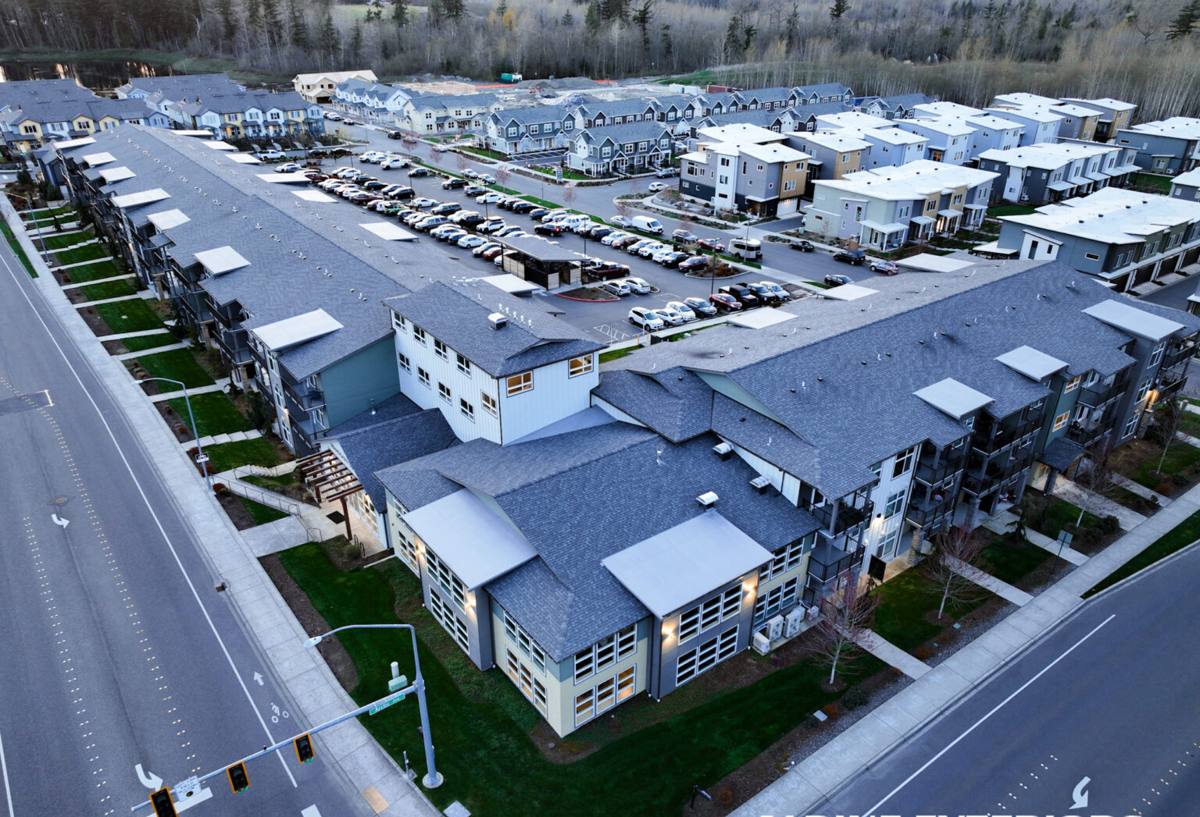
What Manatee County's Climate Does to Windows Over Time
Every window installed in this region is fighting a slow, constant battle against four things:
- UV exposure: Florida's sun is intense nearly year-round. UV breaks down vinyl frames, dries out and cracks sealants, and can discolor or weaken glazing components long before a window's expected service life is up.
- Wind-driven rain: Storms here rarely come in gently. Rain driven sideways by wind will find any weak point in flashing, sealant, or the window-to-wall connection — and once water gets behind a window, the damage is often hidden until it shows up as rot, mold, or a stained wall.
- Salt air: Being close to the coast means airborne salt settles on and around window components. Over time it accelerates corrosion on hardware, hinges, and lower-grade aluminum framing, and it can pit or cloud certain finishes.
- Hurricane-force wind loads: Even homes that never take a direct hit still experience repeated high-wind events over their lifetime. Windows and their installation have to hold up structurally to pressure and, in many cases, resist wind-borne debris.
None of these forces act alone — they compound. A window with a marginal seal might survive UV degradation for years, but once wind-driven rain finds that same weak seal, deterioration speeds up fast.
Signs a Mill Creek Home's Windows Are Overdue for Replacement
Homeowners often wait too long simply because window failure is gradual, not sudden. Watch for:
- Fogging or a hazy film between panes of double-pane glass — a sign the seal has failed
- Windows that are hard to open, close, or lock, especially after humid weather
- Noticeable drafts or a whistling sound during windy conditions
- Water staining, soft spots, or discoloration on the wall or sill below a window
- Steadily climbing cooling bills without any other explanation
- Visible pitting, chalking, or corrosion on the frame or hardware
- Condensation forming on the inside of the glass regularly
Any one of these can be a minor issue. Several together, especially on a home that hasn't had its windows addressed in a decade or more, usually means it's time for a proper evaluation rather than another round of caulk and patchwork.
What a Correct Window Installation Actually Involves
Swapping an old window for a new one sounds simple, but the installation — not just the product — is what determines whether that window performs for twenty years or starts leaking in two. A correct installation includes:
Removing the old window properly
This means inspecting the rough opening for hidden rot, water damage, or structural issues once the old unit is out — problems that are invisible until the window is removed. Any damaged framing or sheathing gets addressed before a new window ever goes in. Installing over a compromised opening just locks the problem behind a fresh finish.
Water management, not just sealant
A sill pan and proper flashing sequence directs any water that gets past the window itself back out, rather than letting it pool at the sill or migrate into the wall cavity. Caulk alone is not a water management system — it's a single line of defense, and in wind-driven rain conditions, a single line of defense isn't enough.
Correct fastening and shimming
Windows have to be shimmed level, plumb, and square, then fastened according to the manufacturer's specifications and local code requirements for wind load. Skipping or shortcutting this step is one of the most common causes of premature window failure — not because the window itself was bad, but because it was never installed to perform the way it was engineered to.
Insulation and air sealing around the frame
The gap between the window frame and the rough opening needs to be insulated and air-sealed correctly — not overpacked with expanding foam (which can bow the frame) and not left open (which causes drafts and energy loss).
Interior and exterior finish work
Trim, sealant beads, and paint or caulk lines should be finished cleanly on both sides, with compatible sealants for the substrate involved. Mismatched or incompatible sealants break down faster in this climate's heat and UV.
Choosing the Right Windows for a Mill Creek Home
There's no single "best" window for every home — it depends on the home's exposure, budget, and how the homeowner wants to handle storm protection. Here's how the common options generally compare in this climate:
| Option | Salt-air / corrosion resistance | Maintenance | Storm protection approach |
|---|---|---|---|
| Vinyl frame, impact-rated glass | Very good — won't corrode | Low | Built-in; no separate shutters needed |
| Aluminum frame, impact-rated glass | Good with quality finish; watch hardware | Moderate | Built-in; slimmer sightlines |
| Standard (non-impact) glass with shutters or panels | Depends on frame material | Higher — shutters must be deployed and maintained | Requires action before every storm |
| Fiberglass frame, impact-rated glass | Very good | Low | Built-in; strong dimensional stability |
We generally steer homeowners toward impact-rated glass over a shutter-dependent setup for full-time residences, simply because it protects the home whether or not anyone is around to put up shutters before a fast-moving storm. That said, shutters paired with standard glass remain a legitimate, lower-upfront-cost option for some budgets, and we'll walk through the honest trade-offs for your specific home rather than push one option across the board.
Our Installation Process
- On-site evaluation: We look at your existing windows, framing condition, exposure, and what's actually causing any current problems before recommending anything.
- Product and options review: We go over frame material, glass options, and pricing in plain terms, with no pressure to upsell beyond what your home needs.
- Measuring and ordering: Precise measurements matter — a window that's even slightly out of tolerance compromises the whole installation.
- Permitting: We handle the paperwork required for your project under Manatee County's process.
- Removal and opening inspection: Old windows come out, and we check the rough opening for hidden damage before proceeding.
- Installation: Sill pan, flashing, shimming, fastening, insulation, and sealing — done in sequence, to spec, not shortcuts.
- Finish work and walkthrough: Interior and exterior trim and sealant finished cleanly, then a final walkthrough so you can see and operate every window before we consider the job done.
- Final inspection: Coordinated as required so the work is documented and signed off.
Permits and Local Code in Manatee County
Window replacement in Bradenton and throughout Manatee County typically requires a permit, and the installed windows need to meet the wind and impact requirements that apply to our region under the Florida Building Code. Requirements can vary based on a home's specific wind exposure and design pressure, which is part of why the evaluation step matters — the right window and installation method depend on the specifics of your home, not a generic assumption. We manage the permitting process as part of the job so you're not left tracking down paperwork or scheduling inspections on your own.
Why Hiring a Crew That Already Works in Mill Creek Matters
Window installation quality comes down to the crew doing the work, not just the product on the label. A contractor who regularly works in and around Mill Creek and the broader Bradenton area has a practical advantage: familiarity with the range of home ages and construction types common to this part of Manatee County, working knowledge of the local permitting process, and a track record that neighbors and repeat customers can actually vouch for. That local familiarity translates into fewer surprises during the job — and a straighter path from estimate to a finished installation you don't have to think about again.
What to Ask Before You Hire a Window Installer
- Are you licensed and insured to perform this work in Manatee County?
- Will you pull the permit, and is that included in the quote?
- What glass and frame options do you recommend for my home's exposure, and why?
- Does your installation include a sill pan and proper flashing, or just sealant?
- What's the manufacturer's warranty, and what's your own workmanship warranty?
- Will you inspect the rough opening for hidden damage before installing?
- Can you give a realistic timeline, including permitting and inspection?
- Do you have experience working on homes in this specific area?
A contractor who answers these clearly and without hesitation is generally one worth trusting with the job. Vague answers on flashing, permitting, or warranty terms are a red flag worth pressing on.
Get a Free, No-Pressure Estimate
If your Mill Creek home's windows are showing their age, or you're planning ahead for hurricane season, we're happy to take a look and give you an honest assessment — no obligation and no pressure. Use the form below to request a free estimate, and we'll walk you through what your home actually needs.