 Bradenton Window
 Decking Built for Anna Maria Island Conditions
Anna Maria Island sits right on the Gulf, which means every outdoor structure on the island lives in a harsher environment than a deck ten miles inland in Bradenton or Lakewood Ranch. Salt-laden air, near-constant sun, wind-driven rain off the Gulf, and the occasional direct hit from a tropical system all work on a deck at the same time. A deck that looks fine on day one but wasn't specified or installed for these conditions usually shows problems within a couple of seasons — fading, board movement, corroding fasteners, or a substructure that's rotting quietly underneath a surface that still looks okay.
We're a Bradenton-based crew that works on the island regularly, so this isn't theoretical for us. We know which details matter here and which ones are optional inland but not optional on a barrier island.
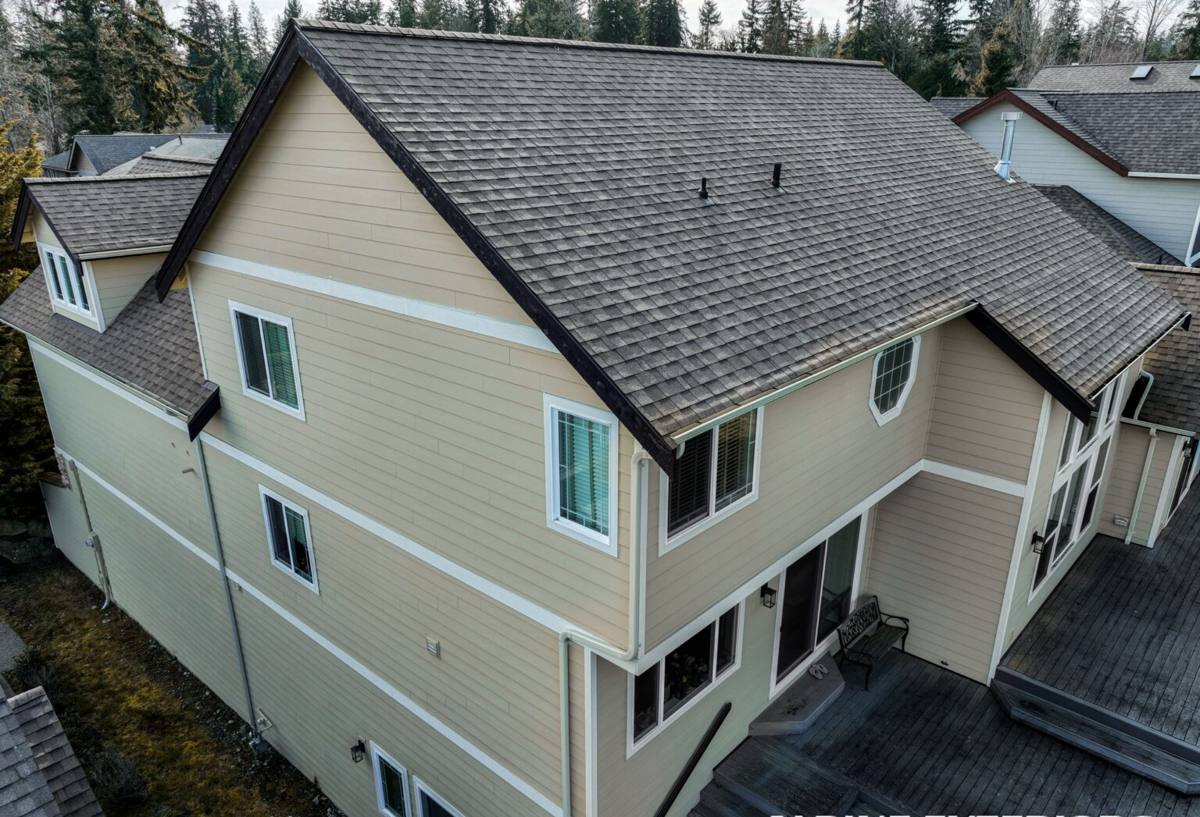
What Manatee County's Coastal Climate Does to a Deck
Salt Air and Corrosion
Salt in the air accelerates corrosion on anything metal — fasteners, joist hangers, brackets, railing hardware. On the mainland side of Bradenton this is a slow background problem. On Anna Maria Island, with Gulf breezes moving salt air across every property, it's a front-line issue. Standard exterior-grade screws and hardware can start showing rust and pitting well before they would in a non-coastal setting, and once fasteners degrade, the structural connections they hold are compromised even if the decking above looks fine.
UV Exposure
Florida sun is intense year-round, not just in summer. UV breaks down the color and surface integrity of lower-grade composite and unprotected wood alike. Cheaper composite boards without a real cap layer can fade unevenly, chalk, or go brittle at the surface faster than their warranty language suggests.
Wind-Driven Rain and Moisture Cycling
Island storms don't just drop rain straight down — wind pushes it sideways and underneath structures, into end grain, fastener holes, and any gap where water can sit. Decking on the island goes through more frequent wet-dry cycling than a shaded inland deck, and that cycling is what causes warping, cupping, and substructure rot over time if the materials and drainage details aren't right.
High Wind Events
Hurricane-force wind isn't a once-a-decade abstraction here — it's a real design load. Railings, stair connections, and ledger attachments all need to be installed to hold up under uplift and lateral force, not just look sturdy on a calm day.
Why Composite Makes Sense for This Location
We're not going to tell you wood decking is a bad product everywhere — it isn't. But on Anna Maria Island specifically, wood asks for a level of ongoing maintenance (sealing, sanding, spot-treating for moisture and insect damage) that most homeowners with an island property, especially a second home or rental, don't want to keep up with on a strict schedule. Composite decking, when it's a quality capped product installed correctly, handles the salt-air and UV combination with far less upkeep — no annual sealing, no sanding, no staining.
That said, composite isn't maintenance-free, and we'll say that plainly rather than oversell it. It needs periodic washing to keep salt film and organic growth from building up on the surface, and the substructure underneath — whatever the decking material — still needs to be built to resist moisture and corrosion. The decking board is only as good as what it's fastened to.
What a Correct Composite Installation Involves Here
- Pressure-treated or coastal-rated substructure lumber, not standard-grade framing lumber
- Stainless steel or coated/coastal-rated fasteners and joist hangers throughout — not standard zinc hardware
- Proper joist spacing for the specific composite board being used (composite often requires tighter spacing than wood)
- Ventilation and drainage gaps built into the substructure so water doesn't pool and sit under the deck
- Hidden fastener or clip systems where the product allows, to reduce surface penetration points
- Railing and stair connections rated for wind uplift, not just fastened for looks
- Expansion gaps sized correctly for Florida's heat swings, since composite expands and contracts more than people expect
Comparing Decking Materials for an Anna Maria Island Property
| Material | Salt/UV Performance | Maintenance | Typical Lifespan Here |
|---|---|---|---|
| Capped composite | Strong — cap layer resists fading and moisture absorption | Periodic washing, no sealing/staining | Long-term, backed by manufacturer warranty |
| Uncapped/lower-grade composite | Weaker — surface can fade, chalk, or absorb moisture at cut edges | Low but more prone to visible wear | Shorter than capped product, especially on unshaded decks |
| Pressure-treated wood | Moderate — needs protection to hold up to salt and sun | Regular sealing/staining, more frequent inspection | Shorter without a strict maintenance routine |
| Tropical hardwood | Good natural density but still needs UV protection | Periodic oiling to prevent graying and checking | Long-term with consistent upkeep |
There's no single "right" material for every homeowner — budget, how often the property is used, and whether it's a full-time residence or a rental all factor in. What we won't do is put a low-grade, uncapped composite on a Gulf-front or near-Gulf property and call it a coastal-ready deck. If a homeowner wants that option knowing the trade-offs, that's their call to make with full information, not something we'll present as equivalent to a properly capped product.
Our Process for Island Decking Projects
1. On-Site Assessment
We look at the existing structure (if there is one), the sun and wind exposure of the specific spot on the property, drainage around the foundation, and how close the deck sits to open water or salt spray. A deck tucked behind the house with some tree cover faces a different exposure profile than one facing the Gulf directly, and we plan the substructure and hardware choices accordingly.
2. Material and Layout Discussion
We walk through composite board options, color and grain choices, and railing systems, and we're straightforward about cost differences between grades of product. We'd rather a homeowner choose a slightly smaller deck footprint in a quality capped composite than a larger deck in a product that won't hold up to island conditions.
3. Permitting
Manatee County and any applicable island municipal requirements apply to most deck construction and reconstruction projects, especially where structural changes, railings, or electrical are involved. We handle the permitting process as part of the job so the work is documented and inspected correctly — that documentation also matters for insurance and resale down the line.
4. Demolition and Substructure Work (if applicable)
For a rebuild, we remove old decking and inspect the substructure underneath. This step catches a lot — hidden rot, corroded hardware, or framing that was never adequate for coastal exposure in the first place. We don't cover over problems we find; we bring them to the homeowner before proceeding.
5. Installation
Substructure first, with coastal-rated hardware and correct spacing, then decking, then railings and stairs, with attention to fastener spacing, expansion gaps, and drainage at every stage.
6. Final Walkthrough
We walk the finished deck with the homeowner, cover basic care (cleaning frequency, what not to do — like dragging heavy furniture or using pressure washers set too aggressively), and make sure warranty paperwork is in hand.
Why a Crew That Already Works the Island Matters
A contractor who mostly works inland Bradenton or Sarasota neighborhoods can still build a technically fine deck — but if they're not used to island logistics and conditions, small things get missed: material choices that look fine on paper but weren't chosen with the level of salt exposure in mind, hardware substitutions that save money but not amount to coastal-grade, or scheduling that doesn't account for bridge traffic, parking limitations, or tighter lot access that's common on the island.
We schedule and staff island jobs knowing these realities up front, and we've built enough of these decks to know which hardware and board specs actually hold up here versus which ones are marketed as "coastal" without much behind the claim.
Signs an Existing Deck Needs Attention
- Soft, spongy, or springy spots when you walk across the deck
- Visible rust streaking around screws, brackets, or railing posts
- Boards that have cupped, warped, or separated at the seams
- Railings that flex or feel loose when pushed
- Fading or chalking concentrated on the sun-facing side
- Gaps opening up between the deck and the house at the ledger board
- Any standing water or slow-draining spots after rain
If a deck on your Anna Maria Island property shows any of these, it's worth an inspection before it becomes a safety issue rather than a cosmetic one — coastal corrosion tends to work on the connections you can't see before it shows up in the boards you can.
Cost Factors Homeowners Should Understand
Composite decking costs more upfront than pressure-treated wood, and capped composite costs more than uncapped. On an island property, several factors push the estimate beyond a simple per-square-foot number:
| Factor | Why It Affects Cost |
|---|---|
| Substructure condition | Rot or corrosion found during demo means added framing and hardware work |
| Height and railing complexity | Elevated decks and multi-level railings require more structural engineering and hardware |
| Access and site conditions | Tight island lots can limit material staging and equipment access |
| Hardware grade | Coastal-rated stainless fasteners and connectors cost more than standard hardware but are not optional here |
| Permitting scope | Structural rebuilds and railing changes typically require more permitting than a straight resurface |
We give homeowners a real number after seeing the site, not a phone-quote estimate that gets revised upward once demo starts. Surprises during a coastal deck project are almost always substructure-related, which is exactly why we inspect before quoting final scope.
Get an Honest Estimate
If you're planning a new deck or looking at replacing one that's showing its age on Anna Maria Island, we're glad to come take a look and give you a straight assessment — what shape the current structure is in, what materials make sense for your specific spot and budget, and a real cost range. There's no pressure and no obligation. Use the form below to request a free estimate.