 Bradenton Window
 Roofing in Braden River Isn't Roofing Everywhere Else
A shingle roof in Braden River works harder than the same roof would almost anywhere inland. Between hurricane-season wind loads, near-constant UV exposure, wind-driven rain that finds every weak seam, and the slow corrosive drip of salt air off the Gulf and Tampa Bay, this part of Manatee County asks more of a roof system than most manufacturers' warranties assume. That doesn't mean asphalt shingles are the wrong choice here — they're still one of the most cost-effective, widely available, and repairable roofing materials on the market. It means the installation has to account for local conditions from the first nail, not just meet the minimum code requirement.
Homeowners here often run into the same pattern: a roof that looks fine from the ground but is losing granules, curling at the edges, or has fasteners backing out where wind uplift has been working on it season after season. Left alone, small issues like these turn into leaks, decking damage, and insurance headaches. Roofing done right in this area is less about the shingle brand on the wrapper and more about how the whole system — deck, underlayment, flashing, ventilation, and fastening — is put together to handle wind and water together, not just one or the other.
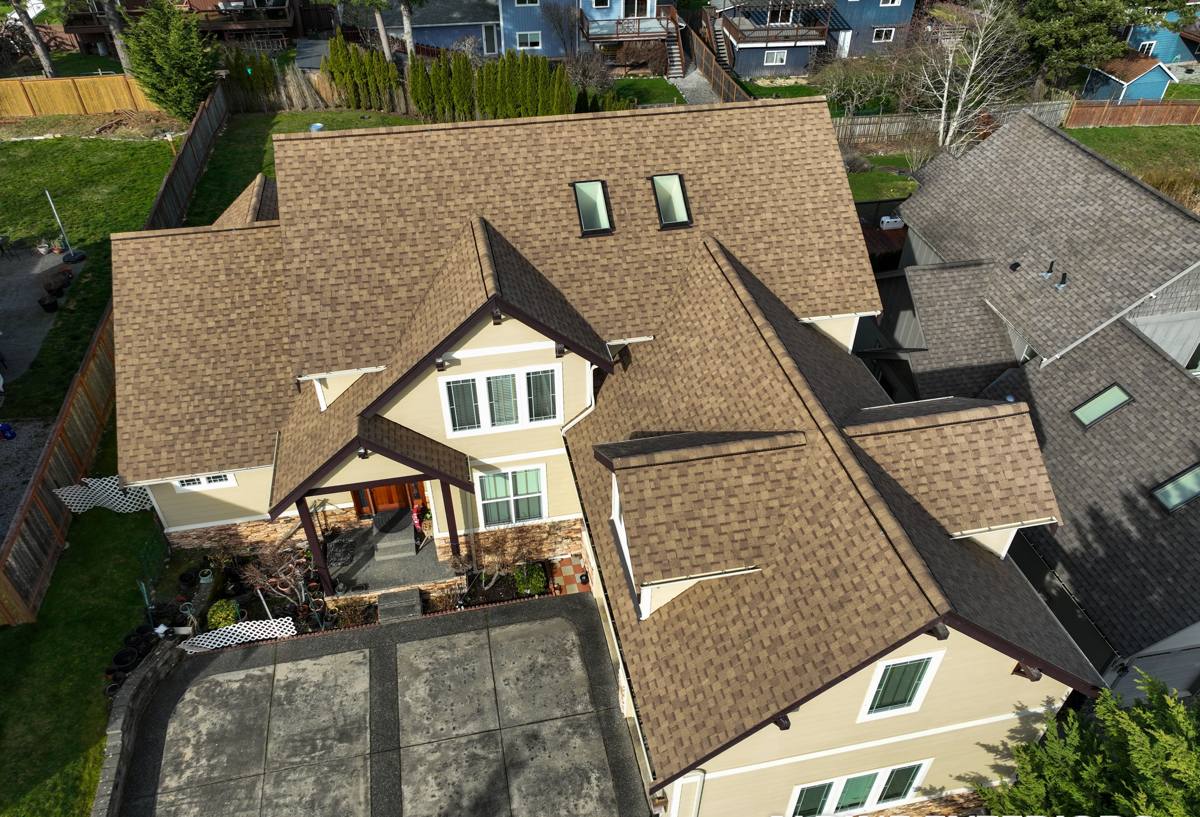
What a Correctly Installed Shingle Roof Actually Involves
Asphalt shingles are a system, not a single product. The shingle itself is the visible layer, but the components underneath it do most of the work of keeping a Braden River home dry and intact through storm season.
Underlayment and Deck Prep
Before a single shingle goes down, the roof deck gets inspected for soft spots, delamination, and fastener pull-through — all common in older Florida homes where humidity has had decades to work on the plywood. Any damaged sheathing gets replaced, not covered over. On top of that, a synthetic or self-adhering underlayment provides the actual water barrier; the shingles above it are the first line of defense, but the underlayment is what keeps a home dry if wind-driven rain gets past them, which it eventually will during a strong storm.
Nailing Pattern and Wind Performance
Most shingle roofs that fail in high wind didn't fail because the shingle itself was defective — they failed because of an incorrect nailing pattern, nails driven at the wrong angle, or too few fasteners per shingle. Florida Building Code sets minimum fastening requirements for a reason. In wind-exposed areas like Braden River, we treat those minimums as a floor, not a target, and pay close attention to fastener placement at eaves, rakes, and ridge lines where uplift pressure concentrates first.
Flashing Details
Valleys, chimneys, skylights, and wall-to-roof transitions are where the overwhelming majority of shingle roof leaks actually start — not in the open field of the roof. Properly formed and sealed flashing at these transitions matters more to long-term watertightness than almost any other single detail.
Ventilation
A hot, poorly ventilated attic shortens shingle life by baking them from underneath and accelerating the breakdown of asphalt oils. Balanced intake and exhaust ventilation keeps attic temperatures in check, which protects both the shingles and the energy efficiency of the home below them.
Choosing a Shingle for Braden River's Climate
Not every asphalt shingle product is built to the same standard, and the differences matter more here than in a milder climate. The table below outlines the general categories homeowners in this area typically weigh against each other.
| Shingle Type | Typical Wind Rating | Expected Lifespan Locally | Best Suited For |
|---|---|---|---|
| 3-Tab Asphalt | Up to ~60-70 mph | 12-18 years | Budget-conscious replacements on lower-exposure roof planes |
| Architectural (Laminate) | Up to ~110-130 mph, rated by product | 20-25 years | Most Braden River homes; better wind performance and appearance |
| Impact-Rated (Class 4) | High wind + impact resistance rating | 25-30 years | Homes seeking maximum storm durability and potential insurance credit |
Wind ratings listed on shingle packaging assume correct installation — an architectural shingle installed with a poor nailing pattern will not perform to its rated wind speed. This is why the installation itself is at least as important as the product choice. We'll walk through the honest trade-offs of each option — upfront cost, expected lifespan in this climate, and any insurance considerations — before recommending one for your specific roof.
How We Approach a Braden River Roofing Job
1. Inspection and Honest Assessment
Every job starts with a full roof inspection, not just a look at the shingles. We check the deck, flashing, ventilation, and any areas showing granule loss or wear, and we tell you plainly whether you're looking at a repair, a partial re-roof, or a full replacement — we don't upsell a full roof when a repair will genuinely hold.
2. Tear-Off and Deck Repair
When a full replacement is warranted, old material comes off down to the deck so we can actually see what's there. Any compromised sheathing is replaced before new underlayment goes down — installing new shingles over a weak deck just hides a problem instead of fixing it.
3. Installation and Quality Control
Underlayment, flashing, and shingles go on following manufacturer specifications and Florida Building Code wind requirements for this area, with attention to the fastening and flashing details described above. We check our own work at each stage rather than catching problems after the roof is closed up.
4. Final Walkthrough and Cleanup
The job isn't done when the last shingle is nailed. We walk the property for stray debris and nails, do a final check of ridge lines and flashing, and go over the finished roof with you before we consider the job complete.
Signs Your Braden River Roof Needs Attention
Because sun and salt air work on shingles gradually, many homeowners don't notice a problem until it shows up as a stain on a ceiling. Watch for these earlier warning signs:
- Granules collecting in gutters or at the base of downspouts
- Shingles that look curled, cupped, or are lifting at the edges
- Bald or shiny patches where granule coverage has worn thin
- Visible nail heads or fasteners backing out of the shingle surface
- Dark streaking or moss/algae growth, which holds moisture against the shingle
- Soft spots or sagging when walking the attic or viewing the roofline from the ground
- Daylight visible through the roof deck from inside the attic
- Missing shingles or exposed underlayment after a storm, even a minor one
Any one of these on its own may not be urgent, but a roof showing several of them at once is usually past the point where a simple repair will hold for long.
Permits, Wind Mitigation, and Insurance in Manatee County
Roofing work in Manatee County requires a permit, and inspections confirm the work meets Florida Building Code's wind-resistance provisions for this region. We handle the permitting process as part of the job rather than leaving it to the homeowner. A new roof installed to current code standards can also qualify for a wind mitigation inspection, which insurers use to calculate windstorm premium discounts — it's worth asking your insurance agent about this after a replacement, since the savings can offset part of the roof's cost over time. We're happy to provide the documentation an inspector or insurer typically asks for.
Maintaining a Shingle Roof Once It's On
A well-installed shingle roof still benefits from basic upkeep in this climate:
- Keep gutters and downspouts clear so water isn't backing up under the shingle edge
- Trim overhanging branches that drop debris or hold moisture against the roof
- Have the roof looked at after any major storm, even if nothing looks obviously wrong
- Address small leaks or missing shingles promptly rather than waiting for the next inspection cycle
- Keep attic ventilation clear of insulation blocking soffit vents
None of this requires a large annual budget — it's mostly about catching small issues before humidity and wind turn them into bigger ones.
Why Local Experience in Braden River Matters
A roofing crew that regularly works in this part of Bradenton already understands the wind exposure, humidity, and salt-air conditions specific to the area, along with the permitting and inspection process in Manatee County. That familiarity shows up in the details — the fastening schedule used, the flashing approach at valleys and penetrations, and the shingle products recommended for a given roof's exposure. It also means faster response after a storm, when timing matters most for preventing further water damage. A roof is one of the largest investments in a home, and in a climate like this one, how it's installed matters just as much as what it's made of.
If your roof is showing wear, due for replacement, or you just want an honest read on its current condition, we're glad to take a look. Reach out for a free, no-pressure estimate using the form below — we'll assess the roof, walk you through your options, and give you a straightforward answer, no upsell attached.