 Bradenton Window
 Longboat Key Roofs Work Harder Than Most
Longboat Key sits on a narrow barrier island between Sarasota Bay and the Gulf of Mexico, and that location changes what a roof has to deal with compared to a home a few miles inland in Manatee County. Salt-laden air moves across every roof surface here every single day, sun exposure is nearly constant, and when a tropical system or a strong summer squall rolls through, wind-driven rain comes at the roof from angles that inland roofs rarely see. An asphalt shingle roof that would last two or three decades in a sheltered subdivision can wear out faster on Longboat Key if it wasn't installed with that exposure in mind.
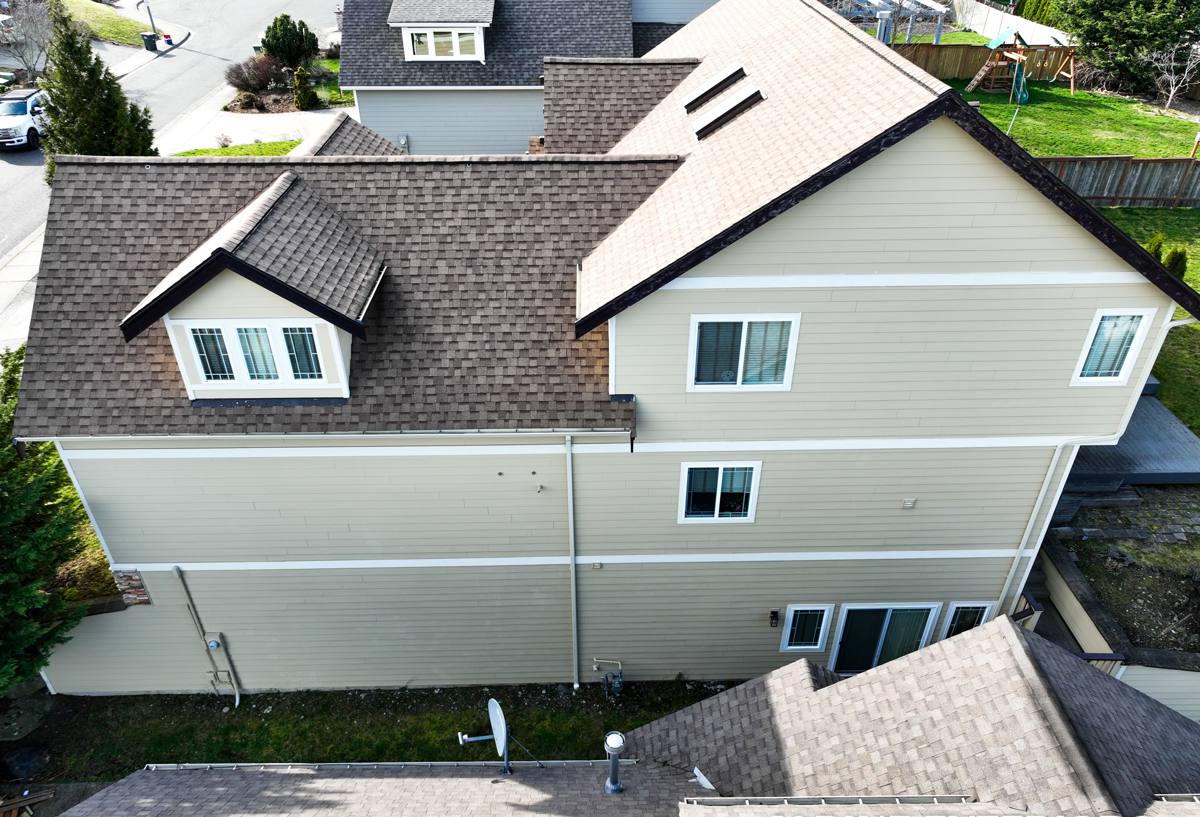
That doesn't mean asphalt shingles are the wrong choice for a barrier island home — they remain one of the most practical, cost-effective, and widely available roofing materials on the market, and modern shingle products are rated for high wind when installed correctly. The difference between a shingle roof that holds up on Longboat Key and one that fails early almost always comes down to the installation details, not the shingle bag itself.
What the Climate Actually Does to a Shingle Roof
Wind
Longboat Key homes are built for high wind exposure, and roofing has to match that standard. Shingles that aren't fastened to the manufacturer's high-wind specification are the first thing to lift, crack, or blow off in a strong storm — and once a few tabs go, wind gets underneath the field and the damage spreads fast.
UV
Florida's sun is intense year-round, not just in summer. UV exposure breaks down the asphalt in shingles over time, drying out the mat and causing the granules on the surface to shed. Granule loss is one of the earliest visible signs of a shingle roof aging past its useful life.
Wind-Driven Rain
Rain that comes in sideways during a storm doesn't behave like normal rainfall. It can work its way under shingle edges, around penetrations, and along ridge lines if the underlayment, flashing, and sealing details weren't done right the first time.
Salt Air
Airborne salt from the Gulf and the bay accelerates corrosion on any exposed metal — nail heads, flashing, vent stacks, and drip edge. On a barrier island roof, the metal components often need as much attention as the shingles themselves.
What a Correct Asphalt Shingle Job Involves Here
A roof that's built to hold up on Longboat Key isn't just "shingles nailed to plywood." It's a system, and every layer matters:
- Deck inspection and repair — any soft, delaminated, or water-damaged sheathing gets replaced before a single shingle goes down. Nailing shingles over a compromised deck is how roofs fail early.
- Underlayment — a synthetic or self-adhering underlayment rated for wind-driven rain, installed with proper overlap, gives the roof a second line of defense if wind ever forces water past the shingle layer.
- Starter strips — installed at eaves and rakes with factory adhesive facing the correct direction, not cut field shingles used as a substitute.
- Fastening pattern — nail count and placement matched to the shingle manufacturer's high-wind installation instructions, not just the standard pattern.
- Flashing — new metal flashing at valleys, walls, chimneys, and any roof-to-wall transition, corrosion-resistant and properly lapped with the underlayment and shingles.
- Ventilation — balanced intake and exhaust airflow so heat and moisture don't build up in the attic, which shortens shingle life from underneath.
- Sealed penetrations — every pipe boot, vent, and roof penetration properly flashed and sealed, since these are common points where wind-driven rain finds a way in.
Choosing the Right Shingle for a Barrier Island Home
Not every asphalt shingle product is built the same, and on Longboat Key the wind rating and warranty structure matter as much as the color and style. We walk homeowners through the realistic trade-offs rather than steering everyone toward the most expensive option.
| Shingle Type | Typical Wind Rating | Best Fit | Trade-Offs |
|---|---|---|---|
| Standard 3-tab | Lower wind rating tier | Budget-conscious projects, secondary structures | Thinner profile, shorter expected service life in high-exposure coastal conditions |
| Architectural (laminated) | Higher wind rating tier when properly installed | Most Longboat Key homes | Higher material cost than 3-tab, but better durability and appearance |
| High-wind / impact-rated architectural | Highest available wind rating tier | Homes wanting maximum wind performance and potential insurance credit | Highest upfront cost; confirm actual rating and required installation method with the manufacturer |
We only install shingles from manufacturers with a track record in Florida's coastal market, and we follow their published high-wind installation instructions to the letter — that's what keeps the manufacturer's wind warranty valid if you ever need to use it.
Our Longboat Key Roofing Process
- On-site inspection — we look at the deck, current roof condition, ventilation, and any trouble spots specific to the home before quoting anything.
- Honest scope and estimate — a clear breakdown of what's being replaced, what shingle and underlayment system we recommend, and why.
- Permitting — roofing work on Longboat Key and in Manatee County requires permits and inspections; we handle that process so the job is documented and code-compliant.
- Tear-off and deck check — full removal of the old roofing material and a hands-on check of the deck for damage before anything new goes down.
- Installation — underlayment, flashing, starter strips, shingles, and ridge components installed to the manufacturer's high-wind specification.
- Final walkthrough — we review the finished roof with the homeowner and make sure everything from ventilation to cleanup meets expectations.
Ventilation and the Parts of the Roof You Don't See
A shingle roof's visible surface only tells part of the story. Attic ventilation has a direct effect on how long shingles last, especially in Florida's heat. When hot, moist air gets trapped in an attic, it raises the temperature of the underside of the roof deck and accelerates aging of the shingles above it from the inside out. On Longboat Key homes, we check that intake vents (usually at the soffit) and exhaust vents (ridge or roof-mounted) are balanced and unobstructed, because a roof with poor airflow can show premature wear even if the shingles themselves are a quality product installed correctly.
The underlayment beneath the shingles is equally important and equally invisible once the job is done. It's the roof's backup layer — the thing standing between your attic and the weather if wind ever drives rain up under a shingle edge during a storm. We don't treat it as an afterthought.
Permitting, Wind Mitigation, and Insurance
Roofing work here isn't a handshake job — Manatee County and the Town of Longboat Key both require permits for roof replacement, and the finished work gets inspected. We handle the permitting process as part of the job so there's a clean paper trail if you ever sell the home or file an insurance claim.
It's also worth knowing that a properly documented, high-wind-rated shingle installation can factor into a wind mitigation inspection, which some insurers use to adjust windstorm premiums on Florida homes. We can't promise what any specific insurer will do with that paperwork, but we make sure the installation itself is documented well enough that the option is there.
Signs Your Longboat Key Roof May Need Attention
Coastal wear doesn't always show up as an obvious leak. Watch for these signs, especially after a summer storm season:
- Granules collecting in gutters or at downspout outlets
- Shingles that look curled, cupped, or raised at the edges
- Cracked or missing shingles after a windy day
- Rust staining around vent stacks, flashing, or nail heads
- Dark streaking or algae growth across the roof surface
- Soft spots or sagging noticeable when walking the roof line visually from the ground
- Higher-than-usual attic temperatures or musty odors inside the home
Any one of these on its own isn't necessarily an emergency, but on a barrier island roof it's worth having looked at before the next storm season rather than after.
Maintenance That Actually Extends the Life of the Roof
Asphalt shingle roofs on Longboat Key benefit from more frequent, lighter attention than the same roof would need inland. A visual check after major storms, keeping gutters and valleys clear of debris, and addressing small flashing or sealant issues before they become leaks all go a long way. We recommend homeowners have a coastal-experienced roofer take a look at least once a year, ideally before hurricane season, so small issues get caught while they're still small and inexpensive to fix.
Why a Crew That Already Works Longboat Key Matters
Roofing a home on a barrier island isn't the same job as roofing one ten miles inland, even though the materials look identical in the truck. A crew that already works Longboat Key knows what the salt air does to exposed fasteners over a few seasons, understands the local permitting process with the Town, and has seen firsthand how wind-driven rain finds the weak points in a roof system that wasn't built for it. That experience shows up in the small decisions made on the roof deck — how flashing gets lapped, where extra fastening makes sense, which details get double-checked before the shingles go on — decisions that don't show up on an estimate sheet but show up ten years later in whether the roof is still doing its job.
If you're weighing a new roof or a replacement for a Longboat Key property, we're happy to take a look and walk you through what we'd recommend and why — no pressure, no hard sell. Fill out the form below to request a free estimate.