 Bradenton Window
 Asphalt Shingle Roofing Built for Rosedale's Climate
Rosedale sits inland enough to feel a bit removed from the immediate coastline, but it is still very much a Manatee County neighborhood, and that means the same weather that batters homes closer to the water eventually finds its way here too. Hurricane-force winds during storm season, intense UV exposure nearly every day of the year, wind-driven rain that gets pushed sideways under poorly sealed shingles, and salt-laden air that corrodes metal components faster than most homeowners expect — all of it adds up over the life of a roof. An asphalt shingle roof that is installed correctly for this environment can hold up well for decades. One that is installed with shortcuts will show problems in years, not decades.
We work on roofs throughout Bradenton and the surrounding Rosedale area regularly, which means we are not guessing at what this climate does to a roof — we see it firsthand, on real homes, every season.
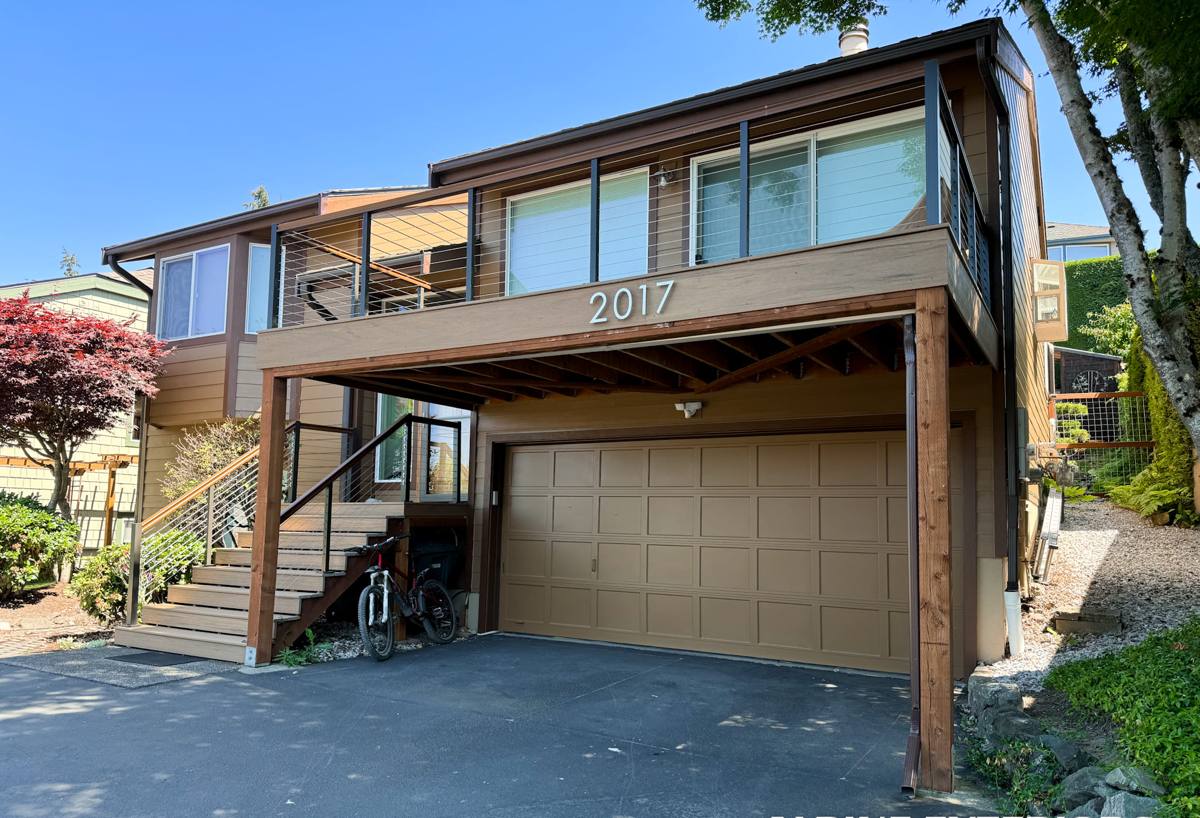
Why Rosedale Homes Need More Than a Standard Shingle Job
A lot of asphalt shingle installations across the country follow a generic playbook that works fine in milder climates. Florida's Gulf Coast is not a mild climate. Here is what actually matters for a Rosedale roof:
Wind Resistance
Manatee County building code requires specific wind-rated shingles and fastening patterns, and for good reason. Under-nailed or improperly patterned shingles are one of the most common causes of storm damage we see — not because the shingle itself failed, but because it was never secured the way the manufacturer and code require. Nail placement, nail count per shingle, and nail gun pressure all matter more than most homeowners realize.
UV Degradation
Florida sun is relentless. Asphalt shingles are engineered with granules that shield the underlying asphalt from UV breakdown, but that protection only works as long as the granules stay bonded and the shingle itself is a quality product rated for high-UV climates. Cheaper shingle lines can start losing granules and drying out years ahead of schedule.
Wind-Driven Rain
It is rarely the open field of shingles that leaks first — it is the edges, valleys, and penetrations. Wind-driven rain in a storm does not fall straight down; it gets pushed uphill under shingle tabs and around flashing. Correct underlayment, properly lapped flashing, and sealed penetrations are what keep water out when the wind is doing its worst.
Salt Air Corrosion
Even set back from the coast, salt-laden air carries and settles on exposed metal — nails, flashing, vent boots, and drip edge. Using corrosion-resistant fasteners and flashing materials is not an upsell; it is what keeps small metal components from failing years before the shingles themselves would otherwise need replacing.
What a Correct Asphalt Shingle Installation Involves
A shingle roof is a system, not just a layer of shingles nailed to plywood. Each layer does a specific job, and skipping or shortcutting any one of them undermines the whole system.
- Deck inspection and repair — soft, delaminated, or water-damaged decking gets replaced before anything goes down on top of it.
- Underlayment — a synthetic or felt underlayment layer that acts as the roof's secondary water barrier if wind ever drives moisture past the shingles.
- Ice-and-water-style membrane at vulnerable areas — valleys, eaves, and penetrations get extra protection where water is most likely to find a way in.
- Drip edge and flashing — metal edging and flashing around chimneys, walls, and roof-to-roof transitions, installed and lapped in the correct order relative to the underlayment.
- Starter strip — a proper starter course along the eaves and rakes so the first row of shingles has full wind and water resistance, not just the field courses above it.
- Shingle installation — correct nail count, placement, and pattern matched to the wind rating of the product and local code requirements.
- Ventilation — intake and exhaust ventilation sized correctly so the attic isn't trapping heat and moisture that shorten shingle life from underneath.
- Final detail work — pipe boots, vent flashing, and sealant at every penetration, checked individually rather than assumed.
Our Process, Start to Finish
1. On-Site Inspection and Honest Assessment
We start by getting on the roof, not just looking at it from the ground. We check the deck condition, existing ventilation, flashing details, and overall shingle wear, and we tell you plainly whether you're looking at a repair, a partial re-roof, or a full replacement. If a repair is the honest answer, that's what we recommend.
2. A Clear, Written Scope
You get a written explanation of what work is being done, which materials are being used, and why — not a vague line item. If there are options at different price points, we walk through the real trade-offs of each so you can make an informed decision.
3. Permitting and Code Compliance
Re-roofing in Manatee County requires a permit, and the work has to meet current wind-load and building code requirements. We handle this as a standard part of the job, not an afterthought.
4. Tear-Off and Deck Inspection
For a full replacement, we remove the old roofing down to the deck so it can be properly inspected. Hidden problems — soft spots, old damage, prior leaks — only become visible once the old material is off.
5. Installation, Layer by Layer
Underlayment, flashing, starter strip, field shingles, and ventilation go in, in the correct sequence, with attention to the details that actually determine how the roof performs in a storm five or ten years from now.
6. Final Walkthrough
We walk the finished roof and the site with you, confirm cleanup is complete, and make sure you understand what was done and what warranty coverage applies.
Why a Crew That Already Works Rosedale Matters
Roofing crews that mainly work in other climates — or that treat every job the same regardless of region — tend to miss the details that matter most here. A crew that regularly works Bradenton and Rosedale roofs already knows:
- What Manatee County's permitting and inspection process actually requires, so there are no surprises mid-project.
- How local wind exposure typically varies by lot orientation and roof pitch in this specific area.
- Which flashing and fastener grades hold up against salt air over time versus which ones start showing corrosion early.
- How local HOA or community guidelines, where they apply, tend to handle color and material approvals.
That familiarity shows up in fewer callbacks, fewer surprises during permitting, and a roof that's built for the conditions it will actually face — not a generic install dropped into a coastal climate.
Comparing Common Asphalt Shingle Options
Not every shingle product is built the same way, and the right choice depends on your budget, your roof's exposure, and how long you plan to stay in the home. Here's a general comparison of the common categories homeowners in this area choose between.
| Shingle Type | Typical Wind Rating | Relative Cost | Best Fit |
|---|---|---|---|
| 3-Tab (standard) | Lower end of code-compliant range | Lowest | Budget-conscious projects, shorter ownership horizon |
| Architectural / Dimensional | Mid-to-high, product dependent | Moderate | Most Rosedale homes — strong balance of durability, appearance, and cost |
| Impact-Rated / High-Wind | Highest available | Higher | Homeowners prioritizing storm resilience and potential insurance credits |
We'll help you weigh these against your specific roof, budget, and how long you're planning to be in the home — there's rarely one universally "right" answer.
Maintenance That Actually Extends Roof Life Here
A correctly installed shingle roof still needs basic upkeep in this climate. The habits that matter most:
- Keep gutters and valleys clear so water isn't pooling or backing up under shingle edges.
- After any major storm, do a visual check (from the ground, or have it checked) for lifted or missing shingles rather than waiting for a leak to show up inside.
- Trim back overhanging branches that can abrade shingle granules or drop debris into valleys.
- Have penetrations — vent boots, flashing, skylight seals — checked periodically, since these small components tend to fail before the shingles themselves do.
- Don't ignore small interior water stains; they're almost always cheaper to address at the source than after they've spread.
Cost Factors Worth Understanding
Every roof is different, but the main variables that drive cost on a Rosedale asphalt shingle project are generally the same:
- Roof size and complexity — number of valleys, hips, dormers, and penetrations all add labor and material.
- Deck condition — hidden decking damage found during tear-off can add scope that's impossible to quote sight-unseen.
- Shingle tier chosen — from standard 3-tab up through impact-rated products.
- Layers being removed — roofs with multiple existing layers take more labor to strip.
- Ventilation upgrades — adding or correcting attic ventilation as part of the project.
We give you an itemized, honest number after seeing the actual roof — not a rough guess based on square footage alone.
Get a Straight Answer About Your Roof
Whether your Rosedale roof needs a repair, a partial section replaced, or a full new shingle system built for Bradenton's wind, sun, and salt air, we're glad to take a look and give you an honest read on where things stand. Request a free, no-pressure estimate using the form below.