 Bradenton Window
 Bayshore Gardens Homes Take a Different Kind of Beating
Bayshore Gardens sits close to the water along the west side of Manatee County, and that proximity to Sarasota Bay shapes what siding has to survive here. Homes in this neighborhood deal with a combination most inland Florida communities don't see at the same intensity: salt-laden air moving in off the bay, near-constant humidity, punishing UV exposure almost every day of the year, and the real possibility of hurricane-force wind and wind-driven rain during storm season. Any siding material installed here is being asked to hold its color, its shape, and its seal against all four of those forces at once, year after year.
That's a tall order, and it's why siding choice and installation quality matter more in Bayshore Gardens than they would in a drier, calmer climate. Cutting corners on either one doesn't just shorten the lifespan of the siding — it opens the door to moisture intrusion behind the wall assembly, which in coastal Manatee County can turn into a much bigger and more expensive problem than a homeowner ever expected.
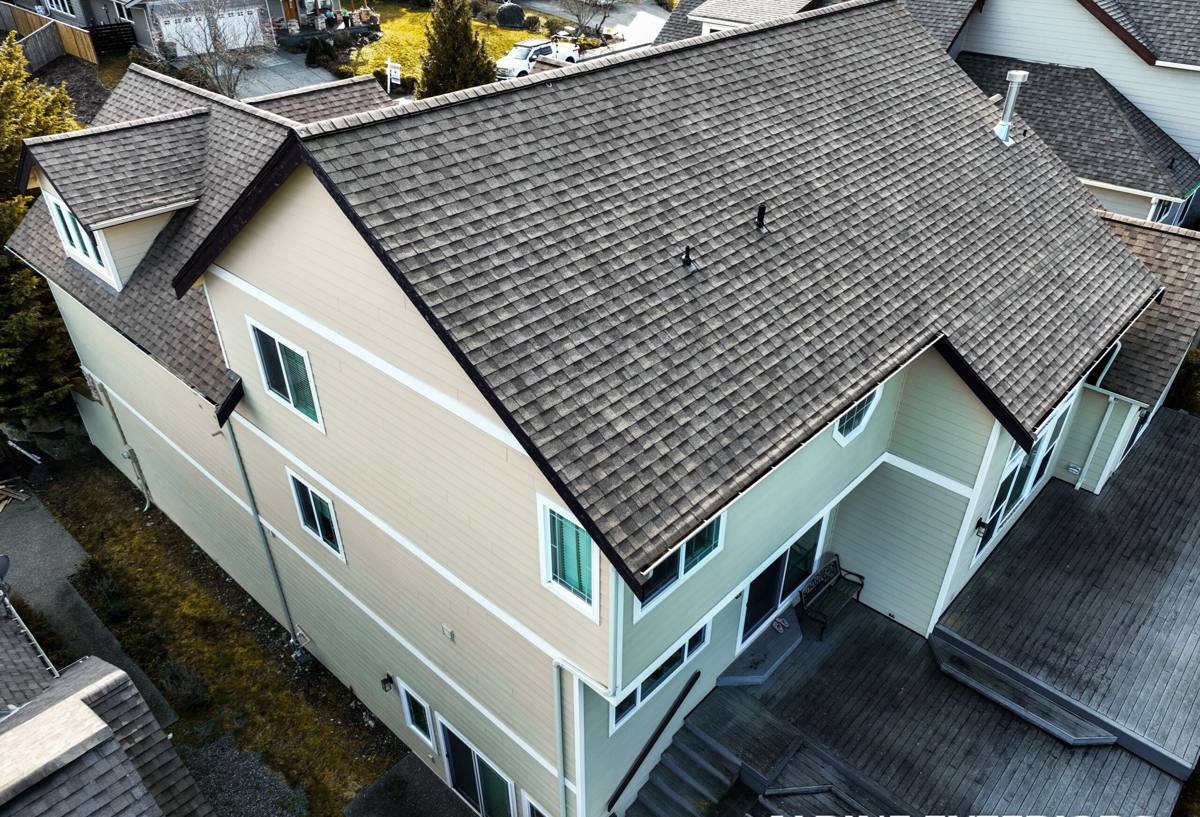
What Bayshore Gardens' Climate Actually Does to Siding
Salt Air and Humidity
Being close to the bay means airborne salt is a constant, low-level presence on exterior surfaces. Salt accelerates corrosion of fasteners and metal trim, and it works its way into porous or poorly sealed siding materials over time. Combined with Florida's humidity, it creates conditions that favor mold, mildew, and slow material breakdown on anything not engineered to resist it.
UV Exposure
Bradenton gets sun nearly every day of the year, and UV breaks down pigments and surface coatings faster than almost anywhere in the continental U.S. Siding with a weak factory finish will chalk, fade unevenly, or need repainting well before a homeowner expects to touch it again.
Wind-Driven Rain
Rain in this part of Florida rarely falls straight down. Tropical systems and seasonal storms push rain sideways under pressure, forcing water into any gap, seam, or fastener hole that wasn't properly flashed and sealed. This is where installation quality matters as much as the product itself — a great siding material installed with poor flashing details will still leak.
Hurricane-Force Wind
Manatee County is squarely in a hurricane-exposed wind zone. Siding has to stay fastened and intact under sustained high wind and wind-borne debris, not just look good on a calm day. Wind resistance is a function of the material, the fastening pattern, and the substrate it's attached to — all three have to be right.
Signs a Bayshore Gardens Home Needs New Siding
- Visible cracking, buckling, or warping, especially on sun-facing (south and west) walls
- Soft or spongy spots when you press on the siding, which usually means moisture has gotten behind it
- Paint that's peeling, bubbling, or needs recoating far sooner than it should
- Gaps opening up at seams, corners, or where siding meets trim, windows, or doors
- Visible fastener corrosion or streaking rust marks below nail heads
- A musty smell inside near exterior walls, which can point to hidden moisture damage
- Siding that's more than 20-25 years old and has never been fully replaced
Any one of these on its own might not be urgent. Several together, especially on a home exposed to prevailing wind and bay air, is a sign it's time for a real inspection rather than another round of caulk and paint.
Why We Only Install James Hardie Fiber Cement Siding
We install one siding product on Bayshore Gardens homes: James Hardie fiber cement. We don't install vinyl, LP SmartSide, Cemplank, Allura, or primed wood siding like spruce or cedar, and that's a deliberate standard, not a lack of options. Each of those alternatives has legitimate uses in other climates, but none of them hold up the way this region demands.
Vinyl siding softens and can deform in sustained high heat, and in a hurricane-wind zone its impact resistance and fastening system are simply a weaker match for storm exposure than fiber cement. Wood-based products, including engineered wood siding like LP SmartSide, are more vulnerable to moisture absorption and swelling — a real liability in a humid, salt-air environment where wall assemblies stay damp longer than they do inland. Primed wood species such as spruce or cedar require an ongoing maintenance commitment (recoating, resealing, pest monitoring) that most homeowners underestimate until they're years into ownership. Other fiber cement brands like Cemplank and Allura are closer competitors on paper, but we've standardized on James Hardie specifically for its factory-applied ColorPlus finish, its HZ5 product engineering for high-humidity climates, and the depth of its installation documentation and warranty backing.
James Hardie fiber cement is non-combustible, dimensionally stable in heat and humidity, and its ColorPlus finish is baked on at the factory under controlled conditions — a more durable and more UV-resistant result than field-applied paint. The HZ5 product line is specifically engineered for high-humidity, high-moisture climates like ours, which includes the Gulf Coast corridor Bayshore Gardens sits in. That's the product we stand behind, and it's the only one we put our name on.
How the Major Siding Options Compare in This Climate
| Material | Wind/Impact Performance | Moisture Behavior | UV/Color Stability | Long-Term Maintenance |
|---|---|---|---|---|
| James Hardie Fiber Cement (HZ5) | Strong, engineered for high-wind coastal use | Dimensionally stable, resists swelling | Factory ColorPlus finish resists fading | Low — no repainting cycle needed for years |
| Vinyl | Softer, can deform or crack under wind-borne debris impact | Doesn't absorb water but seams are leak-prone | Fades and chalks with heavy UV exposure | Low material upkeep, but limited repair options once damaged |
| Wood / Primed Spruce or Cedar | Moderate, dependent on fastening and species | Absorbs moisture, prone to swelling and rot in humidity | Requires repainting/resealing on a regular cycle | High — ongoing coating and pest maintenance |
| Other Fiber Cement (LP SmartSide, Cemplank, Allura) | Generally solid, varies by brand engineering | Varies — engineered wood products more moisture-sensitive | Field or factory finish depending on brand and line | Moderate, brand-dependent warranty and finish durability |
What Correct Siding Installation Actually Involves
The material is only half the equation. Even James Hardie siding will fail early if it's installed wrong, and in a wind-and-rain climate like Bayshore Gardens, the installation details are where most siding problems actually start.
Substrate and Moisture Barrier
Before a single piece of siding goes up, the wall sheathing needs to be sound and a proper weather-resistive barrier installed correctly — lapped and sealed so water sheds outward instead of getting trapped behind the siding.
Flashing at Every Penetration
Windows, doors, hose bibs, light fixtures, vents — every point where something interrupts the siding plane is a potential entry point for wind-driven rain. Proper flashing and sealant at each of these details is non-negotiable in this climate.
Fastening to Spec
James Hardie publishes specific fastening patterns and clearances for high-wind zones, and following them precisely is what gives the finished wall its rated wind performance. Fastener type matters too — corrosion-resistant fasteners are essential this close to the bay.
Proper Clearances and Gaps
Siding needs the correct gap at the bottom edge, at trim boards, and where it meets roofing or hardscaping, so water has somewhere to go instead of wicking up into the material or the wall below it.
Caulking and Joint Treatment
Butt joints, corners, and trim transitions all need the right sealant, applied correctly, to stay watertight through repeated wet-dry cycles and thermal movement over the years.
Our Process for Bayshore Gardens Homes
- On-site inspection — we assess the current siding, wall condition, and any moisture or structural issues before recommending anything.
- Product and color selection — we walk through James Hardie lines and ColorPlus finishes suited to coastal exposure and the look you want.
- Detailed estimate — a clear, itemized scope so you know exactly what's being done and why.
- Tear-off and substrate check — old siding comes off and we inspect sheathing for hidden rot or moisture damage before covering it back up.
- Weather barrier and flashing — installed and sealed to manufacturer spec at every penetration.
- Siding installation — fastened to James Hardie's wind-zone specifications with proper clearances throughout.
- Final walkthrough — we go over the finished job with you before calling it done.
Why Hiring a Crew That Already Works Bayshore Gardens Matters
Siding installation isn't a generic skill applied the same way everywhere. A crew that regularly works Manatee County's coastal neighborhoods already understands the wind-zone fastening requirements local building conditions call for, has a feel for how quickly salt air and humidity show up as problems if flashing details are skipped, and knows what tends to go wrong on homes exposed to bay-side weather. That local pattern recognition is hard to replace, and it's the difference between a siding job that looks right at handoff and one that actually holds up through the next decade of Gulf Coast storm seasons.
It also means faster, more accurate estimates. When a contractor has already seen dozens of homes with similar exposure, construction age, and wall conditions in the same area, they can spot issues and scope the job correctly the first time instead of discovering surprises mid-project.
Cost Factors for Bayshore Gardens Siding Projects
| Factor | Why It Affects Cost |
|---|---|
| Home size and wall complexity | More square footage and more corners, gables, or dormers mean more material and labor |
| Current substrate condition | Rotted or moisture-damaged sheathing found during tear-off needs repair before new siding goes on |
| James Hardie product line and finish | Plank profile, texture, and ColorPlus color selection affect material pricing |
| Trim and detail work | Window and door trim, corner boards, and soffit work add labor time |
| Accessibility | Two-story sections, tight lot lines, or landscaping obstacles can affect labor and equipment needs |
We don't quote a job without seeing it. Broad ranges you might hear elsewhere rarely account for what's actually happening behind the existing siding, and that's exactly the kind of surprise a proper inspection is meant to catch before work starts, not during it.
Get a Straight Answer About Your Siding
If your Bayshore Gardens home is showing any of the warning signs above, or you're simply due for a replacement given the age of your current siding, we're glad to take a look. We'll give you an honest read on what's going on, what it would take to fix it right, and a clear, no-pressure estimate for James Hardie siding installed to the standard this climate actually requires. Use the form below to request your free estimate.