 Bradenton Window
 Why Bayshore Gardens Roofs Take a Different Kind of Beating
Bayshore Gardens sits close enough to Sarasota Bay that its homes catch the full range of what Gulf Coast weather can throw at a roof. That's a different exposure profile than a home ten miles inland, and it changes what "storm damage" actually looks like on a house here. It's not just the named storms. It's the accumulation — hurricane-force wind events, months of intense subtropical UV, wind-driven rain that gets pushed sideways into places a roof was never designed to shed water from, and salt-laden air that quietly corrodes metal fasteners and flashing year-round.
A roof in this part of Manatee County is working against all of that simultaneously, not just during hurricane season. That's why a storm damage repair here needs to account for cumulative wear, not just the damage from the last storm event. A shingle that lifted in a recent wind event may already have been weakened by months of UV exposure and salt air corrosion on the nails holding it down. Treating the visible damage without accounting for what led to it is how homeowners end up calling a repair crew back out after the next storm.
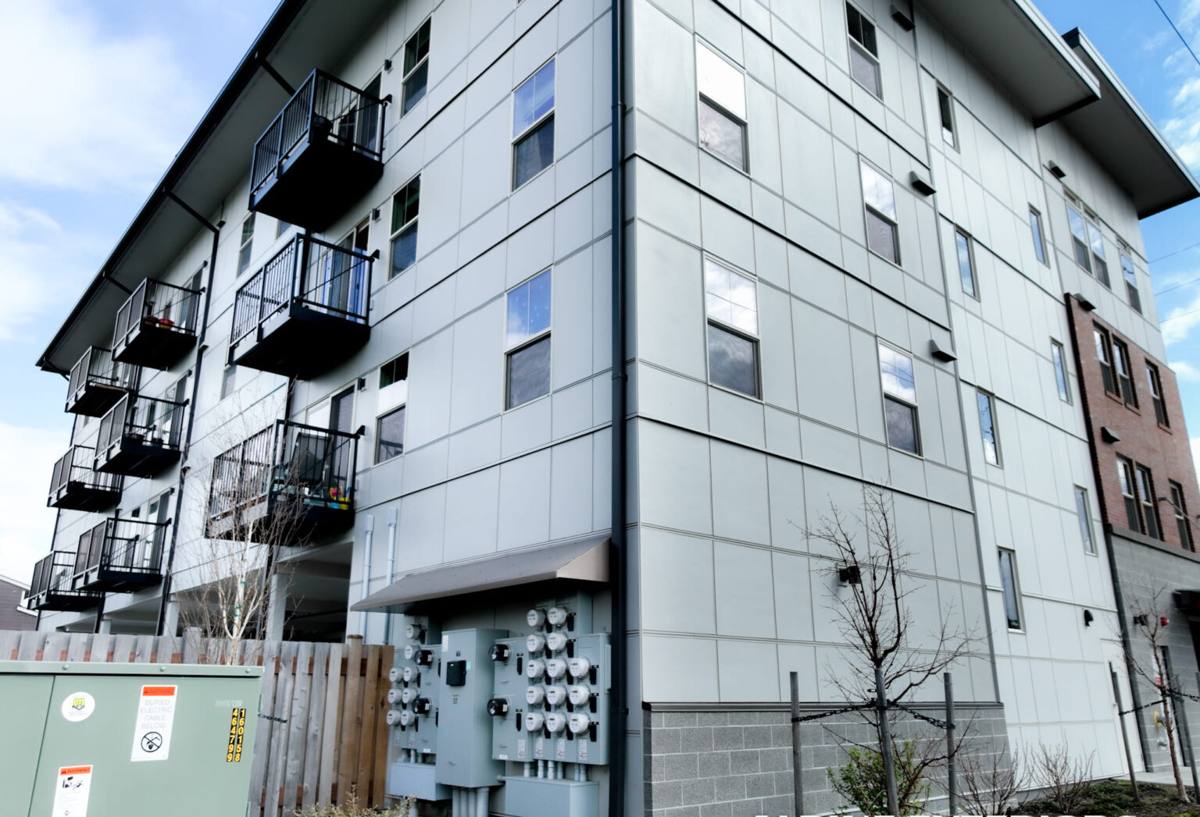
Common Storm Damage We Find on Homes in This Area
Wind-Lifted and Missing Shingles
Sustained wind and gusts during storm events get up and under shingle tabs, especially on roofs where the sealant strip has already weakened from sun exposure. Once a few shingles lift or tear off, the exposed underlayment and roof deck are directly exposed to the next rain event.
Granule Loss and UV-Weakened Shingles
Florida's year-round sun accelerates asphalt shingle aging faster than it does in most of the country. Storm winds and hail-free but heavy rain events knock loose granules that are already sitting on brittle, sun-baked shingles. Granule loss isn't just cosmetic — it's the shingle's UV protection layer, and once it's gone, the mat underneath degrades faster.
Flashing and Penetration Failures
Flashing around chimneys, vent pipes, and roof-to-wall transitions is where most wind-driven rain leaks actually originate, not the field of the roof itself. Salt air speeds up corrosion on metal flashing and fasteners, and a flashing seal that was marginal before a storm often fails completely during one.
Soffit, Fascia, and Ventilation Damage
Wind uplift frequently damages soffit and fascia before it damages the roof field, because those components take the brunt of the pressure change at the roof edge. Damaged soffit venting also lets wind-driven rain into the attic even when the shingles above look intact.
Hidden Interior Leaks
Not all storm damage shows up as a visible hole. Wind-driven rain can be forced under intact-looking shingles or through a compromised seal and travel along the deck before it shows up as a ceiling stain, sometimes feet away from the actual entry point.
What a Correct Storm Damage Repair Actually Involves
A repair that holds up through the next storm season involves more than patching the spot that's visibly leaking. Here's what we consider a complete job:
Full Roof Inspection, Not a Spot Check
We inspect the whole roof, not just the area a homeowner points to. Wind damage is rarely isolated to one spot — if wind lifted shingles on one slope, it's worth checking every slope, the flashing, and the ventilation components before calling the job done.
Emergency Mitigation When Needed
If a roof has active exposure — missing shingles, a torn section, exposed decking — the priority is stopping water intrusion first with proper tarping or temporary sealing, then scheduling the permanent repair. Delaying mitigation to wait for a full repair schedule almost always turns a repair into a bigger, more expensive problem.
Matching Materials and Proper Technique
Repairs should match the existing roofing material in type, weight, and where possible, color and age, so the repaired section performs the same as the rest of the roof rather than becoming a weak point. Nailing pattern, sealant type, and flashing integration all matter here — a repair done with the wrong technique can fail again in the next wind event even if it looks fine when finished.
Code and Wind Mitigation Compliance
Florida's building code has specific requirements for re-roofing and significant repairs, including underlayment and fastening standards that are stricter than in most states because of the wind exposure here. Repairs done to code also protect the wind mitigation credit on a homeowner's insurance policy — cutting corners on a repair can quietly cost a homeowner that discount at their next policy renewal or inspection.
Documentation
Photos of the damage before repair, a written scope of the work performed, and materials used give homeowners a paper trail that's useful for insurance and for any future roof work.
Our Process for a Bayshore Gardens Storm Repair Call
- Initial assessment: We inspect the full roof system — shingles, flashing, decking where accessible, soffit and fascia, and attic if needed — and document the damage.
- Mitigation if the roof is actively exposed: Tarping or temporary sealing to stop water intrusion before the permanent repair is scheduled.
- Written scope and estimate: A clear explanation of what's damaged, what needs repair versus what can be left alone, and honest cost ranges.
- Repair using matched materials and code-compliant technique: Including flashing and fastening work, not just shingle replacement.
- Final walkthrough: We show the homeowner the completed work and provide documentation for their records or insurance claim.
Repair or Replace? The Honest Cost Factors
Not every storm-damaged roof needs full replacement, and not every roof can be safely patched. The right call depends on the roof's age, the extent of damage, and what condition the rest of the roof is in.
| Factor | Leans Toward Repair | Leans Toward Replacement |
|---|---|---|
| Roof age | Under 10-12 years, in otherwise good condition | Near or past expected shingle lifespan |
| Extent of damage | Isolated to one section or slope | Widespread across multiple slopes |
| Granule loss | Localized, rest of roof has good granule coverage | Widespread thinning across the whole roof |
| Decking condition | Deck is sound under the damaged area | Rot or soft spots found in decking |
| Insurance scope | Adjuster approves a repair-only scope | Adjuster approves full replacement |
We'll always give a straight answer on which category a roof falls into rather than pushing a bigger job than what's actually needed — and we'll say so clearly if a repair is genuinely the right call.
Working With Insurance on Storm Damage Claims
Most storm damage repairs in this area involve an insurance claim at some point. A few things help that process go smoother:
- Document damage with photos as soon as it's safe to do so, before any temporary repairs change what's visible.
- Get a written inspection report from a roofing contractor that describes the damage in specific terms an adjuster can use.
- Keep records of any temporary mitigation performed, including materials and dates — insurers generally expect reasonable steps to prevent further damage.
- Understand that cosmetic granule loss alone doesn't always meet a policy's damage threshold — a contractor's honest assessment matters more than an inflated damage claim.
We're not a public adjuster and don't represent the insurance company or the homeowner in a claim dispute, but we do provide the kind of clear, specific documentation that makes the claims process go faster for everyone involved.
Why Hiring a Crew That Already Works This Neighborhood Matters
A contractor who regularly works in Bayshore Gardens and the surrounding Bradenton area already understands the wind exposure patterns, the typical roofing systems used on homes built in this part of Manatee County, and what the local permitting and inspection process requires. That familiarity shows up in faster, more accurate assessments and repairs that are built for the conditions this specific area sees — not a generic patch job that happens to be located here. It also means a shorter response time after a storm, when a lot of roofs in the same area need attention at once.
Reducing Storm Damage Risk Between Now and the Next Storm
A few maintenance habits go a long way toward reducing how much damage a roof takes in the next wind event:
- Have loose or lifted shingles resealed or replaced before they become an entry point for wind and rain.
- Check flashing around chimneys, vents, and skylights annually — salt air corrosion works faster than most homeowners expect.
- Keep gutters and downspouts clear so wind-driven rain has somewhere to go instead of backing up under the roof edge.
- Trim back overhanging branches that can whip against the roof surface in high wind.
- Schedule a post-storm inspection even if there's no visible leak — some damage doesn't show up inside the house until months later.
If your roof took a hit in a recent storm, or you just want an honest read on its condition before the next one, we're happy to take a look. The estimate is free, there's no pressure to move forward, and you'll get a straight answer about what your roof actually needs.