 Bradenton Window
 Board & Batten Siding, Built for Southgate's Coastal Climate
Board and batten siding has a clean, vertical-line look that shows up on a lot of homes throughout Southgate and the surrounding Bradenton area — on full facades, on gable accents, on porch surrounds, and on additions where a homeowner wants a distinct look from the rest of the block. It's a strong style choice. It's also a style that punishes a bad installation faster than lap siding does, because every seam, every batten joint, and every fastener line is a potential path for water if the job isn't done right.
We install board and batten siding in Southgate using James Hardie fiber cement exclusively. This page walks through what the local climate does to vertical siding, what a correct installation actually requires, and why the material and the crew you choose both matter more here than they would somewhere with milder weather.
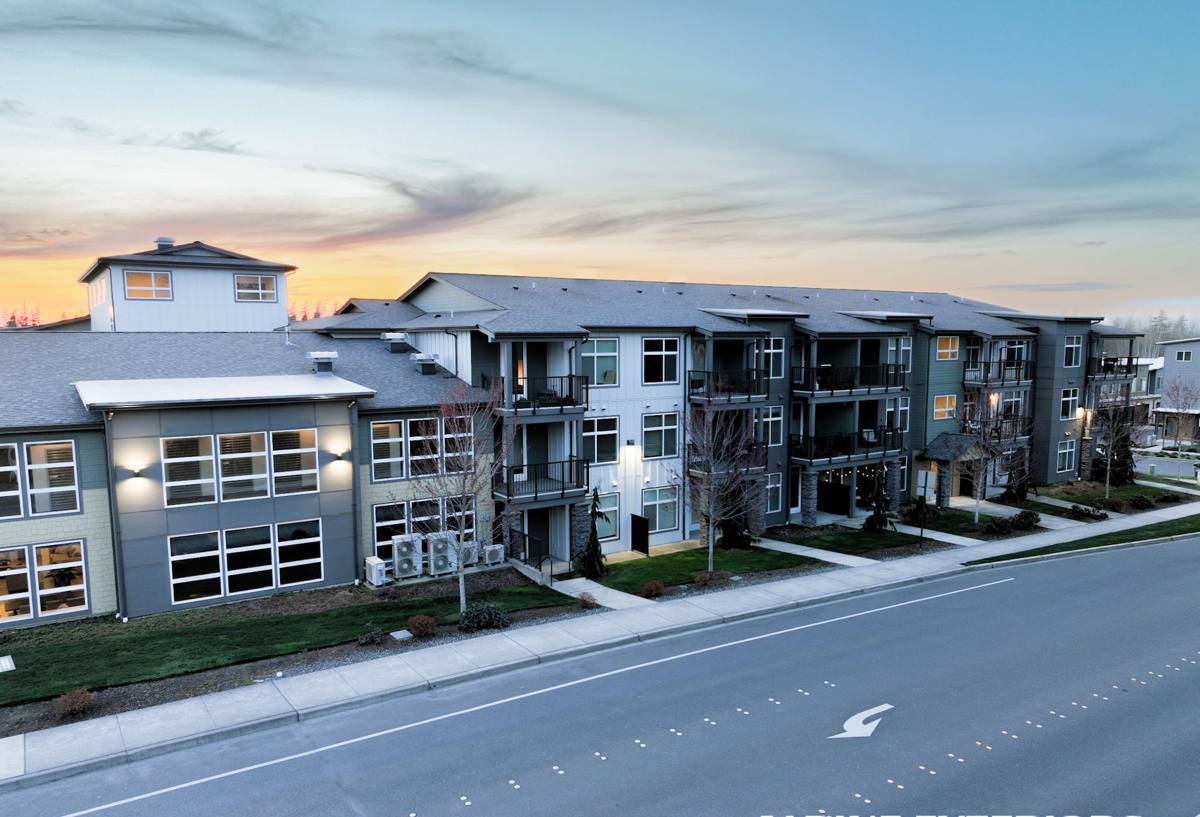
What Southgate Homes Are Up Against
Southgate is an established residential neighborhood inside Bradenton, in Manatee County — close enough to the Gulf and Tampa Bay that homes here deal with the full range of Florida coastal exposure, not just heat and humidity.
Sun and UV
Florida's year-round UV load is intense, and it's harder on vertical siding profiles than horizontal lap siding because battens create more surface edges and shadow lines that show fading or chalking unevenly if the finish isn't stable. A factory-applied finish that's engineered to resist UV breakdown matters more on a board and batten facade, not less.
Wind-Driven Rain and Storms
Hurricane-force wind doesn't just push against a wall — it drives rain sideways and upward, forcing water into any gap, seam, or fastener hole that isn't properly sealed and flashed. Vertical siding has more vertical seams than lap siding, and every one of them is a spot where a rushed installation lets water behind the wall assembly.
Salt Air
Coastal air carries salt inland well beyond the immediate waterfront, and Bradenton's proximity to the water means most of the area deals with some degree of salt exposure. Salt accelerates corrosion on fasteners and trim hardware and speeds up the breakdown of siding materials that aren't formulated to handle it.
What Correct Board & Batten Installation Actually Involves
The visual appeal of board and batten is simple, but the assembly behind it is not. A correct installation is a system — substrate, drainage plane, fastening, and finish all working together — not just boards and strips nailed to a wall.
The Substrate and Drainage Plane
Behind any board and batten installation, there needs to be a properly lapped weather-resistive barrier and a drainage plane that lets incidental moisture escape instead of trapping it against the sheathing. On homes where furring strips are used to create a rainscreen gap, that gap has to be built correctly — enough of an air space to let the wall breathe, with insect screening and proper flashing at the base so water doesn't just collect at the bottom of the wall.
Batten Spacing and Fastening
Batten spacing has to be consistent and tied to the underlying panel width, fastener placement has to follow the manufacturer's engineering for the wind zone, and every fastener has to be corrosion-resistant and driven correctly — not overdriven, which crushes the fiber cement and opens a path for water, and not underdriven, which leaves the board loose in high wind. Getting this wrong is the single most common reason board and batten siding fails early, and it isn't something you can spot from the ground once the job is finished.
Why We Install James Hardie Board & Batten — and Nothing Else
Board and batten siding is available in several materials, and each one behaves differently once it's living on a wall in a hot, wet, salty, wind-loaded climate like ours. We made the decision years ago to install James Hardie fiber cement exclusively, including for board and batten profiles, because it's the material we can stand behind for the long term in this climate.
| Material | Moisture Behavior | Wind & Impact Durability | Long-Term Maintenance |
|---|---|---|---|
| James Hardie fiber cement | Engineered for humid, wet climates; won't rot or absorb water like wood | Rated for high-wind installation; non-combustible | Factory ColorPlus finish holds color; minimal upkeep |
| Primed wood / cedar | Absorbs moisture; prone to rot, cupping, and insect damage in humidity | Moderate; splits and warps under repeated wet-dry cycling | Frequent repainting and sealing required |
| LP SmartSide (engineered wood) | Improved over raw wood but still wood-based; edges are moisture-sensitive | Good when new, but performance depends heavily on sealed cuts and joints | Field-applied finish needs monitoring at seams and battens |
| Vinyl board & batten panels | Won't rot, but can trap moisture behind it if not vented correctly | Can crack, warp, or blow off in sustained high wind | Fades over time; can't be repainted once faded |
Every one of those alternative materials has real strengths, and none of them is a scam or a bad product across the board — we simply won't put our name behind an installation where the material's known weak points line up directly with the conditions Southgate homes face every year: sustained humidity, salt air, intense sun, and periodic high wind. Hardie's fiber cement composition and factory-cured ColorPlus finish were built with exactly this kind of climate in mind, and Hardie backs it with a strong transferable warranty when it's installed to spec — which is the other half of why we only install it.
Our Board & Batten Process for Southgate Homeowners
Every board and batten project starts with an honest look at the existing wall assembly, not just the visible siding.
- On-site inspection of the current siding, sheathing, and any signs of existing moisture damage before quoting anything
- Removal of failing siding and inspection of the sheathing underneath — repairing or replacing any compromised wood before new siding goes up
- Installation of a properly lapped weather-resistive barrier and drainage plane behind the new siding
- Furring or direct-to-stud application, matched to the wall condition and manufacturer requirements
- Batten and panel installation with fastener spacing engineered for local wind exposure
- Flashing and sealing at every window, door, and penetration — the details that decide whether the wall stays dry
- Final walkthrough with the homeowner before we consider the job finished
We don't treat any of these steps as optional shortcuts, even on smaller accent walls, because a leak behind a small section of board and batten causes the same rot damage as a leak behind a full facade.
Permitting, Wind Ratings, and Manatee County Code
Manatee County permitting and the applicable Florida Building Code wind provisions apply to siding replacement just like they do to roofing, and board and batten is not exempt because it looks like a cosmetic upgrade. Fastener schedules, product approvals, and attachment details all have to match what's required for the wind zone a given property sits in. We handle the permitting and make sure the installation matches the documentation on file — that paperwork also matters later if you ever sell the home or file an insurance claim, since an undocumented siding job can complicate both.
Maintaining Board & Batten Siding in Bradenton's Climate
One of the real advantages of a correctly installed Hardie board and batten system is how little ongoing maintenance it needs compared to wood or engineered wood alternatives. That said, "low maintenance" isn't "no maintenance," especially near the coast.
- Rinse the siding periodically to remove salt residue and airborne grime, especially on walls facing prevailing wind
- Check caulking around windows, doors, and trim annually and re-seal if it's cracking or pulling away
- Keep irrigation heads and sprinklers from spraying directly on the siding, which accelerates mineral buildup and staining
- Trim back landscaping that traps moisture or debris against the base of the wall
- After any major storm, do a visual check for loose battens, cracked caulk lines, or impact damage
Why Local Experience in Southgate Matters
A crew that already works in Southgate and elsewhere in Bradenton knows what the local wind exposure requires before the permit application is even filled out, understands how the area's older and newer construction differs in wall assembly, and isn't guessing at code requirements or learning the region's climate behavior on your project. That familiarity shows up in the details — the flashing choices, the fastener schedule, the way a job is sequenced around Florida's rain patterns — long before it shows up in the finished look of the siding.
If you're considering board and batten siding for a home in Southgate or elsewhere in the Bradenton area, we're happy to take a look and give you a straightforward, no-pressure estimate — no obligation, just an honest assessment of what your home needs.