 Bradenton Window
 Siding Repair Built for the Braden River Climate
Homes along the Braden River corridor in Bradenton sit in one of the more demanding exterior environments in Manatee County. The river and surrounding waterways keep humidity high year-round, hurricane-season winds and wind-driven rain test every seam and fastener, and the Florida sun delivers months of intense UV exposure that most siding materials were never designed to withstand indefinitely. Add in the salt-laden air that drifts inland from Tampa Bay and the Gulf, and you have a combination that accelerates wear on siding faster than in most of the country.
Siding repair here isn't just cosmetic touch-up work. Done correctly, it's about finding and correcting the specific way local conditions are attacking a home's exterior — before a small problem becomes a moisture or structural issue behind the wall. Done poorly, a repair can trap water, hide a bigger problem, or fail again within a season or two.
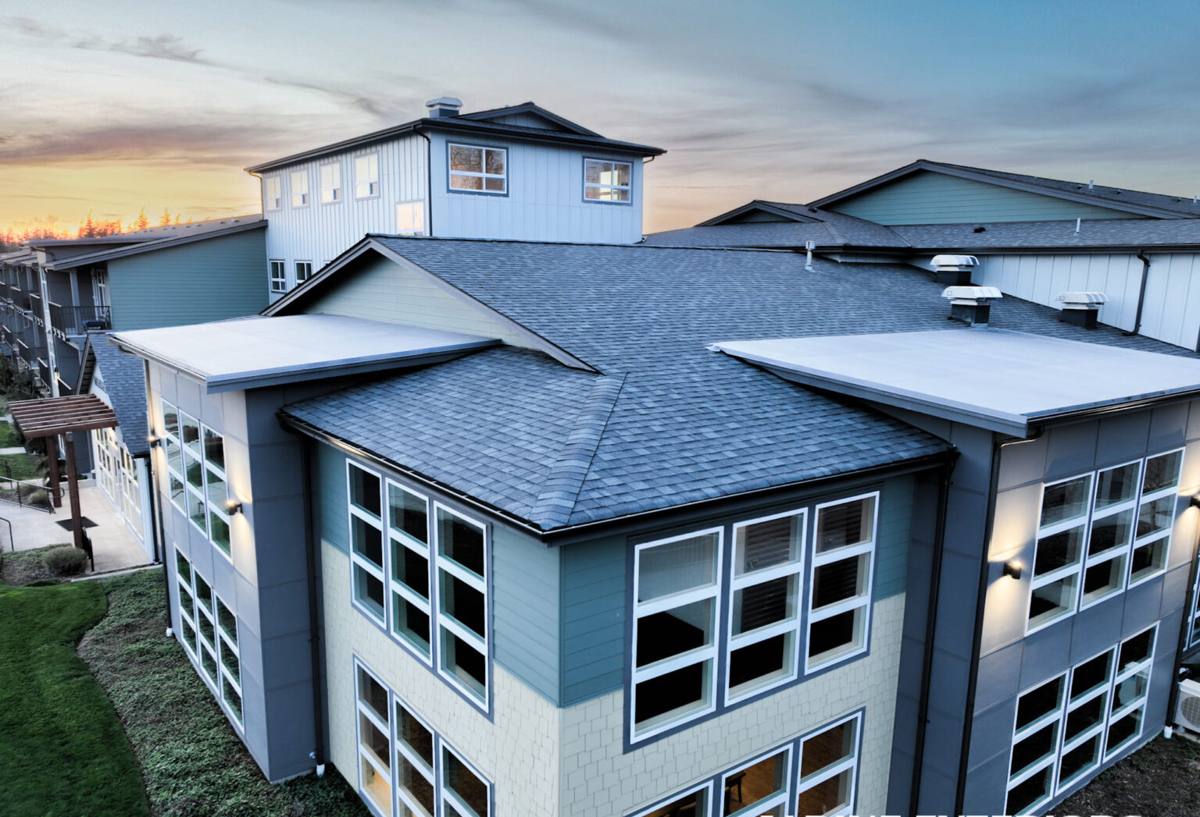
Signs Your Braden River Home Needs Siding Repair
Not every siding issue looks dramatic. Some of the most damaging problems start small and are easy to miss during a quick look from the curb. Homeowners in this area should watch for:
- Cracked, warped, or buckled panels or boards, especially after a windstorm or heavy rain event
- Soft or spongy spots when you press on the siding, which usually means moisture has gotten behind it
- Visible gaps or separation at seams, corners, or around windows and doors
- Fading, chalking, or peeling paint that's inconsistent with the age of the last paint job
- Rust streaks or corrosion around fasteners and trim
- Bubbling or blistering, which often points to trapped moisture rather than a surface issue
- Any musty smell or visible staining on interior walls that back up to exterior siding
A few of these symptoms together, rather than in isolation, are usually a stronger signal that repair is overdue rather than optional.
Repair or Replace? How We Decide
| Situation | Repair Usually Makes Sense | Replacement Usually Makes Sense |
|---|---|---|
| Damage extent | Isolated to one or two panels/sections | Spread across multiple elevations |
| Underlying structure | Sheathing and framing are dry and sound | Rot or water damage found behind siding |
| Material condition | Rest of the siding is structurally healthy | Siding is near or past its expected service life |
| Cause of damage | One-time event (storm impact, accidental damage) | Ongoing moisture, chronic UV breakdown, or material failure |
| Match availability | Compatible replacement material can be sourced | Original product discontinued or badly mismatched |
We won't recommend a full replacement when a proper repair will hold up, and we won't patch over a problem that's going to come back. That call has to be made honestly, panel by panel, after the siding is actually opened up and inspected — not guessed at from the driveway.
What a Correct Siding Repair Actually Involves
Diagnosing the Real Cause
Surface damage is often a symptom, not the root problem. A cracked panel might be a one-time impact, or it might be the result of a fastening pattern that never accounted for wind uplift, or flashing that was never properly integrated at a window or roofline. Before any repair work starts, we identify why the damage happened — because repairing the symptom without fixing the cause just means doing the same repair again in a year or two.
Checking What's Behind the Siding
Any time siding is removed for repair, it's an opportunity to check the water-resistive barrier, flashing, and sheathing underneath. In a humid, storm-exposed area like Bradenton, moisture that's gotten behind siding doesn't always show itself on the surface right away. A repair that skips this step and simply reinstalls or patches over compromised material isn't a repair — it's a delay.
Matching Material and Method
Repairs need to match the existing siding in profile, exposure, and fastening method, or the patch will stand out and behave differently than the surrounding material — expanding, contracting, or weathering at a different rate. When an exact match isn't available or the existing product has a track record of ongoing problems, we'll be direct about that and talk through whether a larger section replacement is the better long-term move.
Common Problems We See on Siding in This Area
Wind and Storm Damage
Manatee County sees real hurricane-season risk, and siding is one of the first things to take a hit from sustained wind and windborne debris. Damage can range from obvious cracked or missing panels to loosened fastening that isn't visible until the next storm makes it worse.
UV Breakdown
Florida's sun is relentless. Siding materials that aren't engineered for sustained UV exposure can fade unevenly, chalk, or become brittle over time — especially on south- and west-facing walls that catch the most direct sun through the day.
Moisture Behind the Siding
High humidity, river proximity, and frequent rain mean any gap in the water-resistive barrier or flashing gets tested constantly. Left unaddressed, trapped moisture leads to rot in wood-based substrates and can compromise sheathing long before it's visible from outside.
Salt Air and Fastener Corrosion
Coastal and near-coastal air carries salt that accelerates corrosion in fasteners, trim, and any metal components tied into the siding system. Corroded fasteners lose holding power, which is exactly the wrong failure mode heading into storm season.
Our Siding Repair Process
- Inspection. We walk the full exterior, not just the area you called about, and document every section that needs attention.
- Diagnosis. We identify the actual cause of each issue — impact, moisture, fastening, flashing, or material fatigue.
- Honest recommendation. We tell you plainly whether repair, partial replacement, or full replacement is the right call, and why.
- Repair work. Damaged material is removed, the substrate is checked and corrected if needed, and repair or replacement material is installed to match performance and appearance as closely as possible.
- Sealing and finish. Seams, fasteners, and transitions are sealed and finished so the repaired section performs as well as the surrounding siding, not just looks like it does.
- Walkthrough. We review the completed work with you before we consider the job done.
When Repair Isn't the Right Answer
Sometimes a homeowner calls about one bad section and it turns out the siding across the whole house is nearing the end of what it can reasonably be expected to do. When that's the case, we say so — and we'll talk through replacement using James Hardie fiber cement siding, which is the only product we install.
We made that decision because of exactly the conditions Braden River homes deal with. Fiber cement is non-combustible, holds up to sustained humidity and salt air without the moisture sensitivity that affects some wood-based and engineered wood siding products, and Hardie's ColorPlus factory finish is built to resist the fading and chalking that Florida's UV puts on painted surfaces. We don't install LP SmartSide, vinyl, Cemplank, Allura, or primed wood siding — not because those products have no merit, but because after years of repair calls in this climate, Hardie's combination of moisture behavior, durability, and warranty backing is what we're willing to put our name behind. If a repair call turns into a replacement conversation, that's the direction we'll recommend and the only direction we'll install.
Why a Local Braden River Crew Matters
Siding repair is easy to do badly and hard to do quietly wrong — a rushed patch can look fine for a season and fail the next time a storm rolls through. A crew that regularly works in Braden River and the surrounding Bradenton area already understands the moisture patterns, storm exposure, and common siding ages and types found on homes here. That familiarity means faster, more accurate diagnosis and repair decisions grounded in what actually happens to siding in this specific environment, not generic guidance that doesn't account for river-adjacent humidity or coastal salt exposure.
It also means accountability. A local crew that plans to keep working in this community has every reason to get the repair right the first time and stand behind it, rather than move on to the next town.
What Affects the Cost of a Siding Repair
| Factor | Why It Matters |
|---|---|
| Size and number of damaged sections | More area and more separate repair sites mean more labor and material |
| Condition of the substrate underneath | Rot or water damage found during the repair adds scope |
| Material match | Sourcing or fabricating a close match can add time versus a standard replacement |
| Height and access | Second-story or hard-to-reach sections require more setup and safety equipment |
| Cause of damage | Storm damage may involve insurance coordination and documentation |
Because every home's situation is different, we don't quote siding repair pricing sight unseen — an accurate number requires an actual inspection of the damage and what's behind it.
Before You Hire a Siding Repair Contractor
- Do they inspect the substrate behind the siding, not just the visible surface?
- Will they give you an honest repair-versus-replace opinion, even if it means a smaller job?
- Do they carry proper licensing and insurance for exterior work in Florida?
- Can they explain why the damage happened, not just how they'll patch it?
- Do they regularly work in your specific area and understand its climate exposure?
- Will the repair be sealed and finished to match the performance of the surrounding siding, not just its appearance?
If a contractor can't answer these clearly, that's worth treating as a warning sign before any work starts.
If you're noticing cracked, soft, discolored, or storm-damaged siding on a Braden River home, we're glad to take a look. We'll give you a straight assessment of what's actually going on and a free, no-pressure estimate for fixing it right — fill out the form below to get started.