 Bradenton Window
 Custom Decks Built for the Way Braden River Actually Lives Outdoors
Braden River is a river-and-canal community, and that changes what a deck has to do here. Homes back up to open water, wooded lots, or drainage canals more often than a flat suburban yard, which means decks in this part of Bradenton get more direct sun, more standing humidity, and more exposure to wind coming off the water than a deck tucked into a landlocked neighborhood. A deck built for this area needs to handle Gulf Coast humidity every day and hurricane-force wind on the days that matter most.
We build custom decks for Braden River homeowners who want a real outdoor living space — not a plywood platform bolted to the back of the house. That means matching the structure, the fasteners, and the decking material to Manatee County's climate, not just to whatever looks good in a showroom.
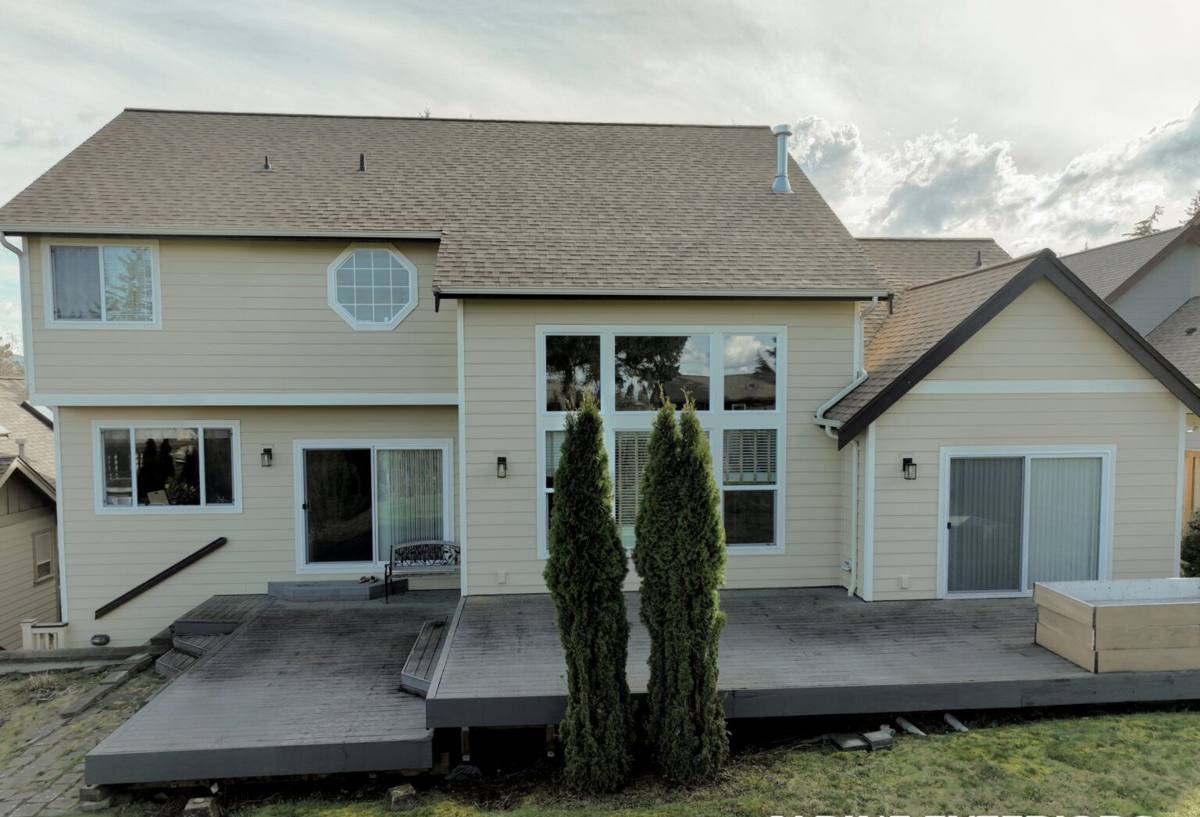
What Braden River's Climate Does to a Deck
A deck here is under constant, low-grade stress even when there's no storm in the forecast:
- Year-round UV breaks down wood fibers, fades finishes, and dries out sealants faster than in most of the country.
- Humidity and afternoon rain keep moisture in contact with framing and decking longer, which is what drives rot, mold, and fastener corrosion.
- Salt-laden air off the river and nearby Gulf water accelerates corrosion on hardware, screws, and railing fasteners — even a mile or two inland.
- Hurricane-force wind puts real uplift and lateral load on railings, ledger connections, and post footings during tropical storms and hurricanes.
None of these are exotic problems. They're the everyday conditions a deck in this zip code has to shrug off, year after year, without your having to think about it.
What a Correctly Built Deck Looks Like Here
The Structure Underneath Matters More Than the Decking on Top
Most deck failures we get called out to inspect started below the surface — a ledger board attached without proper flashing, footings poured too shallow, or joist hangers that were never rated for coastal exposure. In Braden River's soil and humidity, we treat the substructure as the part of the job that actually determines how long the deck lasts.
A deck built to hold up here should include:
- Pressure-treated framing rated for ground contact where posts meet the soil, with footings set to local frost and load requirements
- Proper ledger board flashing where the deck attaches to the house, so water is directed away from the wall framing instead of into it
- Stainless steel or coated, corrosion-resistant fasteners and joist hangers throughout — not standard galvanized hardware that starts rusting within a season or two of salt exposure
- Hurricane ties or engineered connectors at post-to-beam and beam-to-ledger connections, sized to the wind loads required in this part of Florida
- Proper spacing and airflow underneath the deck boards so moisture doesn't get trapped against the framing
Get the structure right and the decking material on top becomes mostly a question of look, feel, and maintenance — not survival.
Choosing a Decking Material for Braden River
There's no single "best" decking material — there's the right trade-off for your budget, your maintenance appetite, and how close you are to the water. Here's how the common options actually perform in this climate:
| Material | Upfront Cost | Maintenance | How It Handles Sun, Humidity & Salt |
|---|---|---|---|
| Pressure-treated wood | Lowest | Annual cleaning, periodic re-sealing | Needs consistent upkeep or it grays, cups, and splinters faster in high UV and humidity |
| Tropical hardwood (e.g. ipe) | High | Periodic oiling to maintain color | Naturally dense and rot-resistant, but still needs UV protection to hold its color |
| Capped composite | Mid-to-high | Occasional washing, no sealing | Resists moisture and UV fading well; a solid middle ground for most Braden River homes |
| PVC decking | Highest | Occasional washing, no sealing | Fully moisture-proof and the most resistant to salt air and humidity long-term |
Our standard is to walk you through the honest maintenance burden of each option before you commit — not just the sticker price. A cheaper board that needs re-sealing every year in this heat and humidity can cost more in labor and downtime over a decade than a composite or PVC board that doesn't.
Our Custom Deck Process
- On-site consultation — We look at your lot, your grade, sun exposure, and how close you are to water or canal frontage, and talk through how you actually want to use the space.
- Design and material selection — We lay out size, shape, railing style, and decking material against your budget, with honest trade-offs explained up front.
- Permitting — We handle the permit application and engineering documentation required for Manatee County and the applicable Florida Building Code wind requirements.
- Site prep and framing — Footings, posts, beams, and joists go in first, built to the structural standards above before a single deck board is installed.
- Decking, railing, and finish work — Boards, railings, stairs, and any lighting or built-ins are installed and finished.
- Final walkthrough and inspection — We review the completed deck with you and coordinate the final county inspection so everything is documented and code-compliant.
Permits, Code, and Wind Requirements
Decks in Manatee County generally require a building permit, and structural elements — footings, framing, railing height and spacing, stair geometry — are inspected against the Florida Building Code, which is written with hurricane-force wind in mind. Skipping the permit process on a deck isn't just a legal risk; it usually means the structural connections that actually matter in a storm were never independently checked.
We pull the permits, schedule inspections, and build to the load and connection requirements the code calls for. If your project is close to the water or in a flood zone, there may be additional elevation or setback considerations we'll flag during the design phase rather than after the framing is up.
Railings, Features, and Add-Ons
Because so many Braden River properties back up to water or wooded views, railing choice matters as much as decking material. Options we commonly build into custom decks here include:
- Aluminum or cable railing for an open sightline toward the river or canal
- Composite or PVC railing systems that match the decking and require no repainting
- Built-in bench seating or planters that add function without eating into usable deck space
- Multi-level layouts for sloped yards or to separate a grilling area from a seating area
- Deck lighting wired for post caps, stair treads, or under-rail accents for evening use
Every add-on gets the same structural attention as the deck itself — a lighting run or built-in bench shouldn't be an afterthought that compromises the framing underneath it.
Living With a Deck in This Climate
Even a well-built deck needs some basic upkeep to get its full lifespan out of Braden River's sun and salt air. A simple seasonal routine goes a long way:
- Rinse pollen, salt residue, and debris off the deck surface every few weeks, more often near the water
- Clear leaves and organic debris from between boards and around post bases so moisture doesn't sit and trap heat
- Inspect railing connections and fasteners once or twice a year for early signs of rust or looseness
- Re-seal wood decking on the manufacturer's recommended schedule — don't wait until it's visibly gray and dry
- Check underneath the deck after major storms for standing water, debris buildup, or shifted footings
Composite and PVC decking cut most of this list down to occasional washing, which is a big part of why so many homeowners in this area choose them despite the higher upfront cost.
Why Hire a Crew That Already Works Braden River
A deck built to a generic national spec sheet isn't necessarily built for this specific stretch of Manatee County. Crews who already work Braden River regularly know the local permitting process, understand how canal-front and wooded lots affect drainage and footing placement, and have already made — and corrected — the mistakes that come from underestimating Gulf Coast humidity and wind.
That local experience shows up in small decisions that matter over the life of the deck: which fastener grade to use so close to the water, how to flash a ledger board against Florida's rain patterns, and how to size connections for wind loads that are very real here, not theoretical. It's the difference between a deck that needs attention every year and one that just holds up.
If you're planning a custom deck in Braden River, we'd rather walk your property and give you a straight answer on what it needs than sell you a one-size-fits-all package. Reach out for a free, no-pressure estimate using the form below, and we'll talk through your space, your budget, and the right material and structure for your lot.