 Bradenton Window
 Building Decks That Hold Up on Anna Maria Island
Anna Maria Island sits right on the Gulf, which means any deck built here is doing a harder job than a deck built a few miles inland in Bradenton. Salt-laden air, near-constant humidity, intense sun for most of the year, and the real possibility of hurricane-force wind all act on a deck at the same time, every day it's standing. A deck that would be perfectly adequate in a drier, calmer climate can start showing corrosion, cupping, or loose connections within a couple of seasons out here if it wasn't built with that environment in mind from the start.
This page covers what we look at specifically for deck building on Anna Maria Island and the surrounding barrier-island areas of Manatee County — not a generic "how to build a deck" rundown, but the material, fastener, and structural decisions that actually matter for a deck that has to survive salt air and Gulf-driven weather for decades, not just look good on installation day.
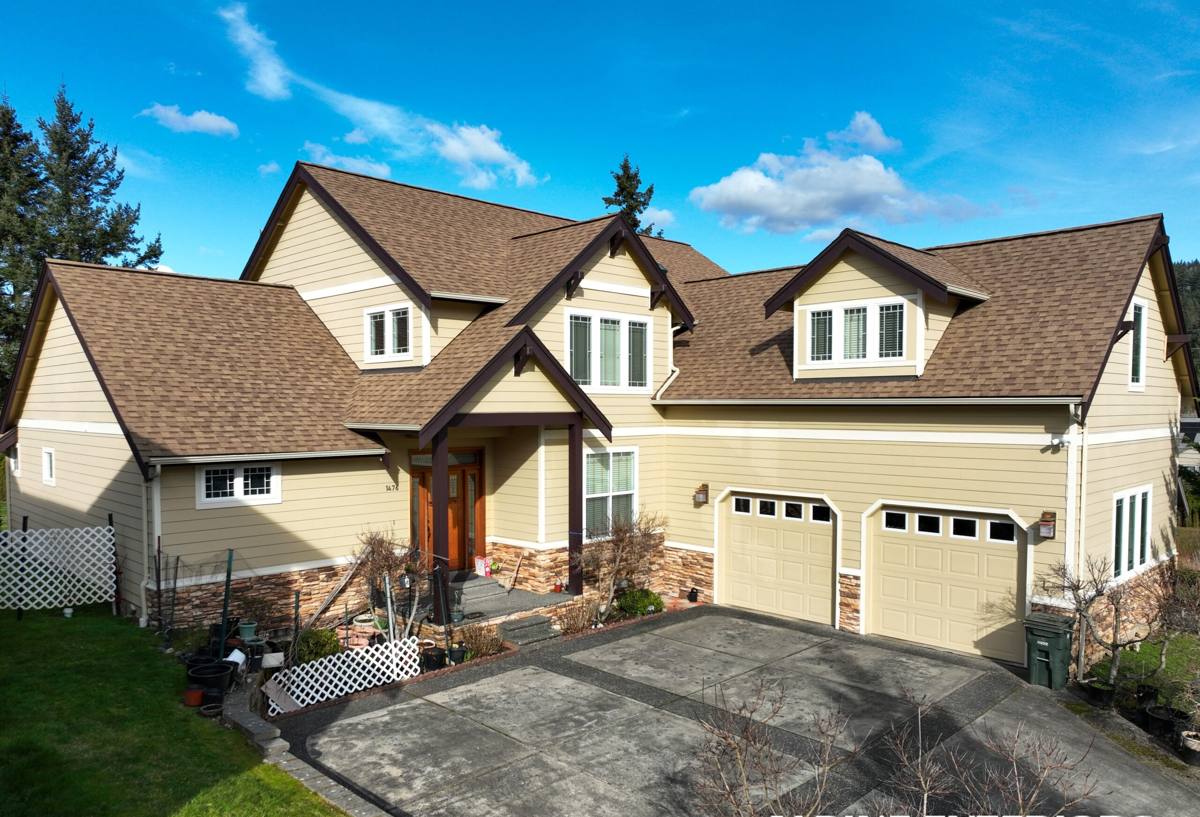
What Barrier Island Conditions Actually Do to a Deck
Salt Air and Corrosion
Airborne salt doesn't just settle on surfaces — it works its way into any gap, seam, or fastener head it can reach. On a deck, that means the metal connecting everything (screws, joist hangers, bolts, railing brackets) is under constant low-grade chemical attack. Standard galvanized hardware that's fine inland can start rusting within a few years this close to the water. Once a fastener corrodes, it loses holding strength long before it looks obviously bad, which is part of why deck hardware needs to be chosen for this environment specifically, not just "what's on the shelf."
UV Exposure
Manatee County gets strong, direct sun most of the year. UV breaks down the lignin in wood fibers (turning untreated wood gray and brittle over time) and it degrades the resin binders in lower-grade composite decking, leading to fading and surface chalking. Materials and finishes need enough UV resistance to hold their color and structural integrity, not just their initial appearance.
Wind-Driven Rain and Moisture Cycling
Decking on the Gulf side deals with rain that comes in sideways during storms, plus daily humidity swings between hot afternoons and cooler, damp evenings. That constant wet-dry cycling is what causes wood to cup, crack, and eventually rot at fastener points and end grain if it isn't sealed and detailed correctly. Any horizontal surface on a barrier island needs real attention to drainage and water shedding, not just a flat, level build.
Hurricane-Force Wind
A deck isn't just a platform — it's a structure that has to resist uplift and lateral load in a storm. Ledger connections, post bases, and railing attachments all need to be engineered for wind, not just built to hold static weight. This matters even more on an exposed barrier island than it does a few miles inland.
Choosing the Right Decking Material for This Environment
There's no single "best" decking material for every home — it depends on budget, how much upkeep the owner wants to do, and how close to the water the deck sits. Here's how the common options actually compare under these specific conditions.
| Material | Salt Air Behavior | Maintenance | Typical Lifespan Here |
|---|---|---|---|
| Pressure-treated pine | Needs sealing regularly or fasteners and end grain corrode/rot faster | High — resealing every 1-2 years | 10-15 years with upkeep |
| Tropical hardwoods (e.g., ipe-type species) | Naturally dense and rot-resistant, but needs oiling to hold color | Moderate — periodic oiling | 20-25+ years |
| Capped composite decking | Very good — the polymer cap resists salt and moisture intrusion | Low — occasional washing | 25-30 years |
| Uncapped/lower-grade composite | Can fade and chalk faster under heavy UV and salt exposure | Low-moderate | 15-20 years, appearance degrades sooner |
For most Anna Maria Island homeowners, we steer conversations toward capped composite or a dense hardwood, because both hold up to the salt-air cycle with less maintenance than standard pressure-treated lumber. That said, a well-built pressure-treated deck with the right fasteners and a real sealing schedule is still a legitimate, lower-cost option for owners willing to keep up with it.
A Note on Fastener-to-Board Compatibility
Composite decking manufacturers generally require specific hidden-fastener systems or coated screws to keep warranties valid, and mixing incompatible metals against composite boards can cause staining or galvanic corrosion over time. We match fasteners to the specific decking product being installed rather than defaulting to whatever's fastest to install.
Substructure and Fasteners: Where Decks Actually Fail
Most deck failures we see on barrier islands don't start with the decking boards — they start underneath, where nobody's looking. The framing, ledger connection, and fasteners are doing the real structural work, and they're also the parts most exposed to trapped moisture and salt corrosion because they don't get the sun exposure that dries things out quickly.
- Ledger board flashed and sealed correctly where it attaches to the house, so water can't get behind it and rot the rim joist
- Joist tape or a comparable moisture barrier on top of framing lumber to keep standing water out of end grain and fastener holes
- Stainless steel or marine-grade coated fasteners and hangers, chosen for salt-air corrosion resistance rather than standard galvanized
- Post bases and connections engineered for wind uplift, not just vertical load
- Proper spacing and slope so water actually drains off the deck instead of pooling
- Ventilation underneath the deck so the substructure can dry out between rain events
None of this is visible once the deck is finished, which is exactly why it's worth asking a contractor directly what hardware and flashing details they're using before work starts, not after.
Permitting and Wind Load in Manatee County
Deck construction on Anna Maria Island falls under Florida Building Code wind requirements for coastal/barrier-island construction, and depending on the specific parcel, it may also involve flood zone and elevation considerations through the local jurisdiction (the island includes multiple incorporated cities plus unincorporated Manatee County areas, each with its own permitting process). We handle permitting as part of the job rather than leaving it to the homeowner to sort out, and we won't cut corners on wind-rated connections just to save a step in the process — those connections are exactly what keep a deck attached to the house in a storm.
Our Deck Building Process
We approach every deck on the island the same structured way, because skipping steps is where problems start:
- On-site assessment — we look at sun exposure, prevailing wind direction, drainage, and how close the site is to open water, since that affects material and hardware recommendations
- Material and layout discussion — honest tradeoffs on decking material, railing style, and budget, with no pressure toward the most expensive option if it's not the right fit
- Permitting and engineering — pulling the correct permits and confirming wind-load connections meet code for the location
- Framing and substructure build — ledger flashing, joist protection, and salt-rated fasteners installed correctly the first time
- Decking and railing installation — installed per manufacturer specification to keep any product warranty intact
- Final walkthrough — we go over basic maintenance expectations specific to the material installed
Railings and Hardware That Hold Up to Salt Air
Railings take a lot of abuse near the Gulf — they're touched constantly, they're often the first thing to show corrosion, and they're a code-required safety feature, not just a design element. Aluminum railing systems with a marine-grade powder coat generally hold up better than uncoated steel or standard cable systems in this environment, since bare steel and lower-grade cable hardware can start showing rust streaks within a year or two of direct salt exposure. Whatever railing material is chosen, the posts still need to be through-bolted into properly blocked framing — a railing is only as strong as what it's attached to.
Maintenance Deck Owners on Anna Maria Island Should Expect
Even a well-built deck out here needs some ongoing attention — the climate doesn't let anything sit maintenance-free indefinitely:
- Rinse the deck periodically to remove salt residue, especially after storms with onshore wind
- Check fastener heads and railing connections once or twice a year for early corrosion signs
- Re-oil or reseal wood decking on the manufacturer's or species' recommended schedule
- Keep gutters and downspouts near the deck clear so runoff isn't dumping extra water onto the structure
- Clear debris from underneath the deck so airflow can keep the substructure dry
Composite and capped decking cut down on this list significantly, but no material out here is truly zero-maintenance.
Why Local Experience on Anna Maria Island Matters
A contractor who mostly works inland projects doesn't run into salt-air corrosion or barrier-island wind exposure often enough to have it built into their default habits — what fastener grade to reach for, how to detail a ledger board against wind-driven rain, which decking products actually perform out here versus which ones just look good in a showroom. A crew that regularly builds on Anna Maria Island and the surrounding coastal parts of Manatee County has already seen what fails in this specific environment and builds to avoid it from the first board, not after a callback.
If you're planning a new deck or need to talk through options for your Anna Maria Island property, we're glad to walk the site and give you a straightforward assessment. Use the form below to request a free, no-pressure estimate.