 Bradenton Window
 Deck Building for Whitfield Estates Homes
Whitfield Estates is one of the older, more established residential pockets in the Bradenton area, with a mix of canal-front and inland lots, mature tree canopy, and homes that have been added onto and updated over decades. A deck here has to do more than look good on a Saturday afternoon. It has to hold up to salt-laden air off the bay, direct Florida sun for most of the year, and the wind-driven rain and occasional hurricane-force gusts that come with living on Florida's Gulf Coast. We build decks specifically with that environment in mind, not a generic spec pulled from a catalog.
This page covers what we think matters most for a Whitfield Estates deck project: material choice, structural details, hardware, permitting, and the day-to-day realities of owning a deck in this part of Manatee County.
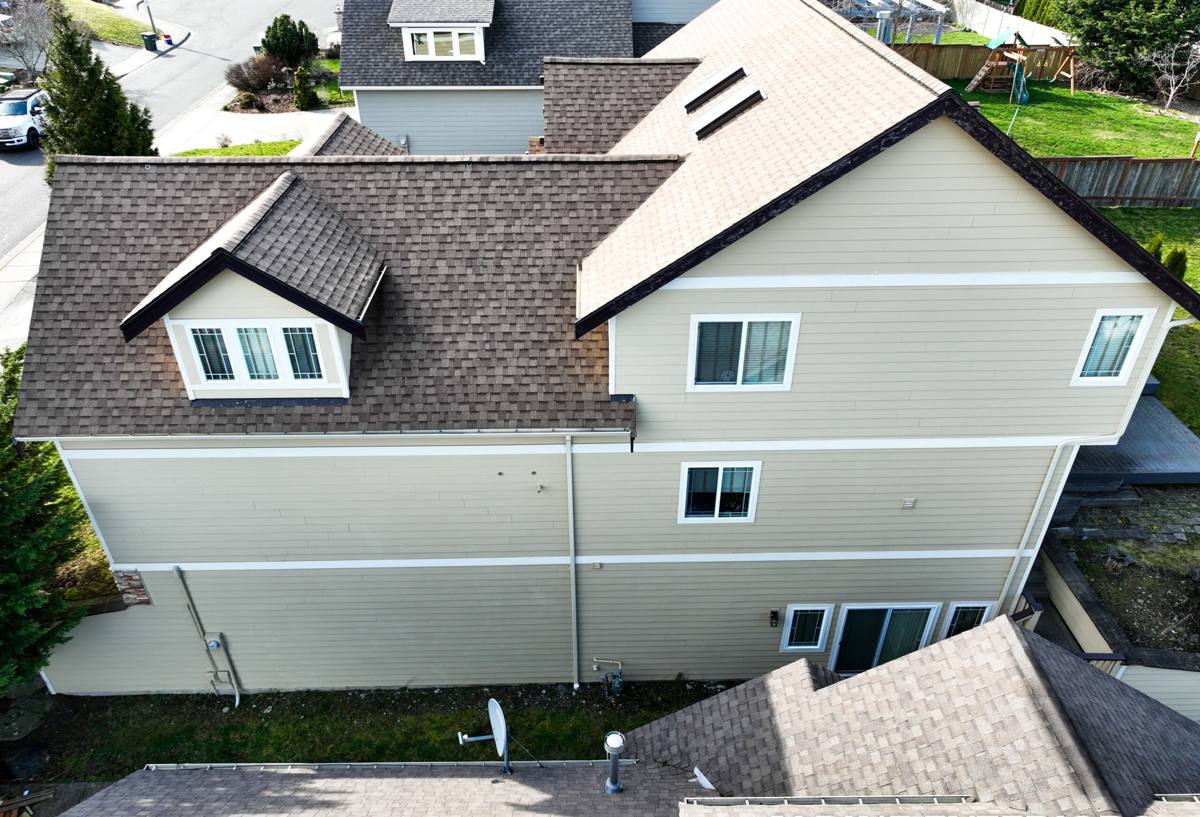
What Bradenton's Climate Actually Does to a Deck
A deck built the same way you'd build one in a drier, cooler climate will fail faster here. It's worth understanding the specific forces at work before you pick materials or a contractor.
Sun and UV Exposure
Bradenton gets intense, near-year-round UV exposure. On wood decking this breaks down surface fibers and accelerates graying and checking even with regular sealing. On composite and PVC boards, UV resistance varies significantly by product line, which is why we pay attention to the manufacturer's specific fade and heat-buildup ratings rather than assuming "composite" means the same thing across brands.
Salt Air
Whitfield Estates sits close enough to Sarasota Bay that salt air is a real factor for homes on or near the water, and it still reaches inland lots on a breeze. Salt air corrodes ungalvanized or poorly coated fasteners, hinges, and structural connectors from the inside out — often long before the decking itself shows wear. This is one of the most common causes of premature deck failure we see in coastal Manatee County.
Wind-Driven Rain and Storms
Wind-driven rain gets pushed sideways and upward into places a normal rain shower never reaches — under ledger boards, into post bases, behind fascia. Combined with hurricane-force wind loading during storm season, this means framing connections, flashing, and drainage details carry real structural weight, not just cosmetic importance.
Humidity and Moisture Cycling
Bradenton's humidity means wood framing rarely gets to fully dry out between rain events. Untreated or poorly ventilated framing stays damp longer, which speeds up rot and gives wood-boring insects an easier foothold.
Choosing Decking Material for a Whitfield Estates Property
There's no single "best" decking material — the right choice depends on your budget, how close you are to the water, how much maintenance you're willing to do, and how long you plan to stay in the home. Here's how the common options actually compare in this climate.
| Material | How It Handles This Climate | Maintenance | Typical Lifespan Here |
|---|---|---|---|
| Pressure-treated wood | Affordable, but sun and humidity cycling cause checking, warping, and graying faster than in drier regions | Annual cleaning and resealing recommended | 10-15 years with upkeep |
| Tropical hardwoods (e.g. ipe) | Naturally dense and rot-resistant; handles UV and moisture well but is heavy and needs careful fastening | Periodic oiling to maintain color, though bare wood still performs structurally | 20-25+ years |
| Capped composite | Strong UV and moisture resistance; quality varies a lot by brand and cap thickness | Occasional washing, no sealing or staining | 20-30 years depending on product |
| PVC decking | Fully synthetic, no wood fibers to absorb moisture; among the best options for salt air exposure | Lowest maintenance of the group | 25-30+ years |
For canal-front and near-water lots in Whitfield Estates, we lean toward capped composite or PVC precisely because they don't have wood fibers that can wick moisture and salt. For inland lots with heavy tree cover and less direct salt exposure, a well-installed hardwood or treated wood deck can still make sense, especially if you want a natural look and are comfortable with periodic maintenance.
Framing and Structural Details That Matter Here
The decking surface is what you see, but the framing underneath is what determines whether the deck is still safe in ten years. In this climate, a few details deserve extra attention:
- Ledger board attachment and flashing — this is where most wind-driven rain intrusion and rot problems start if not detailed correctly
- Post base connections that keep wood off standing water and allow drainage and airflow underneath
- Joist hangers and structural connectors rated for the actual loads and, where exposed to salt air, corrosion-resistant coatings
- Footing depth and sizing appropriate for Manatee County soil conditions and local wind load requirements
- Proper board spacing and substructure ventilation so wet season humidity doesn't get trapped underneath
None of this is visible once the deck is finished, which is exactly why it's worth asking a contractor to walk you through it before construction starts, not after.
Fasteners and Hardware: The Detail Most People Skip
In a salt-air environment, the fasteners and structural hardware are often the first thing to fail — well before the boards themselves. Standard galvanized screws and connectors can corrode within a few years this close to the coast. We use stainless steel or marine-grade coated fasteners and connectors rated for coastal exposure, and we match fastener chemistry to the decking material, since some composite and PVC products react poorly with certain metals or coatings. It's a detail that adds a modest amount to material cost and makes a real difference in how long the structure holds up.
Permitting and Code Compliance in Manatee County
Deck construction in unincorporated Manatee County, which includes Whitfield Estates, requires a building permit in nearly all cases, along with inspections at key stages of construction. Waterfront and canal-adjacent lots can also involve additional review depending on setbacks and any dock or seawall proximity. Skipping the permit process might save time up front, but it can create real problems later — unpermitted structures can complicate a home sale, cause issues with insurance claims after storm damage, and in some cases have to be torn out and rebuilt to code. We handle the permitting and inspection process as part of every project so you're not left navigating it yourself.
How We Approach a Deck Project in Whitfield Estates
1. On-Site Assessment
We look at the lot, existing structure (if it's a replacement), sun and wind exposure, proximity to water, and any drainage or grading issues before recommending materials.
2. Material and Layout Discussion
We walk through the material comparison above in the context of your specific lot and budget, and talk through layout options that work with how you actually use the space.
3. Permitting
We prepare and submit the permit package for Manatee County and schedule required inspections.
4. Framing and Structural Work
This is where the corrosion-resistant hardware, proper flashing, and footing work happens — the part that determines the deck's actual lifespan.
5. Decking, Railing, and Finish Work
Board installation, railing (with attention to wind load and code-required railing heights), and final detailing.
6. Final Walkthrough and Inspection
We review the finished deck with you and make sure it passes final county inspection before we consider the job done.
Maintaining Your Deck After Installation
Even a well-built deck needs some ongoing attention in this climate. A short seasonal checklist goes a long way:
- Rinse off salt residue and debris periodically, especially on decks near the water
- Check fastener heads and railing connections for corrosion once a year
- Keep gutters and nearby drainage clear so water isn't pooling near footings
- For wood decking, reseal on the schedule recommended for the specific product, not just "when it looks dry"
- After any major storm, do a quick visual check of railings, stairs, and ledger board attachment before heavy use
- Trim back overhanging tree limbs that keep the deck surface damp and shaded longer than it should be
Why Local Experience in Whitfield Estates Matters
A contractor who mainly builds decks inland or in drier parts of the state may not think twice about fastener grade, ledger flashing detail, or how close a lot sits to salt water — because in most of the country, it doesn't matter as much. In Manatee County, and especially in a neighborhood like Whitfield Estates with its mix of waterfront and canal-adjacent lots, those details are the difference between a deck that needs major repair in five years and one that's still solid in twenty. Crews who regularly work this specific area also tend to move faster through the county permitting process simply because they've done it repeatedly and know what the inspectors are looking for.
If you're planning a new deck or replacing an aging one in Whitfield Estates, we're happy to come take a look, walk the property with you, and put together a straightforward, no-pressure estimate. There's no obligation — just an honest read on what your home actually needs. Use the form below to get started.