 Bradenton Window
 Custom Decks Built for Ellenton's Climate
Ellenton sits close enough to the Manatee River and the Gulf that its homes deal with a specific mix of stresses most inland decks never see: long stretches of intense UV, sudden wind-driven downpours, high humidity that never really lets up, and a faint but constant dose of salt air carried in off the water. A deck built without those conditions in mind will look fine for a year or two and then start showing problems - cupped boards, rusted fasteners, soft spots at the ledger, faded and splintering surfaces. A deck built for Ellenton specifically holds up because every material and connection decision accounts for what the site actually throws at it.
We work throughout the Bradenton area, and Ellenton jobs come with their own set of considerations: mixed lot sizes ranging from older established homes to newer construction, proximity to waterways in parts of the community, and the same Manatee County permitting and inspection process that governs every outdoor structure built here. Knowing that process, and knowing what tends to go wrong on decks in this specific stretch of Florida, is the difference between a deck that needs to be babied every season and one that just works.
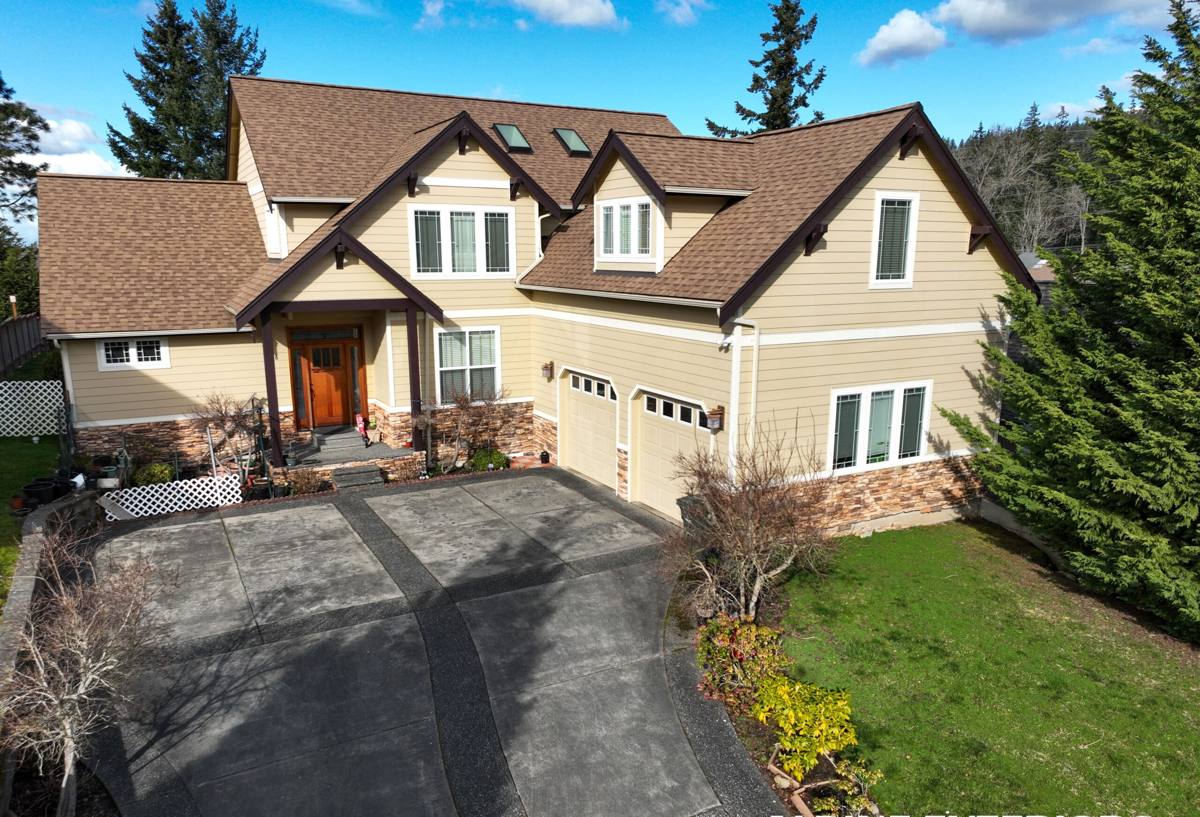
What Ellenton Homes Need From a Deck
Before we talk materials or design, it helps to be honest about what a deck in this area is actually up against over a 15-20 year lifespan:
- UV exposure: Florida sun breaks down surface finishes and fades color far faster than it does in northern climates - a deck that isn't finished or capped correctly will visibly weather within a couple of seasons.
- Wind-driven rain: Storms here rarely fall straight down. Rain gets pushed sideways under railings and into ledger connections, which means flashing and drainage details matter more than they would in a drier, calmer climate.
- Humidity and moisture cycling: Wood that never fully dries between rain events is more prone to rot, cupping, and fastener corrosion than wood in a drier region.
- Salt air: Even a few miles inland from the coast, airborne salt accelerates corrosion on hardware, screws, and any exposed metal connectors.
- Hurricane-force wind loads: Structural connections - not just the decking surface - need to be engineered and fastened to hold up under real storm wind, not just look sturdy on a calm day.
Any one of these on its own is manageable. All five at once, over years, is what separates a deck that ages well from one that becomes a maintenance headache.
Decking Material Options
Composite and PVC Decking
For most Ellenton homeowners, capped composite or PVC decking is the practical choice. These products resist moisture absorption, don't splinter, and hold their color better under sustained UV than uncapped wood. They cost more upfront than pressure-treated lumber, but they don't require annual staining or sealing, which matters in a climate where surfaces take a beating year-round.
Pressure-Treated Wood
Pressure-treated pine is the lower-cost option and can absolutely work well here, but it comes with real maintenance obligations: annual or biennial sealing, regular inspection for soft spots, and attention to any area where water tends to pool or drainage is slow. We're upfront about that trade-off rather than glossing over it - it's a legitimate choice for a homeowner who wants the lower price and is willing to keep up with the maintenance.
Tropical Hardwoods
Woods like ipe offer excellent natural density and rot resistance, but they're heavier, harder to work with during installation, and typically the highest-cost option. They also require periodic oiling to maintain color, or homeowners can let them weather to a natural gray patina.
Material Comparison
| Material | Upfront Cost | Maintenance | UV/Salt Air Performance |
|---|---|---|---|
| Pressure-treated wood | Lowest | Annual sealing recommended | Fair - needs upkeep to prevent fading and moisture damage |
| Capped composite/PVC | Mid to high | Occasional cleaning only | Good - engineered to resist fading and moisture |
| Tropical hardwood | Highest | Periodic oiling or allow natural gray | Very good - naturally dense and rot-resistant |
Structural Details That Actually Matter
The decking surface gets all the attention, but the framing underneath is what determines whether a deck survives a real storm or a decade of humidity cycling. On every Ellenton project we pay close attention to:
Ledger Attachment and Flashing
Where the deck meets the house is the single most common failure point on decks in Florida. Wind-driven rain pushes moisture into gaps that aren't properly flashed, and over time that leads to rot in the ledger board or even the house's rim joist. Correct flashing - installed in the right order relative to the house's existing weather barrier - keeps water moving out and away instead of trapping it against the structure.
Fastener and Hardware Selection
Standard hardware corrodes faster in coastal-influenced air. We use fasteners and structural connectors rated for coastal or ACQ-treated lumber exposure, since mismatched metals can accelerate corrosion at every connection point over time.
Footings and Post Bases
Post bases that hold wood up off the concrete, rather than embedding it directly, reduce the moisture wicking that causes rot at the base of support posts - a common issue on older decks in humid climates.
Wind-Rated Railing and Guard Connections
Railings need to be fastened to resist real lateral wind load, not just support a hand leaning on them. This is a place where corners get cut on lower-quality builds, and it's one of the first things we check when evaluating an older deck for repair or replacement.
Permitting in Manatee County
Deck construction in Ellenton falls under Manatee County's building permit and inspection process. A properly permitted deck gets reviewed for structural adequacy - footing depth, ledger attachment, span tables for joists and beams - before it's ever built, and inspected at key stages during construction. Skipping this step might save time upfront, but it creates real problems at resale, with insurance claims after storm damage, and with the safety of the structure itself. We handle the permitting and inspection coordination as part of the build so homeowners don't have to navigate the county process on their own.
Our Process for an Ellenton Deck Project
- On-site assessment: We walk the property, evaluate drainage, sun exposure, existing structure (if replacing a deck), and discuss how the space will actually be used.
- Design and material selection: Layout, decking material, railing style, and any built-in features are finalized based on the homeowner's budget and priorities.
- Permitting: We prepare and submit the required documentation to Manatee County and schedule the necessary inspections.
- Site prep and footings: Footings are dug and poured to the depth required for the structure's load and local code.
- Framing: Ledger, posts, beams, and joists go in with attention to flashing, hardware, and spacing correct for the decking material chosen.
- Decking and railing installation: Surface boards and railing systems are installed with fastening patterns appropriate to the material and expected wind exposure.
- Final inspection and walkthrough: The completed deck is inspected, and we walk the homeowner through care and maintenance specific to the materials used.
Repair vs. Replacement
Not every aging deck in Ellenton needs a full rebuild. If the framing and footings are sound and the problems are limited to surface boards, railings, or isolated soft spots, targeted repair can extend the life of the structure at a fraction of replacement cost. The questions that determine which route makes sense:
- Is there rot or soft wood at the ledger connection or support posts? (Often a sign the whole structure needs replacing.)
- Are footings adequately sized and depth-appropriate for current code, or were they undersized to begin with?
- Is the damage isolated to a few boards, or spread across the whole surface?
- Does the existing railing meet current safety and wind-load standards?
We'll give a straight answer on which category a given deck falls into rather than pushing a full replacement when a repair will genuinely do the job.
Maintenance Guidance by Material
Whatever material an Ellenton homeowner chooses, a little routine care goes a long way in this climate:
- Composite/PVC: Periodic washing to remove pollen, salt residue, and organic buildup; check fastener caps annually.
- Pressure-treated wood: Reseal on a regular schedule (typically annually in this climate), inspect for soft spots each spring, and keep an eye on areas where water pools after rain.
- Tropical hardwood: Oil periodically if a rich color is desired, or allow natural weathering to a silver-gray patina; inspect fastener heads for corrosion.
- All materials: Keep gutters and downspouts near the deck clear so runoff doesn't concentrate against ledger or framing connections.
Why Local Experience in Ellenton Matters
A contractor who already works in and around Ellenton and Bradenton knows the county's permitting expectations, has already worked through the coastal-adjacent moisture and salt-air conditions on other local projects, and isn't guessing at what materials and hardware actually hold up here. That local track record shows up in details a homeowner might never notice until they matter - the flashing detail at the ledger, the hardware spec at every connector, the footing depth that's actually adequate for Manatee County soil and code, not just the national minimum.
If you're considering a new deck or need an honest evaluation of an existing one in Ellenton, we're happy to take a look. Reach out for a free, no-pressure estimate using the form below - we'll walk the property, answer your questions directly, and give you a clear picture of what the project actually involves before any commitment is made.