 Bradenton Window
 Why Ellenton Decks Wear Out Faster Than the Manuals Say
Every deck comes with a warranty and a maintenance schedule written by someone who has never spent a summer in Manatee County. Ellenton sits close enough to Tampa Bay and the Manatee River that decks here deal with a combination most manufacturers never tested for: near-constant UV exposure, salt-laden air moving in off the water, wind-driven rain that gets up under railings and ledger boards, and the occasional hurricane-force gust that tests every fastener on the structure. None of that is exotic weather for this area — it's just Tuesday. But it adds up on wood, composite, and fasteners faster than a lot of homeowners expect.
We repair decks in Ellenton and the surrounding Bradenton area regularly enough to know the failure patterns before we even climb the stairs. That's not a knock on the homeowner or the original builder — it's just what happens to an exterior structure that sits outside year-round in a coastal, subtropical climate. A deck repair here needs to account for that reality, not just patch the symptom.
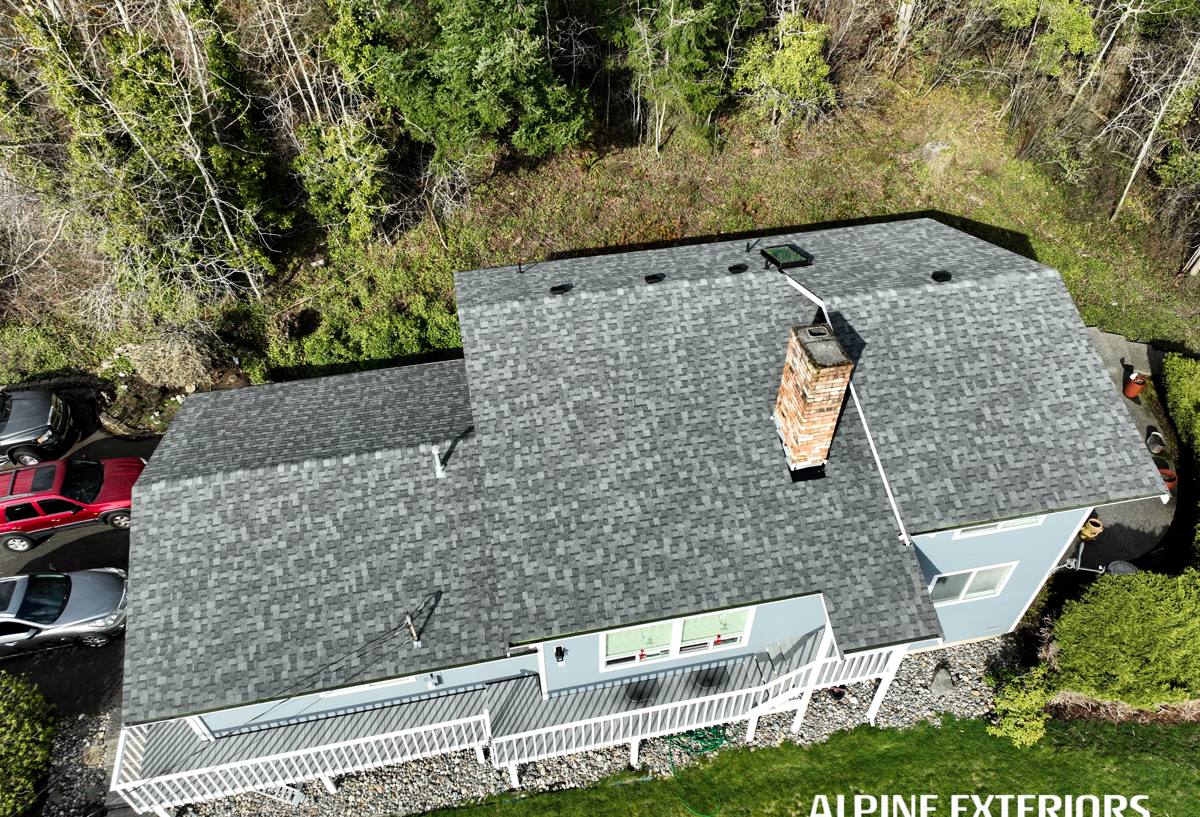
The Damage We See Most Often in Ellenton
Sun and Heat Damage
Manatee County gets intense, direct sun for most of the year. On wood decking, UV breaks down surface fibers and dries out natural oils, leading to graying, splintering, and cracked boards — especially on the south and west-facing sections that get the most afternoon exposure. On composite decking, sustained heat can cause boards to expand and contract repeatedly, which stresses fastener points and can lead to buckling or gapping over time.
Wind-Driven Rain and Moisture Intrusion
Florida rain rarely falls straight down. Wind pushes it sideways and up under railings, into board gaps, and around ledger board connections where the deck attaches to the house. That's where rot starts — not usually on the open surface of a board, but underneath, at joints, fastener holes, and the ledger connection, where moisture sits and doesn't dry out between storms.
Salt Air Corrosion
Being close to Tampa Bay means salt in the air, and salt is hard on metal. Screws, joist hangers, brackets, and railing hardware corrode faster here than they would inland. A deck can look structurally fine on the surface while the fasteners holding it together have quietly weakened underneath. This is one of the most common issues we find that a homeowner never would have spotted from a visual walk-around.
Storm and Wind Stress
Manatee County sees real hurricane-force wind events, and decks take direct load during those storms — from wind pressure on railings and structure, and sometimes from debris impact. Even when nothing looks obviously broken afterward, a storm can loosen connections, rack a frame slightly out of square, or stress fasteners in ways that show up as a soft spot or a wobble months later.
What a Correct Deck Repair Actually Involves
A repair that just replaces the board you can see and calls it done is a repair that misses the point in this climate. A proper deck repair in Ellenton starts with figuring out why that board or connection failed in the first place, because the same cause is usually working on the boards next to it too.
- Structural inspection first. We check the ledger board connection, joists, support posts, and footings before touching decking boards — this is where the load-bearing integrity actually lives.
- Fastener condition, not just board condition. Corroded screws, nails, and joist hangers get replaced with hardware rated for coastal exposure, even if the surrounding wood looks fine.
- Moisture path diagnosis. Rot rarely stops at the board where you can see it. We trace how water is getting in and getting trapped, and fix that path — not just the symptom.
- Matching materials correctly. Replacement boards and hardware need to match the existing deck's structure and finish, not just be "close enough" from whatever's in stock.
- Code and load compliance. Any structural repair — especially around ledger connections, posts, or railings — needs to meet current building code, not just be reattached the way it was originally built.
Repair or Replace? How We Help You Decide
Not every damaged deck needs a full replacement, and not every "just replace the bad boards" job is actually the honest answer. The right call depends on how far the damage has spread and what's underneath the surface.
| Factor | Favors Repair | Favors Replacement |
|---|---|---|
| Structural frame (joists, posts) | Solid, no soft spots or rot | Soft, spongy, or visibly compromised |
| Extent of damage | Isolated boards or one section | Spread across most of the deck surface |
| Ledger board condition | Sound, properly flashed | Rotted or improperly attached originally |
| Age of deck | Under 10-12 years, well-maintained | Original materials near or past service life |
| Fastener corrosion | Localized, easily replaced | Widespread corrosion throughout structure |
We'll always tell you honestly which side of that table your deck falls on. A repair that only delays a replacement you actually need isn't a good use of your money, and a full rebuild on a deck that just needs targeted fastener and board work isn't either.
How Our Deck Repair Process Works
- On-site assessment. We walk the deck, check the structure from underneath where accessible, and identify both visible and hidden damage.
- Honest scope and estimate. You get a clear explanation of what's actually wrong, what needs to be repaired now, and what to keep an eye on going forward — no upsell padding.
- Removal of compromised material. Rotted boards, corroded hardware, and any structurally weak framing get removed down to sound material.
- Structural repair. Framing, ledger connections, and support posts are repaired or reinforced to meet current code before any new decking goes down.
- Board and hardware replacement. New boards and coastal-rated fasteners are installed, matched to your existing deck where possible.
- Final walkthrough. We check the repair together before we consider the job done, and explain any maintenance that will extend its life.
Materials We Use and Why
Material choice matters more here than in a dry, inland climate. For wood repairs, we use pressure-treated lumber rated for ground contact and coastal exposure at structural points, since standard interior-grade lumber won't hold up to this humidity and salt air. For fasteners and hardware, we use stainless steel or coated hardware rated for coastal use — this is non-negotiable at connection points, since a repair is only as strong as the fastener holding it, and standard hardware corrodes fast this close to the bay.
For composite or capped composite decking repairs, we match board profiles and fastening systems to the existing deck as closely as possible, since mixing incompatible systems can create uneven expansion, visible gaps, or warranty issues down the line. If your existing decking is discontinued or hard to match, we'll tell you that upfront rather than installing a visible mismatch and hoping you don't notice.
Why a Crew That Already Works Ellenton Makes a Difference
Deck repair isn't just carpentry — it's carpentry that has to survive this specific climate. A crew that works Ellenton and the greater Bradenton area regularly has already seen how ledger connections fail on homes built the way yours likely was, how quickly corrosion sets in this close to the water, and which repair shortcuts don't hold up past a couple of storm seasons. That local pattern recognition is the difference between a repair that lasts and one you're calling about again in two years.
It also means we're not guessing at permitting requirements or structural standards for Manatee County — we work within them regularly. And when a repair uncovers something beyond the original scope, like a compromised ledger connection or spreading rot, we can explain what that means in terms specific to homes in this area, not generic advice pulled from a national manual.
Maintenance That Extends a Repair's Life
A good repair is only half the equation — how the deck is maintained afterward determines whether you're looking at another repair call in three years or in fifteen.
- Rinse off salt residue and debris periodically, especially after storms or high-wind events
- Check railings and fastener points for looseness a couple of times a year
- Keep an eye on the area where the deck meets the house — that ledger connection is the most common failure point
- Reseal or refinish wood decking on the schedule appropriate for its exposure, not just a generic yearly guess
- Address small issues — a loose board, a soft spot, a rust stain around a fastener — before they spread
- Keep vegetation and sprinklers from constantly wetting the same section of decking or framing
Get an Honest Look at Your Deck
If your Ellenton deck has a soft spot, a rusted railing bracket, sun-damaged boards, or storm-loosened connections, it's worth having someone look at the whole structure, not just the part that's visibly bothering you. We offer free, no-pressure estimates for deck repair work in Ellenton and the surrounding Bradenton area — use the form below and we'll take a look and give you a straight answer on what it needs.