 Bradenton Window
 Siding in Ellenton Has a Different Job to Do Than Siding Inland
Ellenton sits close enough to Tampa Bay and the Manatee River that its homes take on a specific mix of weather stress: salt-laden air moving inland off the water, hurricane-force wind gusts during named storms and even routine summer squalls, wind-driven rain that gets pushed sideways into wall assemblies, and some of the most intense, sustained UV exposure in the continental United States. Any one of those factors will wear down an exterior over time. Together, in the same neighborhood, on the same house, they compound each other. Siding that was engineered for a milder climate — or installed without accounting for this specific combination — tends to show it early: fading, cupping, soft spots, and seams that open up years before they should.
That's the lens we use on every Ellenton siding installation: not "what's the cheapest way to cover the walls" but "what actually survives this exposure for decades without babysitting." That standard is why we install James Hardie fiber cement siding exclusively and why we don't offer vinyl, LP SmartSide, Cemplank, Allura, or wood siding as alternatives. We'll explain why below, but the short version is that Manatee County's climate doesn't reward compromise on the wall envelope.
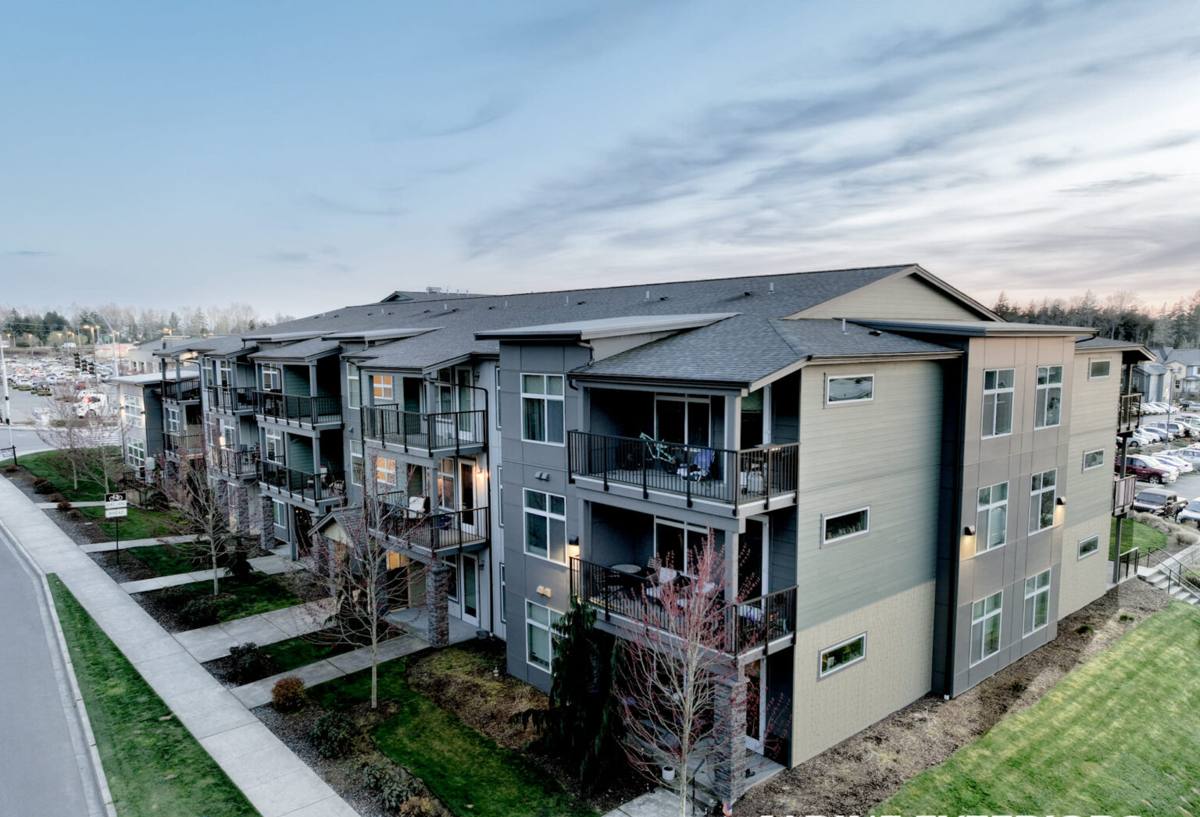
What Local Homes Are Actually Fighting
Salt Air and Coastal Humidity
Even homes that aren't waterfront in Ellenton sit close enough to the bay and the Gulf that airborne salt is a constant, low-level presence. Salt is corrosive to exposed metal fasteners and trim, and it accelerates the breakdown of coatings that aren't formulated to resist it. Humidity that never fully lets up for months at a time also means siding assemblies need to manage moisture vapor, not just block liquid water.
Hurricane and Tropical Storm Wind
Manatee County sits in a wind zone where design wind speeds matter for every exterior component, not just the roof. Siding has to stay fastened through sustained high winds and wind-driven debris, and it has to be installed with the right fastener spacing, clearances, and butt-joint treatment to actually perform at its rated wind resistance — the material rating on a spec sheet only means something if the installation matches it.
Wind-Driven Rain
During tropical systems, rain in this area doesn't fall straight down — it drives horizontally into walls, especially around window and door openings, corners, and anywhere two building planes meet. Flashing details and water-resistive barrier work behind the siding matter as much as the siding itself. A beautiful installation with sloppy flashing will still leak.
Year-Round UV
West Florida sun is intense and consistent almost every month of the year. Paint films, uncoated composites, and some engineered wood products degrade faster here than in most of the country. Factory-applied, baked-on finishes hold color and integrity far longer than field-applied paint under this kind of UV load.
What a Correct Siding Installation Actually Involves
Siding installation is often sold as a simple swap — old boards off, new boards on. On an Ellenton home, that shortcut is exactly how a first-rate product ends up performing poorly. A correct installation includes:
- Full tear-off and inspection of the sheathing underneath — not just the visible siding — to check for rot, prior water intrusion, or damaged framing before anything new goes up
- A continuous, correctly lapped water-resistive barrier installed to shed water downward and outward, not trap it against the wall
- Proper flashing at every window, door, and penetration, integrated with the barrier so water is directed out, not behind the new siding
- Correct fastener type, length, and spacing for the specific product and local wind zone requirements
- Manufacturer-specified clearances at the ground, roofline, and any adjoining surfaces so the bottom edge of the siding never sits in standing water or trapped moisture
- Properly caulked and sealed joints using compatible sealants, not generic caulk that will fail under UV and movement
- Final trim and finish work that keeps water moving away from seams instead of collecting at them
Skip any one of these steps and the house may look finished for a season or two before problems start showing up in the wall assembly, where they're far more expensive to fix than they would have been to prevent.
Why We Standardized on James Hardie Fiber Cement
We made a deliberate decision to install only James Hardie siding, and we don't treat that as a marketing angle — it's an installation standard we hold ourselves to. Fiber cement is non-combustible, which matters in a state where wildfire and electrical fire risk are both real considerations, and it doesn't attract termites or carpenter ants the way wood-based products can. Hardie's HZ5 product line is specifically engineered for hot, humid climate zones like ours, and the ColorPlus finish is baked on at the factory under controlled conditions rather than applied on-site, which is a major reason it holds color and resists the kind of UV fading that's common here.
Other products have real strengths — engineered wood siding can be lighter and faster to install, vinyl is inexpensive up front, and some fiber cement alternatives are competitively priced. We're not going to tell homeowners those products don't work anywhere. What we will say is that after years of installation experience in this exact climate, we saw a consistent pattern: products not engineered specifically for sustained heat, humidity, salt exposure, and wind-driven rain need more maintenance, fail sooner at seams and edges, or depend heavily on a perfect installation to hold up — and "perfect installation" isn't a bet we want a homeowner's largest asset resting on. Hardie's combination of factory finish, climate-specific engineering, and a well-documented installation standard is what let us commit to one product and get genuinely excellent at installing it correctly, every time.
How Our Process Works on an Ellenton Job
1. On-Site Assessment
We walk the exterior, check the current siding and trim condition, look for signs of past water intrusion, and note anything specific to the lot — tree cover, drainage patterns, sun exposure on each elevation — that affects material choice and detailing.
2. Scope and Product Selection
We go over which Hardie product line and profile fits the home — lap siding, panel, or shingle-style — along with color options from the ColorPlus palette, and give a written scope so there's no ambiguity about what's included.
3. Tear-Off and Sheathing Check
Old siding comes off, and we inspect the sheathing before anything new goes up. If there's rot or damage, we address it before installation continues — installing new siding over a compromised wall doesn't fix the underlying problem.
4. Weather Barrier and Flashing
This is the step that determines whether the house stays dry for the next 20-plus years. We install the water-resistive barrier and flashing to manufacturer specification, with particular attention to window and door openings and any wall penetrations.
5. Installation to Spec
Fastening, spacing, and clearances follow James Hardie's published installation guidelines for our wind zone, not shortcuts based on "how it's usually done."
6. Finish, Caulk, and Final Walkthrough
Trim, caulking, and touch-up happen last, followed by a walkthrough so the homeowner can see the finished work and ask questions before we consider the job done.
Material Comparison: What's Actually Different
| Factor | James Hardie Fiber Cement | Vinyl | Engineered Wood (e.g., LP SmartSide) |
|---|---|---|---|
| Combustibility | Non-combustible | Combustible, can melt/deform in high heat | Combustible |
| UV/Color Retention | Factory-baked ColorPlus finish, long fade resistance | Color molded in but can fade and chalk over time | Field or factory-primed; repainting needed over time |
| Moisture Behavior | Engineered to resist moisture damage; won't rot | Doesn't rot but can trap moisture behind it if installed poorly | Wood-based core is moisture-sensitive if the finish is compromised |
| Pest Resistance | Not a food source for termites/carpenter ants | Not a food source, but gaps can shelter pests | Wood-based; vulnerable if moisture gets in |
| Wind Performance | High, when installed to spec for local wind zone | Lower impact and wind resistance generally | Moderate, installation-dependent |
| Maintenance | Occasional cleaning; no repainting for the ColorPlus finish life | Low maintenance but limited repair options | Periodic repainting/resealing typically required |
This table reflects general product characteristics, not a claim that every non-Hardie installation will fail — it's meant to show why, for this specific climate, we standardized on one system rather than offering several.
Signs Your Ellenton Home's Siding Needs Attention
- Visible cupping, warping, or buckling in individual boards or panels
- Soft or spongy spots when you press on the siding, especially near the bottom edge or corners
- Persistent fading or chalking well before the product's expected lifespan
- Cracked or missing caulk at seams, windows, and trim joints
- Peeling paint or finish, particularly on south- and west-facing walls
- Interior signs of moisture near exterior walls — musty smell, staining, or bubbling drywall
- Gaps opening up at panel seams or corner boards after storm season
Any one of these can be a minor fix, but on older or improperly installed siding they're often early warnings of moisture already working into the wall assembly.
Warranty and What It Actually Covers
James Hardie backs its siding products with a non-prorated limited warranty and the ColorPlus finish carries its own separate coverage — both are transferable if the home is sold, which matters for resale value in a market where buyers increasingly ask about exterior condition and materials. Warranty coverage on any siding product, though, is only as good as the installation underneath it. Manufacturer warranties typically require installation to be done per their published specifications, which is one more reason installation quality isn't optional — it's what keeps the product warranty valid in the first place, on top of simply keeping water out of the walls.
Why a Crew That Already Works Ellenton Matters
Manatee County's permitting requirements, wind zone standards, and inspection process are specific, and they don't always match what a crew based elsewhere assumes going in. A crew that regularly works Ellenton and the surrounding Bradenton area already knows the local permitting expectations, has a working relationship with local inspectors, and has seen firsthand how different products and installation details hold up through actual storm seasons here — not in a lab or in a different climate. That local track record shows up in fewer surprises during the permitting process and in installation details that are tuned to what this specific area's weather actually does to a house.
If your Ellenton home's siding is showing its age, or you're planning ahead of a renovation, we're glad to walk the exterior with you and give a straightforward, no-pressure estimate — no upsell script, just an honest look at what your home needs.