 Bradenton Window
 Building New on Holmes Beach? The Windows Have to Work Harder Here
Holmes Beach sits right on Anna Maria Island, which means every window going into a new-construction home there is doing a job that inland Manatee County windows simply don't have to do. You're not just picking a style and a color. You're choosing a product and an installation method that has to survive direct hurricane exposure, near-constant salt air, wind-driven rain, and UV levels that don't let up for most of the year. When we frame out window openings on a new build in Holmes Beach, we're building for that environment from the first measurement, not retrofitting for it later.
New-construction windows are different from replacement windows in more than just the obvious way. On a new build, we're working with open framing, no existing trim or interior finish to protect, and a chance to get the flashing, sealing, and structural anchoring exactly right before drywall and siding close everything in. That's an advantage — but only if it's used correctly. Get it wrong at this stage on a barrier island home, and you're looking at leaks, corrosion, or a failed wind-load connection that won't show up until the next big storm.
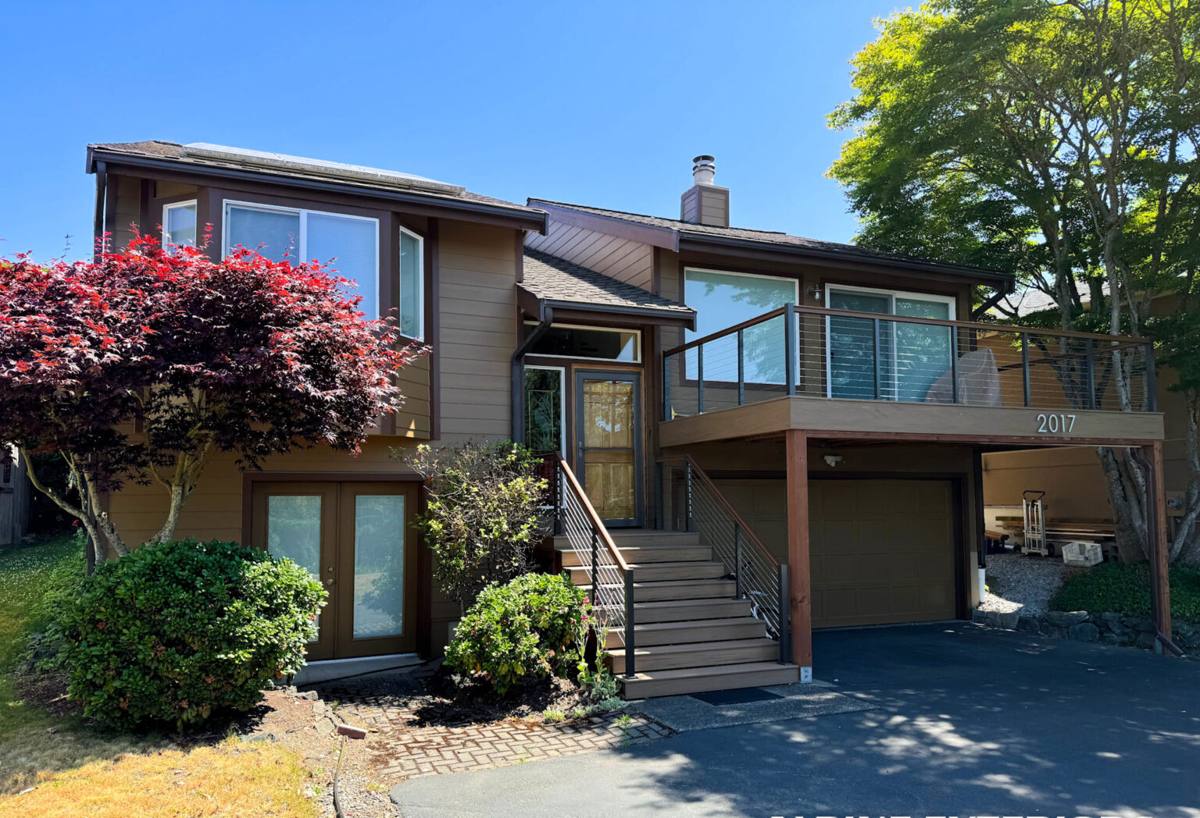
Why Holmes Beach's Climate Drives Every Decision
Hurricane-Force Wind and Wind-Borne Debris
Holmes Beach is in one of the more demanding wind zones in Florida, and being on the Gulf side of Anna Maria Island puts new construction there squarely in high-velocity hurricane zone territory for design purposes. That means windows need to meet strict impact and pressure standards — not "hurricane resistant" as a marketing phrase, but actual tested and labeled performance for wind pressure and large-missile impact. The window itself, the anchoring into the framing, and the perimeter sealant all have to work together as one system, because a storm doesn't test just the glass — it tests the whole assembly.
Salt Air and Corrosion
Being this close to the Gulf, salt-laden air is a daily fact of life, not an occasional event. Salt accelerates corrosion on hardware, fasteners, and lesser-grade aluminum components faster than most homeowners expect. A window that would hold up fine twenty miles inland can start showing pitting, hardware failure, or seal degradation within a few years on the island if the materials and finishes weren't chosen with that exposure in mind.
UV and Heat
Florida sun is intense everywhere, but a coastal, largely unshaded island lot gets more direct exposure over more of the day than a tree-covered inland site. UV breaks down inferior sealants, fades interior finishes, and drives cooling loads up if the glass package isn't right. On new construction, this is the moment to build in the right glass coatings and framing — it's far more cost-effective now than replacing underperforming units after the home is finished and occupied.
Wind-Driven Rain
Wind and rain rarely arrive separately here. Storms and even routine summer squalls push rain sideways and upward into wall assemblies, which is why flashing detail and sill pan design matter as much as the window unit itself. A watertight window that's flashed incorrectly will still leak.
What "New Construction" Windows Actually Involve
New-construction windows are typically installed with a nailing or mounting flange that gets integrated directly into the wall's water-resistive barrier and flashing system, before exterior finish materials go on. This is different from a replacement or "retrofit" window, which is installed into an existing finished opening. On a new build, we get to set the window's position, shim and anchor it to structural framing, and build the flashing and sealant layers in the correct order — over, under, and around the flange — so water is directed out, not in.
Done right, this approach gives a cleaner, more durable result than any replacement scenario ever can, because there's no old opening, old caulking, or hidden rot to work around. Done wrong — flange not integrated with the house wrap correctly, fasteners in the wrong pattern, sill pan skipped — problems can stay hidden behind finished walls for years before they show up as stains, soft drywall, or mold.
Choosing the Right Window Package for a Holmes Beach Build
There's no single "best" window for every new home here — the right choice depends on the home's design pressure requirements, budget, and how much of the building envelope faces open water or prevailing wind. That said, a few factors matter more on the island than elsewhere in the county.
| Factor | Why It Matters Here | What We Look At |
|---|---|---|
| Impact rating | Coastal high-velocity hurricane zone exposure | Large-missile impact test data specific to the design pressure at your elevation and exposure category |
| Frame material and finish | Constant salt air accelerates corrosion | Marine-grade hardware, corrosion-resistant fasteners and finishes over bare or lower-grade aluminum |
| Glass coating | Year-round intense UV and solar heat gain | Low-E coatings matched to orientation — west and south exposures often need different glass than north-facing openings |
| Flashing and sill pan system | Wind-driven rain intrusion risk | Sill pan flashing integrated with the house wrap, not just caulk at the flange |
| Anchoring method | Wind pressure and uplift on the whole opening | Fastener type, spacing, and embedment matched to the framing member and the window's tested anchoring requirements |
We'll walk through these trade-offs with you in plain terms — there's rarely a wrong answer, but there is usually a package that fits your specific lot, orientation, and budget better than a generic one would.
Our New-Construction Window Process
The process is the same discipline whether it's one window or a full house of openings, because on new construction there's no room for shortcuts that only reveal themselves after the walls are closed.
- Plan review and take-off. We review the architectural plans and window schedule, confirm design pressure requirements for the site, and verify egress, tempered glass, and other code-driven requirements before ordering anything.
- Rough opening verification. We check every rough opening against the approved window sizes before install day — this catches framing errors while they're still cheap to fix.
- Flashing and sill pan installation. Sill pans and flashing tape get installed in the correct shingle-lap sequence with the house wrap, before the window goes in — this is the step that determines whether the wall stays dry for the next thirty years.
- Setting and anchoring the window. Units are shimmed level and plumb, then anchored per the manufacturer's tested fastening schedule into structural framing — not just into sheathing.
- Perimeter sealing. A compatible, UV-stable sealant is applied around the flange and any exposed fastener heads, following manufacturer specifications so the sealant and flashing work together rather than fighting each other.
- Final inspection and documentation. We photograph flashing and anchoring before it's covered by siding or stucco, and keep the impact/wind-rating labels and installation documentation you'll need for permitting, insurance, and any future resale.
Permitting and Manatee County Code Requirements
New-construction windows on Anna Maria Island fall under Florida Building Code wind-borne debris and high-velocity hurricane zone provisions, and permitting runs through Manatee County and, for work within Holmes Beach city limits, the local building department's review process. Every window has to be installed and documented to match its tested design pressure rating for that specific opening — not just "hurricane rated" in a general sense, but rated for the actual pressures your home's height, exposure, and location generate. We handle the product approval documentation and coordinate inspections as part of the job, so you're not the one chasing paperwork mid-build.
Checklist: What to Confirm Before Your Windows Go In
- Design pressure ratings match your home's specific wind zone, height, and exposure category — not a generic coastal rating
- Impact rating covers large-missile impact, appropriate for a barrier island location
- Sill pan flashing is specified and integrated with the house wrap, not left to caulk alone
- Hardware and fasteners are corrosion-resistant grades suited to direct salt air exposure
- Glass coatings are selected per elevation/orientation, not the same package on every side of the house
- Product approval numbers and installation instructions are on file for permitting and future insurance documentation
- Installer provides photos of flashing and anchoring before the opening is covered
Why Hiring a Crew That Already Works Holmes Beach Matters
A lot of window problems on coastal new construction don't come from a bad product — they come from installation details that were fine for a standard subdivision house but wrong for a barrier island. Crews that mostly work inland Bradenton or Manatee County builds may not be used to the flashing sequences, fastening schedules, and code interpretations that apply specifically in a high-velocity hurricane zone like Holmes Beach. We work these conditions regularly, which means we're not learning the local wind zone requirements or the county's inspection expectations on your project — we already know them going in.
It also means we understand the practical realities of building on the island: tighter lot access, staging materials around limited space, and coordinating install timing with other trades on a new-construction schedule. None of that is complicated, but it's the kind of local familiarity that keeps a build moving instead of stalling on avoidable delays.
What Homeowners and Builders Often Get Wrong
The most common mistake we see isn't a bad window — it's mismatched expectations about what "hurricane rated" actually covers. Some products are rated for wind pressure but not large-missile impact, or are rated for a lower design pressure than what your specific opening on your specific elevation requires. Another frequent issue is treating flashing as an afterthought — caulk applied around a flange after the fact is not the same as a properly lapped sill pan and flashing system, and the difference only shows up after the first serious wind-driven rain event, usually as a stain no one can trace back to its source. We build in the correct sequence the first time so you're not troubleshooting a finished wall later.
If you're planning new construction in Holmes Beach and want windows specified and installed correctly for this stretch of coast, we're happy to walk your plans, talk through the product and glass options that make sense for your site, and put together a free, no-pressure estimate. There's a form below to get that started.