 Bradenton Window
 Holmes Beach Sits Right at the Edge of the Gulf — Your Windows Feel It
Holmes Beach is barrier island living. That's a big part of why people love it, and it's also why the windows on a Holmes Beach home have a harder job than windows almost anywhere else in Manatee County. You're closer to open water, more exposed to direct Gulf wind, and dealing with salt-laden air almost every day of the year. A window that would hold up fine on a home ten miles inland can start failing early out here if it wasn't built, or installed, with that exposure in mind.
This page is specifically about window installation for Holmes Beach properties — not a general Bradenton window page. The materials, the fastening, the sealant, and the sequence of the install all need to account for a barrier island environment, not just "Florida weather" in the abstract.
What Bradenton's Coastal Climate Does to a Window Over Time
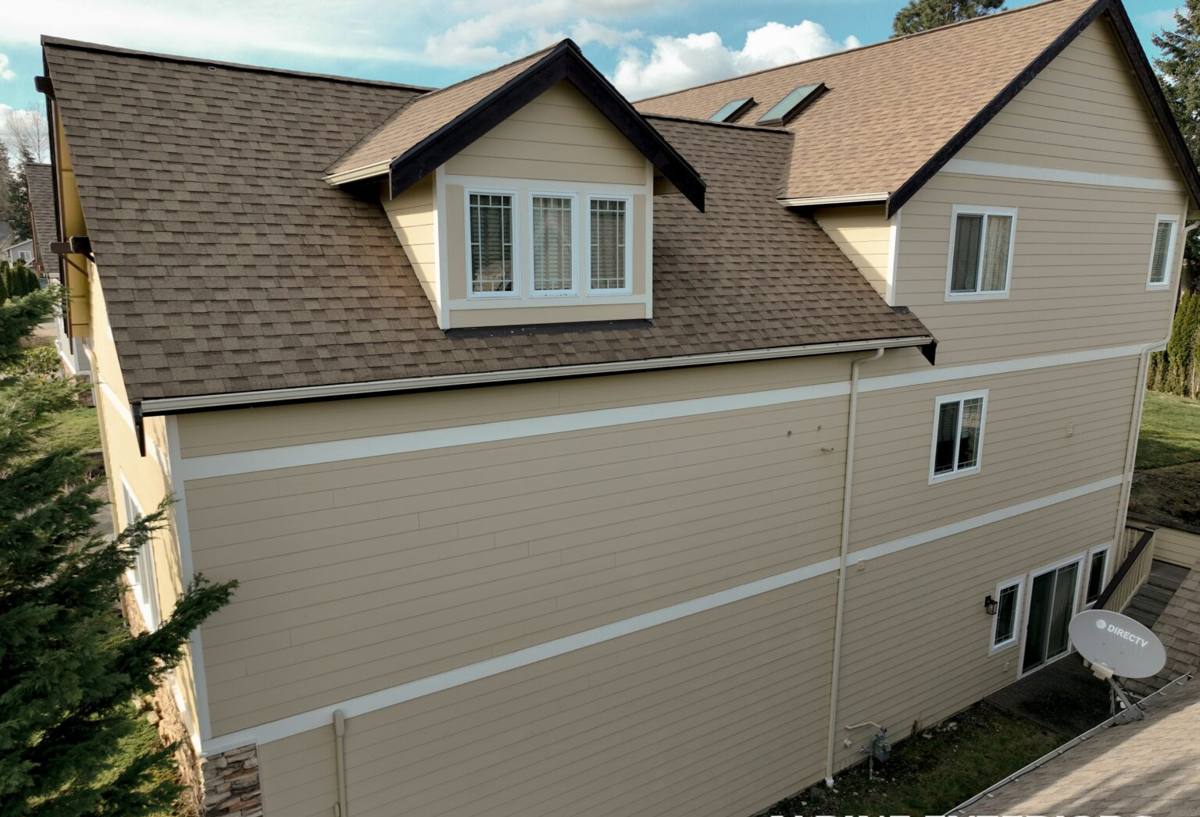
Every window on this island is under constant, low-grade attack from four things: sun, salt, wind, and water. None of them cause a dramatic failure overnight — they wear a window down over years, until a homeowner notices fogging, sticking, drafts, or a frame that's started to chalk and pit.
Salt Air and Hardware
Salt in the air settles on everything, including window hardware, screen frames, and fasteners. Lower-grade metals corrode faster near the coast than inland, and once corrosion starts on a hinge, lock, or crank mechanism, the window gets harder to operate and harder to seal tightly. This is one reason hardware selection matters as much as glass selection on an island install.
UV and Seal Breakdown
Central Florida gets strong, near year-round sun, and Holmes Beach gets it with almost nothing blocking direct exposure. UV breaks down the seals and gaskets in a window over time, which is usually what causes double-pane windows to fog between the panes — the seal has failed, moisture got in, and it's not repairable, only replaceable.
Wind-Driven Rain and Water Intrusion
Storms here don't just bring rain — they bring rain moving sideways under pressure. A window can be a perfectly good product and still leak if the flashing and sealant around it weren't installed correctly. On a barrier island, wind-driven rain finds every gap, so the installation detail around the window often matters more than the window itself.
What a Correct Window Installation Actually Involves
A window install isn't just "remove old window, set new window, caulk the edges." Done correctly for a coastal Manatee County home, it's a sequence where each step protects the next one.
Permitting and Wind Load
Coastal properties in this part of Florida typically fall within a wind-borne debris region, which means the local building department has specific requirements for the products used and how they're documented. Window replacement on Holmes Beach almost always requires a permit, and the products installed need to carry the appropriate Florida product approval for the wind loads your specific home is rated for. This isn't paperwork for its own sake — it's what keeps the window in the opening during a real storm.
Flashing and Water Management
Before a new window ever goes in, the opening needs to be properly prepped — old sealant and damaged material removed, the rough opening checked for level and square, and a water-management detail (like a sill pan and properly lapped flashing) installed so that any water that does get past the window sheds back outside instead of into the wall cavity. This step is invisible once the job is done, which is exactly why it's the step that gets skipped by installers in a hurry.
Fastening and Sealant Compatible With Coastal Materials
Fasteners need to be rated for the wind load and resistant to corrosion — not just whatever's on the truck. Sealant needs to be compatible with the surrounding wall material (stucco, siding, or masonry) and applied in the right locations, not just smeared around the trim after the fact for looks.
Impact-Rated vs Standard Windows on a Barrier Island
Not every Holmes Beach home is required to use impact-rated glass, but most benefit from it, and it's worth understanding the real differences before you decide.
| Factor | Impact-Rated Window | Standard Window + Shutters |
|---|---|---|
| Storm protection | Built into the glass itself, always in place | Only effective if shutters are actually deployed before the storm |
| Daily UV and noise | Laminated glass also cuts UV transmission and outside noise | No added benefit day-to-day |
| Upfront cost | Higher per window | Lower per window, but add shutter cost and labor |
| Maintenance | Minimal; hardware still needs normal care | Shutters need to be maintained, stored, and installed/removed |
| Insurance considerations | Often recognized favorably in wind mitigation inspections | Varies; shutters must meet code to count |
Neither option is wrong in every case — it depends on your home, your budget, and whether you're around to deploy shutters when a storm is approaching. We'll walk through what's appropriate for your specific property rather than pushing one answer for every house on the island.
Our Installation Process
- On-site assessment — we measure openings, check the existing wall and framing condition, and talk through what you actually need from the windows (storm protection, energy performance, noise, appearance).
- Product selection and permitting — we help you choose a window with the right product approval for your wind load, then handle the permit application through the local building department.
- Careful removal — old windows come out without unnecessary damage to the surrounding wall, stucco, or interior trim.
- Opening prep — the rough opening is checked, cleaned, and prepped with proper flashing and a water-management detail before the new window ever goes in.
- Installation — the window is set level, plumb, and square, fastened to the wind-load spec, and sealed with the correct materials.
- Inspection — the completed work is checked against the permit requirements, and any required inspection is coordinated with the county or city.
- Walkthrough — we go over operation, hardware care, and what to expect from the new windows before we consider the job done.
Signs Your Holmes Beach Windows Are Due for Replacement
Coastal exposure tends to show up in specific, recognizable ways. If you're seeing more than one or two of these, it's worth having the windows looked at:
- Fogging or a hazy film between the panes of a double-pane window
- Hardware — locks, cranks, hinges — that's stiff, corroded, or won't fully engage
- Visible pitting, chalking, or discoloration on metal or vinyl frames
- Drafts you can feel around the frame even when the window is latched
- Water staining on the wall or sill below the window after storms
- Windows that are noticeably harder to open and close than they used to be
- Rising energy bills without another clear explanation
- Visible daylight or gaps around the frame edges
Why a Local Bradenton Crew That Already Works Holmes Beach Matters
Island work has its own logistics. Access is limited to the causeway, parking and staging space is tighter than on the mainland, and a lot of Holmes Beach properties are seasonal or vacation-rental homes with their own scheduling constraints. A crew that already works this island knows how to plan a job day around that instead of getting stuck by it.
Local familiarity also matters on the permitting and inspection side. Requirements and documentation for coastal wind-borne debris regions are specific, and a crew that pulls permits in Manatee County regularly moves through that process faster and with fewer surprises than a company that rarely works this close to the Gulf. And if something needs a follow-up visit — an adjustment, a warranty check, a small punch-list item — being based in Bradenton means that's a short trip, not a special occasion.
Cost Factors for Window Installation on a Barrier Island
We're not going to quote a number here that doesn't apply to your actual house — every home is different. What we can tell you is what actually moves the price up or down, so you know what you're evaluating when you get an estimate.
| Factor | How It Affects Cost |
|---|---|
| Impact rating required | Impact-rated glass costs more per window than standard glass |
| Number and size of openings | Larger or unusually shaped windows cost more to source and install |
| Frame material | Vinyl, aluminum, and fiberglass have different price points and coastal durability |
| Condition of the existing opening | Rot, damaged framing, or out-of-square openings add prep labor |
| Access and staging | Second-story windows or tight island lots can add labor time |
| Permit and inspection requirements | Wind-borne debris region documentation adds administrative time, not just materials |
Ready to Talk About Your Windows?
If your Holmes Beach home has windows that are fogging, sticking, leaking during storms, or just past their reasonable service life, we're happy to take a look and give you an honest read on what you're dealing with. There's no pressure and no sales script — just a straightforward assessment from a crew that works this island regularly. Fill out the form below for a free estimate.