 Bradenton Window
 Why Samoset Roofs Take a Beating — and What That Means for Your Roof Choice
Samoset sits inland enough from Tampa Bay to feel like it's sheltered, but it isn't. Every roof in this part of Manatee County lives under the same four stressors year-round: sustained tropical humidity, UV exposure strong enough to break down organic roofing materials in a decade or less, wind-driven rain that finds every gap in flashing and fastening, and salt-laden air that drifts in off the Gulf and Tampa Bay and settles on every exposed metal surface in the neighborhood. None of that is dramatic on any single day. It's the accumulation — thousands of hours of sun, dozens of wind events, and constant low-grade corrosion exposure — that wears an under-built roof down faster than homeowners expect.
Metal roofing handles that combination better than almost any other residential roofing material, but only when it's the right system, installed correctly, with the right fasteners, flashing details, and coatings for a coastal Southwest Florida property. A metal roof put on wrong — wrong gauge, wrong fastener pattern, wrong flashing at penetrations — will fail in exactly the ways this climate is designed to find. That's the gap we focus on closing for Samoset homeowners.
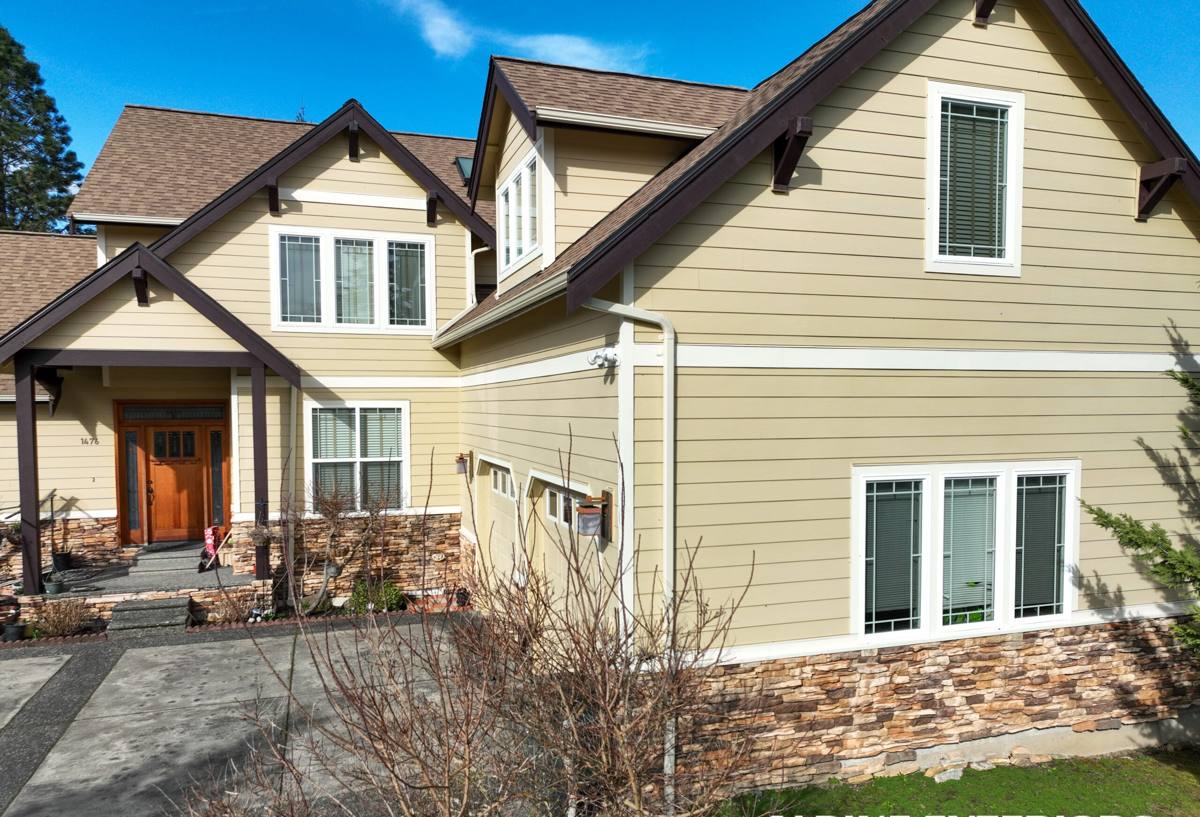
What a Correct Metal Roofing Installation Actually Involves
Metal roofing looks simple from the ground: panels, seams, done. The performance difference between a roof that lasts 40-plus years and one that leaks within five comes down to details most homeowners never see once the roof is finished.
Deck Inspection and Underlayment
Metal panels are only as good as what's underneath them. Before any panel goes down, the roof deck needs to be checked for soft spots, delamination, or existing water damage — issues that are common on older Samoset homes where a prior roof sat too long. We install a high-temperature synthetic or self-adhered underlayment rated for Florida's heat, not a builder-grade felt that degrades under a hot metal panel. In valleys and around penetrations, we add self-adhering ice-and-water-style membrane, which in Florida's case is really a wind-driven-rain barrier, not an ice barrier — but it does the same job of sealing around fasteners.
Fastening and Seams
This is where wind resistance actually lives. Exposed-fastener panels rely on screws with rubber washers seated at the correct torque and spacing; too loose and they leak, too tight and the washer splits and fails early. Standing seam systems use concealed clips that let the panel expand and contract with heat without tearing at the fastener points — a real concern given how hot a dark metal roof gets under a Florida summer sun. Fastener spacing and clip count both need to match the wind zone the home sits in, not a generic manufacturer minimum.
Flashing and Penetrations
Ridge caps, valleys, wall transitions, and every pipe boot or vent are where metal roofs actually leak — the flat field of panel almost never fails first. Correct flashing means proper overlap, sealant rated for sustained UV and heat exposure, and mechanical fastening behind the sealant, not sealant used as the only line of defense. We treat every penetration as its own detail to get right, not a place to rush.
Ventilation
A metal roof without proper ridge and soffit ventilation traps heat and humidity in the attic, which shortens the life of the decking underneath and drives up cooling costs. Correct installation includes checking existing ventilation and correcting it as part of the job, not leaving it for the homeowner to discover later.
Choosing the Right Metal System for a Samoset Home
Not every metal roofing product is built for the same job. For coastal Manatee County homes, the choice usually comes down to two systems.
| Factor | Standing Seam | Exposed-Fastener (Screw-Down) |
|---|---|---|
| Fasteners | Concealed clips, no exposed screws | Visible screws through the panel face |
| Wind performance | Excellent; panel isn't punctured by fasteners | Very good when installed and spaced correctly |
| Maintenance | Minimal; no washers to inspect or replace | Washers should be checked periodically and can wear over time |
| Upfront cost | Higher material and labor cost | More budget-friendly |
| Typical lifespan | 40-70 years with proper coating | 30-50 years with proper coating and maintenance |
| Best fit | Long-term ownership, higher-exposure lots | Value-focused projects, outbuildings, additions |
Both systems can perform well in this climate when the gauge, coating, and fastener spec are matched to the home's exposure. We walk homeowners through this trade-off honestly rather than defaulting to whichever product carries the better margin — the right answer depends on budget, how long you plan to own the home, and how exposed the lot is to open wind.
Wind Ratings and Manatee County Code Requirements
Manatee County follows the Florida Building Code's high-velocity and wind-borne debris provisions, which set minimum uplift resistance for roofing systems based on the home's wind zone, height, and exposure category. A permitted metal roof installation has to be engineered and installed to meet that rating — it isn't optional paperwork, it's the difference between panels that stay attached in a tropical storm and panels that peel off in a strong afternoon squall.
Part of doing this correctly is pulling the permit, following the inspection process, and documenting the fastening pattern and underlayment used. Skipping that step to save time is one of the more common shortcuts we see on roofs we're called to repair later — and it can also complicate insurance claims and home sales down the road.
Salt Air, Corrosion, and Coatings
Samoset isn't beachfront, but it's close enough to the Gulf and Tampa Bay that airborne salt is a real factor in how a metal roof ages. Salt exposure accelerates corrosion at cut edges, fasteners, and any spot where the protective coating gets scratched or worn thin. This is why panel choice matters as much as installation quality.
- Coating type — look for a baked-on paint finish (like a Kynar/PVDF-class coating) rated for coastal exposure, not a bare or minimally coated panel.
- Gauge — thicker gauge steel or aluminum resists denting and holds up longer against salt-driven corrosion at cut edges.
- Fasteners — stainless or coated fasteners matched to the panel material prevent the galvanic corrosion that happens when dissimilar metals touch.
- Cut edges — factory-cut, painted edges hold up better than field cuts left unsealed; where field cuts are unavoidable, we treat the exposed edge.
None of this is about scaring homeowners into the most expensive option. It's about knowing which corners actually cost you a roof early and which don't matter much — and being upfront about that difference before the contract is signed.
Our Process, Start to Finish
- On-site assessment — we inspect the existing roof, deck condition, ventilation, and flashing points, and take real measurements rather than estimating from satellite imagery.
- System recommendation — we walk through standing seam versus exposed-fastener options, panel material, and coating, matched to your budget and how long you plan to stay in the home.
- Permitting — we handle the Manatee County permit application and the wind-uplift documentation required for approval.
- Tear-off and deck repair — old roofing is removed, and any soft or damaged decking is replaced before anything new goes down.
- Underlayment and flashing installation — synthetic underlayment, valley and penetration membrane, and new flashing are installed to current code.
- Panel installation — panels are installed with fastener spacing and clip counts matched to your home's wind zone, not a generic minimum.
- Final inspection and walkthrough — we walk the finished roof with you, cover maintenance basics, and make sure county inspection is scheduled and passed.
Maintenance: What Keeps a Metal Roof Performing for Decades
Metal roofing is low-maintenance compared to shingles, but "low" isn't "none." A few simple habits go a long way in this climate:
- Rinse off accumulated salt residue, pollen, and debris with a garden hose once or twice a year — pressure washing can damage coatings and isn't necessary.
- Clear leaves and debris from valleys and around penetrations after storms, before they trap moisture against the panel.
- Have fasteners and washers on exposed-fastener systems checked every few years, since washers are the first component to wear.
- Trim overhanging branches that can scratch coatings during wind events, exposing bare metal to salt air and moisture.
- After any major storm, do a visual check (or have us do one) for lifted panels, damaged flashing, or dented ridge caps before small damage turns into a leak.
Cost Factors for Metal Roofing in Samoset
Every metal roof is priced around the same core factors, but how they combine on your specific home is what determines the final number. We won't quote a number without seeing the roof, but here's what actually drives cost:
| Factor | Why It Matters |
|---|---|
| Roof size and complexity | More valleys, hips, and penetrations mean more flashing labor, not just more panel |
| Panel system | Standing seam costs more upfront than exposed-fastener, but often costs less over the life of the roof |
| Material | Steel and aluminum have different price points and different corrosion behavior near the coast |
| Deck condition | Rotted or damaged decking found during tear-off adds repair cost but is not optional to skip |
| Tear-off scope | Removing multiple layers of old roofing costs more than a single-layer tear-off |
| Ventilation upgrades | Correcting inadequate attic ventilation as part of the job protects the new roof's lifespan |
Metal roofing costs more upfront than asphalt shingles, but the trade-off is a roof that can outlast two or three shingle roof replacements over the same span, with less maintenance and better wind performance in the storms this area sees.
Why Hiring a Crew That Already Works in Samoset Matters
A crew that regularly works Manatee County jobs already knows the county's permitting process, the wind zone requirements for this area, and the kinds of deck and flashing issues that show up on homes of this age and construction type in this part of Bradenton. That familiarity shows up in fewer surprises during the project — permits move faster, inspections go smoother, and the crew isn't guessing at code requirements on the fly. It also means someone local is available if a question comes up after the job is done, rather than a crew that installed the roof and moved on to a different region entirely.
If you're weighing a metal roof for your Samoset home, we're happy to take a look and walk you through what your specific roof needs — no pressure, no hard sell. Request a free estimate through the form below and we'll set up a time to come take a look.