 Bradenton Window
 Windows Built for a Barrier Island
Longboat Key sits out on the Gulf, a narrow strip of land with saltwater on both sides. That location is exactly why the island is beautiful and exactly why its windows fail faster than windows almost anywhere else in the Bradenton area. Salt-laden air corrodes hardware and pits glass coatings. Gulf humidity pushes moisture into every gap a window wasn't sealed against. And when a storm rolls off the water, there's no inland buffer to slow the wind down before it hits the house. If you own a home or condo on Longboat Key, your windows are working harder than your neighbor's ten miles inland in Bradenton — and they need to be installed accordingly.
This page is about one thing: getting window installation right for Longboat Key homes specifically. Not a generic rundown of window types, but what actually matters when the house sits this close to open saltwater.
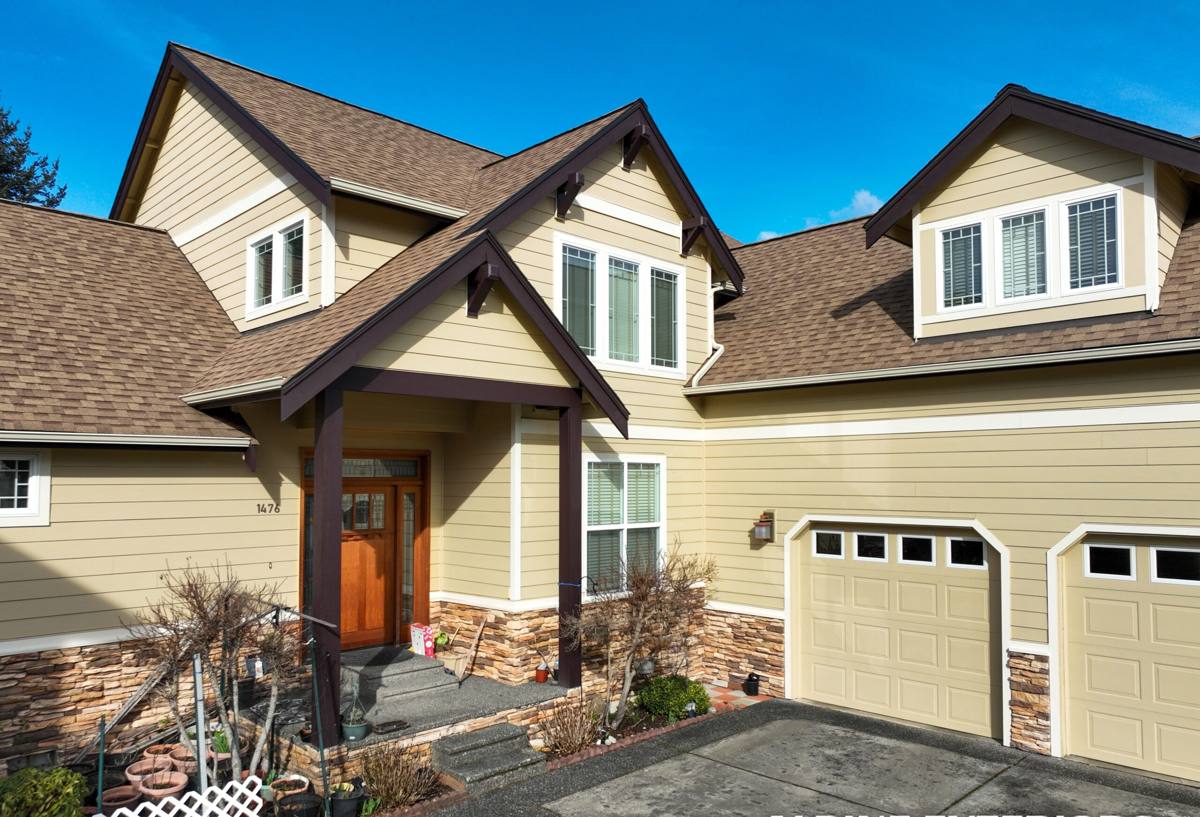
What the Island Climate Actually Does to Windows
Salt Air and Corrosion
Airborne salt settles on everything, including window frames, screws, and hardware. Aluminum and steel components that aren't properly rated or protected will corrode years ahead of schedule. This shows up first as pitted or chalky finishes, then as hardware that won't operate smoothly, and eventually as fasteners that weaken at the exact point holding the window to the wall. The fix isn't complicated — it's using frame materials, fasteners, and finishes rated for coastal exposure from day one — but it's a step that gets skipped when a crew treats a Longboat Key install like any other job.
Wind-Driven Rain
A storm doesn't need to be a hurricane to drive rain sideways into a window opening. On an exposed island, wind-driven rain finds any weak point in flashing or sealant and pushes water behind the frame, into the wall cavity, and eventually into drywall and insulation you can't see failing until it already has. Proper flashing and a continuous, correctly lapped water-management system around the opening matter more here than the window itself.
Hurricane-Force Wind Loads
Longboat Key homes face direct wind exposure with nothing to break the gust before it arrives. Windows here need to be rated and anchored for the wind pressures the Florida Building Code assigns to coastal and wind-borne debris zones, and that rating only means something if the anchoring, shims, and sealant are done to match the manufacturer's tested installation instructions — not just "good enough for most houses."
Year-Round UV
Florida sun is intense on any day of the year, and reflected sunlight off the water adds to it on the Key. UV breaks down inferior sealants and can prematurely age vinyl frames and glass coatings that aren't built for it, leading to warping, discoloration, and reduced energy performance well before a window's expected lifespan is up.
What a Correct Installation Involves
A window installation on Longboat Key has to get several things right at once — the product, the opening prep, and the fastening system all have to work together. Skipping any one of them is how a window that looks fine on install day starts leaking or failing within a couple of storm seasons.
- Opening inspection: checking the rough opening for water damage, rot, or settling before anything new goes in — installing a good window into a bad opening just hides the problem
- Correct product rating: matching the window's wind and impact rating to what the specific opening and elevation actually require, not a one-size-fits-all spec
- Flashing and water management: integrating the window with the wall's weather-resistive barrier so water is directed out, not trapped in
- Manufacturer-spec anchoring: using the fastener type, spacing, and embedment the product's testing and approval actually call for
- Sealant selection: marine-grade, UV-stable sealant at every joint, applied in the right sequence relative to flashing — not just caulked over the gap at the end
- Interior and exterior finish work: trim, sills, and stucco or siding tie-ins finished so the wall assembly is fully weathertight, not just the window itself
Our Process for Longboat Key Jobs
We treat island jobs as their own category, not a standard install with a longer drive.
1. On-Site Assessment
We look at each opening individually — sun and wind exposure, existing frame condition, signs of past water intrusion, and what the wall assembly behind the window actually looks like. Two windows on the same house can need different attention depending on which side of the building they're on.
2. Product Selection
We walk through frame material, glass package, and impact-rating options based on your exposure, your budget, and whether the home is full-time or a seasonal residence. There's no single "best" window for every Longboat Key property — the right choice depends on the specific building.
3. Permitting
Coastal window work on the Key requires permitting and inspection through the appropriate local building department, and we handle that process as part of the job rather than leaving it to the homeowner.
4. Installation
Removal of the old unit, opening prep and repair as needed, flashing, setting and anchoring the new window to spec, sealing, and finish work — done in that order, with nothing skipped to save time.
5. Final Inspection and Walkthrough
We check operation, sealant lines, and finish work with you before we call the job done, and we make sure you understand basic care for your new windows going forward.
Choosing the Right Window for a Longboat Key Home
Frame material and glass package both affect how a window holds up on the island. Here's how the common options generally compare for coastal exposure like Longboat Key's:
| Frame Material | Salt Air Resistance | Maintenance | Typical Lifespan |
|---|---|---|---|
| Vinyl (coastal-rated) | Good — won't corrode, but needs UV-stable formulation | Low | 20–30 years |
| Aluminum (marine-grade, properly finished) | Good with correct alloy and finish; poor if standard-grade | Moderate — finish needs monitoring | 20–30 years |
| Fiberglass | Very good — dimensionally stable, resists corrosion | Low | 30+ years |
| Wood-clad | Poor without diligent upkeep; not typical for direct coastal exposure | High | Varies widely with maintenance |
On glass, impact-rated laminated glass is the standard we recommend for Longboat Key exposure. It stays intact under wind-borne debris impact and holds up to sustained wind pressure without relying on separate storm shutters. Homeowners who prefer a non-impact window paired with code-compliant shutters are opting for a lower upfront cost in exchange for the ongoing task of deploying protection before every storm — a real trade-off worth thinking through, not a wrong choice, just a different one.
Why a Crew That Already Works the Island Matters
Longboat Key isn't logistically the same as a mainland Bradenton or Manatee County job. Bridge access affects scheduling and material delivery. Many properties are condos or HOA-governed communities with their own approval processes, exterior appearance standards, and contractor requirements that have to be sorted out before work starts. Homes are also often seasonal, which changes how a project needs to be scheduled and communicated with an owner who isn't on-site full time. A crew that's done this before knows to ask about HOA approval up front, plans deliveries around the bridge, and doesn't treat a condo unit like a standalone house. That experience shows up in fewer delays and fewer surprises mid-project.
Signs Your Longboat Key Windows Need Attention
- Fogging or condensation between panes — the seal has failed
- Corroded, pitted, or hard-to-operate hardware
- Visible daylight or a noticeable draft around the frame
- Chalky or discolored frame finish from UV and salt exposure
- Water staining on interior sills or nearby drywall after storms
- Windows that predate current wind-borne debris code requirements for the area
- Difficulty opening, closing, or locking the window
Questions Worth Asking Before You Hire Anyone
Whoever you hire for window work on Longboat Key, it's worth confirming a few things before signing anything:
- Are they pulling the required permit, or asking you to skip it?
- What wind and impact rating are they specifying for your specific elevation, and why?
- What fastener and sealant materials are they using, and are those materials rated for direct coastal exposure?
- Have they worked in your HOA or condo association before, and do they know its approval process?
- What does the warranty cover — product only, or labor and installation too?
If you're weighing a window replacement or planning ahead for one, we're happy to take a look and give you an honest read on what your home actually needs. Fill out the form below for a free, no-pressure estimate.