 Bradenton Window
 Metal Roofing Built for Tara's Climate, Not Just Its Curb Appeal
Tara sits inland enough from Sarasota Bay to escape the worst of direct salt spray, but Manatee County weather doesn't care about that distinction. Homes here still take a beating from three directions at once: sustained UV exposure that runs nearly year-round, wind-driven rain that finds every weak seam during summer storms, and the occasional hurricane-force gust event that tests every fastener on the roof. A metal roof installed correctly handles all three. A metal roof installed to a generic spec sheet, without accounting for local wind uplift and humidity behavior, tends to show its weaknesses within a few years — usually at the fasteners, the flashing, or the underlayment nobody sees until it fails.
This page is about metal roofing specifically for Tara homeowners, not a general overview of the product. If you're comparing metal against shingles or looking at a metal reroof after storm damage, here's what actually matters for a house in this part of Bradenton.
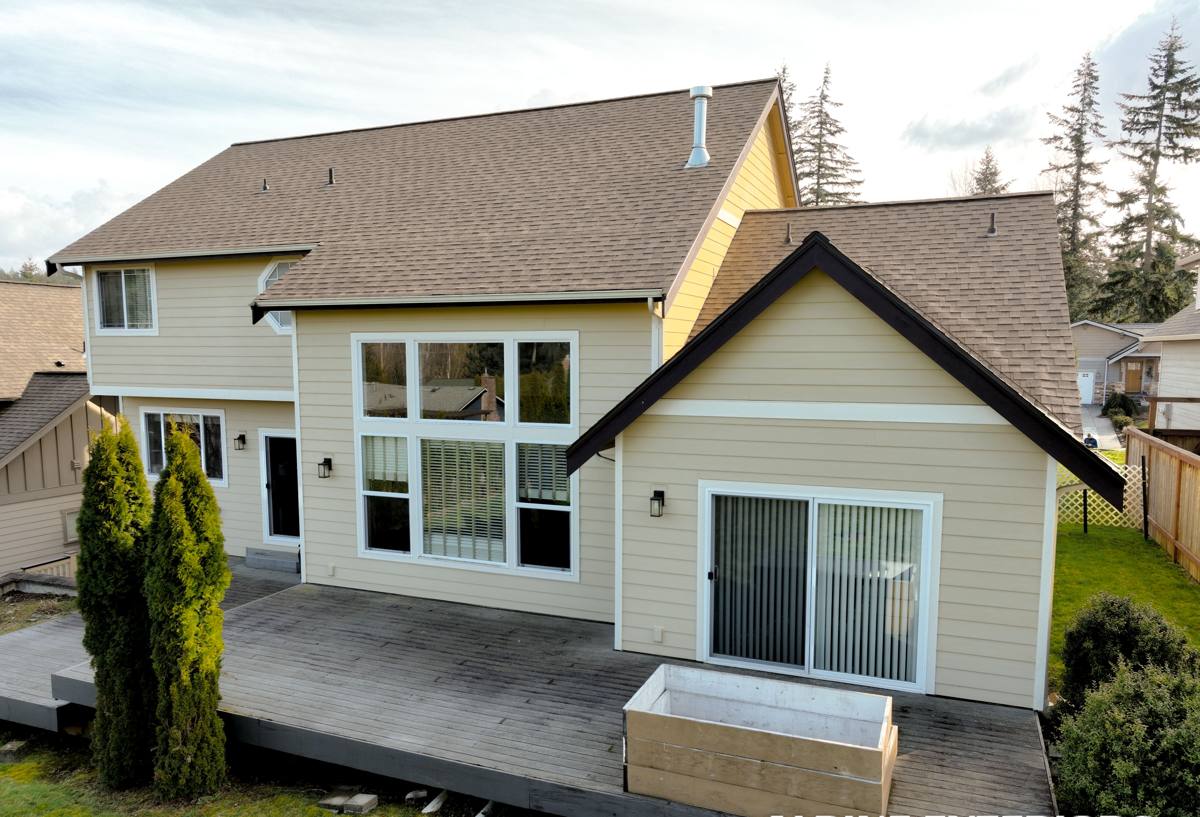
Why Metal Makes Sense in This Part of Bradenton
Tara's mix of single-family homes, many with moderate to steep roof pitches and mature tree canopy nearby, creates a specific set of demands:
- Wind performance: Manatee County's wind-borne debris region requirements mean fastening patterns and panel-to-deck attachment aren't optional upgrades — they're what keeps a roof on during a named storm.
- Heat load: Florida's UV exposure runs nearly 12 months a year. Reflective metal finishes reduce attic heat gain compared to dark asphalt shingles, which can ease the load on cooling systems in homes without deep roof overhangs.
- Debris and tree cover: Neighborhoods with established trees see more branch and leaf debris in valleys and around penetrations. Metal doesn't grow moss or trap organic debris the way granulated shingles can, but valleys and transitions still need to be detailed correctly to shed water and debris both.
- Longevity math: A correctly installed metal roof is typically rated for 40-plus years, which changes the cost conversation for homeowners planning to stay in Tara long-term versus those weighing a shorter-horizon shingle replacement.
What "Correctly Installed" Actually Means Here
A lot of metal roofing problems in this region trace back to shortcuts during installation, not defects in the material itself. The panels themselves are rarely the failure point — the details around them are.
- Proper underlayment rated for high heat and moisture, not a generic felt product that degrades under a metal panel's thermal cycling.
- Fastener spacing and type matched to the local wind uplift requirements, not a one-size-fits-all pattern pulled from a different climate zone.
- Flashing at every penetration — vents, chimneys, skylights — formed and sealed to shed water in wind-driven rain, not just vertical rainfall.
- Proper allowance for thermal expansion and contraction, since Florida's daily temperature swings between a hot afternoon and a cooler night are more aggressive on metal than people expect.
- Ventilation that matches the panel system, so trapped attic moisture doesn't condense against the underside of the deck.
Panel Types and What We Actually Recommend
Not every metal roofing product performs the same way in a coastal-influenced climate. We steer homeowners toward systems that hold up to Florida's specific combination of heat, humidity, and wind rather than whatever is cheapest to source.
| Panel Type | Typical Use | Trade-Offs |
|---|---|---|
| Standing seam (concealed fastener) | Most residential reroofs, especially where long-term low maintenance matters | Higher upfront cost; no exposed fasteners to loosen or corrode over time |
| Exposed-fastener panels | Budget-conscious projects, secondary structures | Lower cost, but fasteners need periodic inspection and re-torquing as gaskets age |
| Stone-coated steel | Homeowners wanting a shingle or tile appearance with metal's wind and fire performance | Heavier system; installation detailing is less forgiving of shortcuts |
For most Tara homes, we recommend standing seam for primary living space roofs because the concealed fastener design removes the single most common long-term failure point — fastener backout and gasket degradation under UV and thermal cycling. Where budget is the deciding factor, exposed-fastener systems can still perform well, but they require a maintenance mindset that not every homeowner wants to take on.
Our Process for a Tara Metal Roof Project
1. On-Site Assessment
We inspect the existing deck, flashing points, ventilation, and roof geometry in person. Metal roofing decisions — panel type, fastening pattern, underlayment — depend on what's actually on the house, not a phone estimate.
2. Deck and Structure Check
Metal is unforgiving of a soft or uneven deck. We identify any rot, delamination, or sagging before panels go down, since covering a bad deck with a 40-year roof just delays a much more expensive problem.
3. Permitting
Manatee County requires permitting for reroofing work, and wind uplift documentation is part of that process. We handle this as part of the job rather than leaving it to the homeowner.
4. Tear-Off and Underlayment
Old roofing is removed down to the deck, the deck is inspected and repaired as needed, and a high-temperature-rated underlayment goes down before any metal is installed.
5. Panel Installation and Flashing
Panels are installed to the fastening spec for the local wind zone, with flashing formed and sealed at every transition, valley, and penetration.
6. Final Walkthrough
We walk the finished roof with the homeowner, review the work at ridge lines, valleys, and penetrations, and go over what maintenance — if any — the chosen system requires going forward.
Cost Factors for Metal Roofing in This Area
Every metal roof quote should reflect the specifics of the house, not a flat per-square-foot number. The factors that move the price most in Tara are:
| Factor | Why It Matters Locally |
|---|---|
| Roof pitch and complexity | Steeper or more cut-up rooflines take longer to flash correctly and use more material at valleys and transitions |
| Deck condition | Homes with prior water intrusion or older decking may need repair before metal goes down |
| Panel type | Standing seam costs more upfront than exposed-fastener systems but reduces long-term maintenance |
| Wind zone requirements | Manatee County's wind-borne debris region can require heavier fastening schedules than inland counties |
| Tear-off scope | Number of existing roofing layers affects labor and disposal costs |
We don't publish a blanket price because these variables genuinely change the number. What we do provide is a clear, itemized estimate after the on-site assessment, so homeowners know exactly what they're paying for and why.
Maintenance: What a Metal Roof Actually Needs
One advantage of metal is how little ongoing maintenance it requires compared to shingles — but "little" isn't "none."
- Periodic visual inspection after major storms, checking for lifted panels, damaged flashing, or debris buildup in valleys.
- Keeping gutters and valleys clear of leaf litter, especially in tree-heavy sections of the neighborhood.
- For exposed-fastener systems, checking fastener torque and gasket condition every few years.
- Prompt attention to any sealant or flashing wear around penetrations before the next rainy season.
Why Hiring a Crew That Already Works Tara Matters
Metal roofing installation quality varies enormously between crews, and the difference usually isn't visible until the first serious storm. A crew that regularly works this part of Bradenton already knows the county's wind zone requirements, the permitting process, and the kind of roof geometry common in Tara's housing stock. That familiarity shows up in details — how flashing is formed, how fastening patterns are laid out, how ventilation is balanced — that a crew unfamiliar with the area is more likely to get wrong or rush.
It also matters for accountability. A local, established contractor is easier to hold to their workmanship warranty and easier to reach if a question comes up five or ten years down the road, long after a here-today-gone-tomorrow storm-chasing crew has moved on to the next county.
Signs Your Current Roof May Be Ready for a Metal Reroof
- Shingles showing granule loss, curling, or repeated lifting after wind events.
- Frequent or recurring repairs to the same sections of roof.
- Visible sagging, staining, or evidence of past water intrusion in the attic.
- An aging roof approaching or past its expected service life, especially heading into hurricane season.
- A desire to reduce long-term maintenance and reroofing frequency, even if the current roof isn't failing yet.
If you're weighing a metal roof for your Tara home, we're happy to take a look and give you a straightforward assessment — no pressure, no upsell script. Fill out the form below for a free estimate, and we'll walk the roof, answer your questions, and give you a clear picture of what the job actually involves.