 Bradenton Window
 Metal Roofing Built for Whitfield Estates, Not Just "Florida"
Whitfield Estates sits close enough to the water that salt, wind, and sun hit a roof differently than they do a few miles inland. It's an established neighborhood with mature tree canopy, a mix of older and updated homes, and roofs that have already been through more than one storm season. When a homeowner here asks about metal roofing, the honest answer isn't a generic pitch about "durability" — it's about what a roof in this specific pocket of the Bradenton area needs to hold up to year after year.
We're a local crew that works this part of Manatee County regularly, which means we're not guessing at wind exposure, tree cover, or how close a given block sits to brackish air. This page covers what a correctly installed metal roof actually requires here, what your options look like, and how we run the job from first look to final inspection.
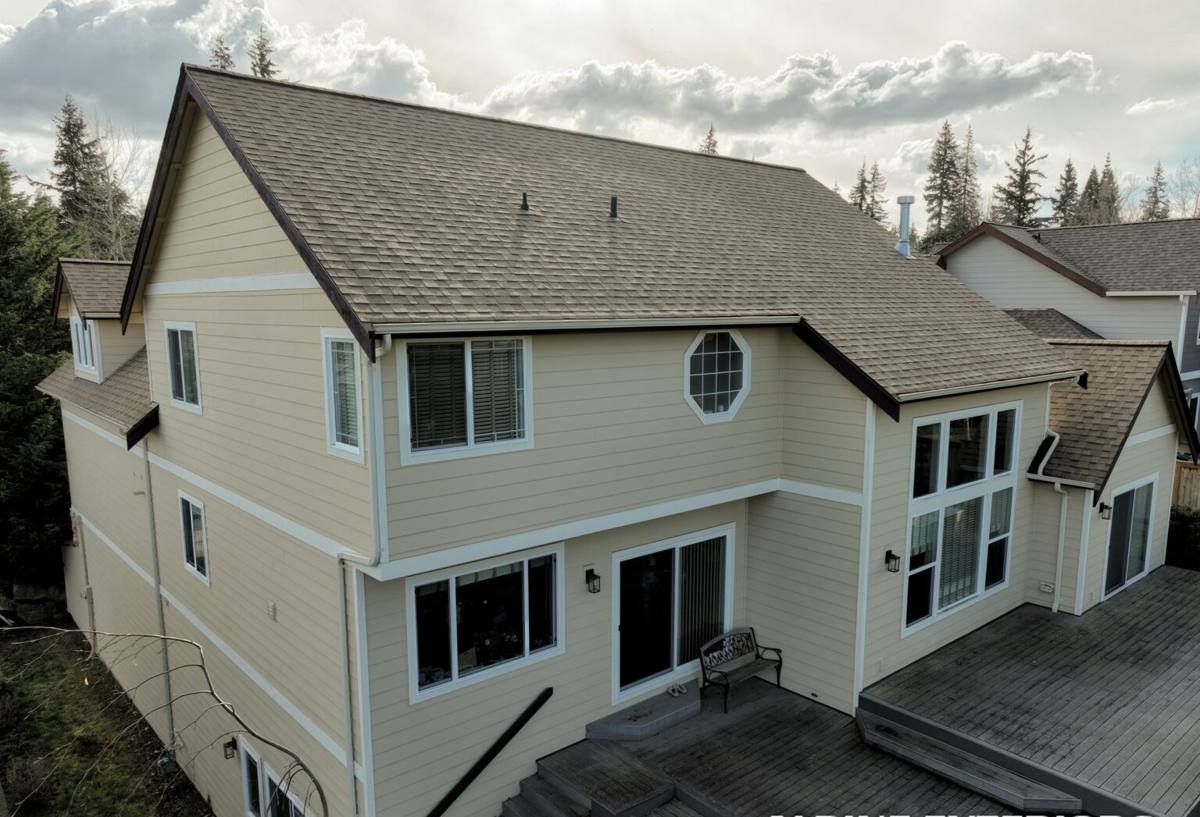
What the Local Climate Actually Does to a Roof
Four things do most of the damage to roofing in this area, and they don't act alone — they compound each other over time.
Hurricane-force wind
Wind doesn't just push on a roof, it lifts. Uplift at the eaves, rakes, and corners is where most storm damage starts, and it's almost always a fastening or flashing failure rather than the roofing material itself giving out. A metal roof is only as wind-resistant as its attachment method and the deck underneath it.
Wind-driven rain
In a normal rainstorm, water runs downhill and off the roof. In a wind-driven event, rain gets pushed sideways and upward under laps, around penetrations, and into any gap in the underlayment. This is why the underlayment and flashing details matter as much as the panels themselves — arguably more.
Year-round UV exposure
Florida sun is intense and constant, not seasonal. UV breaks down cheap sealants, fades paint finishes unevenly, and accelerates the aging of anything not rated for continuous exposure. A roof here ages faster than the same roof would in a milder climate.
Salt air
Proximity to the water means airborne salt settles on every exterior surface, including the roof. Salt accelerates corrosion on fasteners, flashing, and any metal component that isn't properly coated or isn't a corrosion-resistant alloy to begin with. This is the factor most homeowners underestimate until they see rust bleeding through paint a few years in.
What a Correct Metal Roof Needs to Account For
A metal roof installed correctly for this environment isn't just "a metal roof." It's a system where every layer is chosen and installed with wind, water, sun, and salt in mind.
- A sealed roof deck (secondary water barrier) so wind-driven rain that gets past the panels still can't reach the plywood
- High-wind-rated fastening patterns matched to the panel type and roof geometry, not a one-size-fits-all schedule
- Corrosion-resistant fasteners and flashing — not just at install, but ones that stay corrosion-resistant after years of salt exposure
- Properly lapped and sealed flashing at every valley, wall transition, chimney, and vent penetration
- Ventilation that lets the attic breathe without creating a path for wind-driven rain to enter
- A finish coating rated for sustained UV exposure, not just standard paint
Skip any one of these and the roof may still look fine for a while — the failures that matter show up during the next real storm, not on a sunny inspection day.
Metal Roofing Options That Make Sense Here
Not every metal roofing style performs the same way in a coastal wind environment, and not every style suits every home in Whitfield Estates. We'll walk through the tradeoffs honestly rather than pushing whatever's easiest to install.
| Panel Type | Wind Performance | Best Fit | Tradeoffs |
|---|---|---|---|
| Standing seam | Strongest — concealed fasteners, raised interlocking seams | Homes wanting the highest wind rating and a clean, modern look | Higher material and labor cost; requires precise installation |
| Exposed-fastener panel | Good, if fastening schedule and gaskets are correct and maintained | Budget-conscious projects, outbuildings, some traditional home styles | Fasteners are exposed to weather and need periodic inspection over the roof's life |
| Metal shingle / tile profile | Solid, varies by manufacturer and fastening method | Homeowners who want a metal roof's durability with a more traditional shingle or tile look | More seams and detail work than standing seam; installer skill matters a lot |
For homes sitting closer to the water or on more exposed lots, we generally steer people toward standing seam because the concealed-fastener design removes the weakest point in an exposed-fastener system — the long-term integrity of thousands of individual screws sitting in salt air.
How We Run a Metal Roofing Project
1. On-site assessment
We look at your existing roof deck, current roofing material, roof geometry, tree cover, and how exposed the property is to prevailing wind and salt air. This tells us what prep work is actually needed, not just what panel to sell.
2. Tear-off vs. deck evaluation
Metal roofing over a compromised deck is a bad foundation for a good roof. If the existing deck has rot, delamination, or damage, we address it before anything goes on top — this is where corners get cut on cheaper jobs, and it's where premature failures come from.
3. Underlayment and sealed deck
We install a synthetic underlayment system with sealed seams and penetrations, giving the roof a real secondary water barrier — the layer that keeps you dry even if wind-driven rain gets past the metal itself.
4. Panel installation and flashing
Panels go on with a fastening pattern matched to your specific roof's wind exposure, along with properly formed and sealed flashing at every valley, wall, and penetration. This is the most detail-sensitive part of the job and the part that separates a roof that survives a storm from one that doesn't.
5. Final walkthrough and inspection
We walk the finished roof with you, check every penetration and edge detail, and go over what maintenance (if any) the specific system you chose will need going forward.
Cost Factors Worth Understanding Upfront
Metal roofing costs more upfront than asphalt shingles — that's a fair tradeoff to go in knowing, weighed against the longer service life and lower long-term maintenance in a coastal environment. What moves the price on a given home has less to do with the material itself and more to do with the roof's condition and complexity.
| Factor | Why It Matters |
|---|---|
| Panel type chosen | Standing seam runs higher than exposed-fastener panel systems due to material and labor |
| Roof deck condition | Rotted or damaged decking needs replacement before installation, adding to the scope |
| Roof complexity | Valleys, dormers, and multiple roof planes mean more flashing work and labor time |
| Tear-off vs. overlay | Full tear-off costs more than overlay but is usually the right call for long-term performance |
| Accessibility | Mature trees, tight lots, or steep pitches affect staging and labor time |
We give real numbers after an on-site look, not a phone estimate — a roof's condition underneath matters as much as its size.
Maintenance in a Salt-Air Environment
One of the honest selling points of metal roofing is how little routine maintenance it needs compared to shingles — but "little" isn't "none," especially this close to the water.
- Rinse off accumulated salt residue periodically, especially on homes closer to the water
- Keep gutters and valleys clear of leaves and debris from overhanging trees
- Have exposed fasteners (if that's your panel type) checked periodically for early signs of corrosion
- Address any scratched or damaged finish coating promptly — exposed bare metal is where corrosion starts
- After a major storm, have the roof checked even if there's no visible interior leak — flashing damage doesn't always show up right away
Why a Crew That Already Works This Neighborhood Matters
A metal roof installed by a crew unfamiliar with Whitfield Estates' housing stock and exposure isn't automatically a bad roof, but it's more likely to miss the details that matter here specifically — how much wind exposure a given lot really has, how tree canopy affects debris and maintenance access, or what permitting through Manatee County actually requires for a re-roof. We work in this area regularly, so we're not learning these things on your project.
If your property is part of a community with architectural or exterior guidelines, we're glad to work alongside whatever approval process applies — just let us know up front so we can plan the timeline accordingly.
Get a Straight Answer for Your Roof
Every roof in Whitfield Estates is a little different — age, pitch, tree cover, and exposure all change what the right approach is. If you're weighing metal roofing for your home, we'll come take a real look, walk you through what we find, and give you a straightforward, no-pressure estimate using the form below.