 Bradenton Window
 Roofing for a Neighborhood That Takes a Beating
Mill Creek homes sit in one of the toughest climates in the country for an asphalt shingle roof. Manatee County gets the full package: hurricane-force wind gusts during storm season, intense UV exposure nearly year-round, wind-driven rain that finds every weak seam, and a steady dose of salt air drifting in off the Gulf. None of that is unique to Mill Creek alone, but it's the reality every roof in this part of Bradenton has to survive, year after year, without a break.
A shingle roof that would hold up fine in a milder climate can fail early here if it wasn't built for these conditions. That's not a scare tactic — it's just what happens when a roofing system designed for average wind and moderate sun gets installed in a place where both are anything but average. This page covers what a correct asphalt shingle roof looks like for a Mill Creek home, what our installation process actually involves, and why local experience matters more than most homeowners realize.
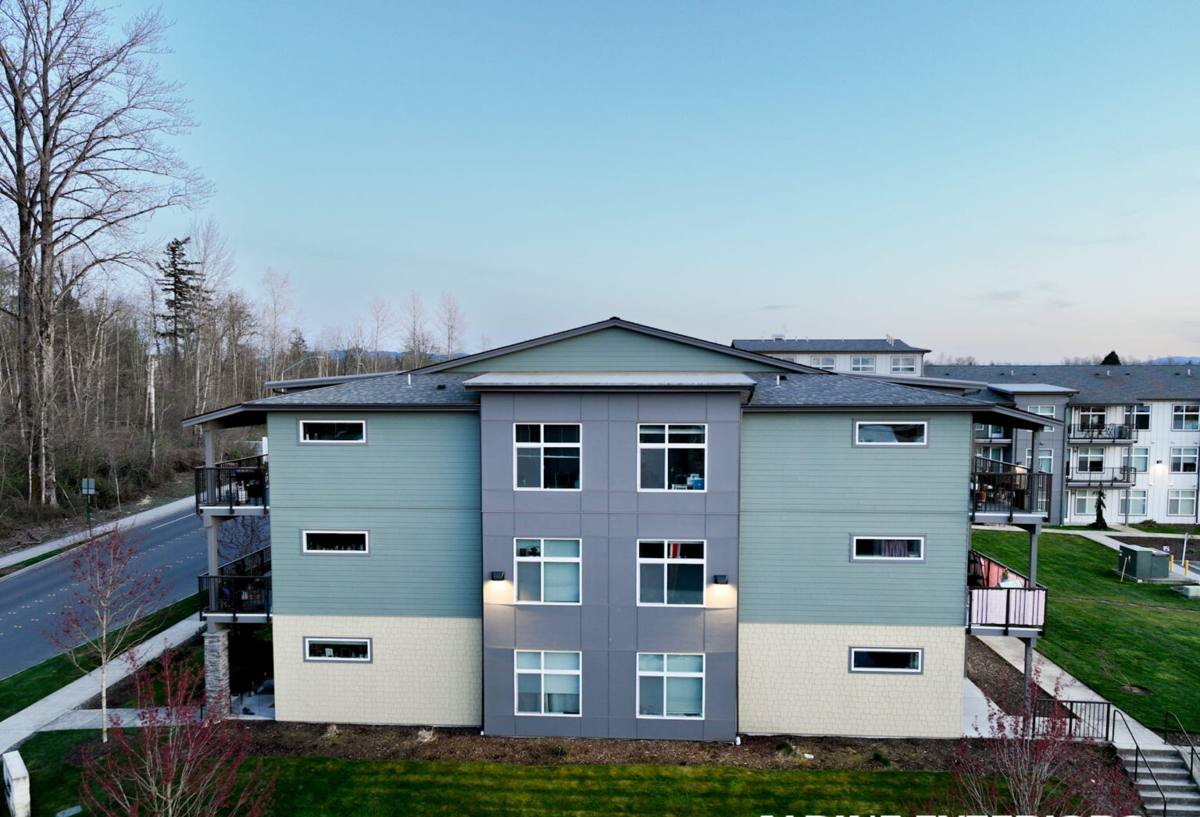
What Mill Creek's Climate Actually Does to a Roof
Wind
Tropical systems and seasonal squalls push sustained winds and gusts through this area that can lift poorly fastened shingles, work loose the tabs at hips and ridges, and drive rain up under the shingle edge instead of letting it run off. A roof's wind resistance comes down to the shingle's rating, the nailing pattern, and how well the starter course and ridge are secured — details that are easy to shortcut and hard to inspect once the job is finished.
UV and heat
Florida sun breaks down the asphalt in shingles faster than in most of the country. Over time, UV exposure dries out the asphalt, causes granule loss, and makes shingles brittle. Brittle shingles crack under thermal movement and lose their ability to seal properly, which is often the real cause of a roof that "just started leaking" with no obvious storm damage.
Wind-driven rain
Rain in this region rarely falls straight down. When it's driven sideways by wind, it tests every lap, seam, and penetration on the roof — pipe boots, valleys, and the edges around chimneys or skylights. A roof that's watertight in a normal rain can still leak in a wind-driven storm if the underlayment and flashing details weren't done right.
Salt air
Being close enough to the coast to catch salt air affects metal components on the roof — flashing, fasteners, vents, and drip edge — more than it affects the shingles themselves. Lower-grade metal corrodes faster in this environment, and corroded flashing is a common source of slow, hard-to-trace leaks.
What a Correct Job Requires Here
None of the challenges above are unusual for a Southwest Florida roofer. What matters is whether the roofing system is built to account for them. A correct asphalt shingle installation for a Mill Creek home should include:
- Shingles rated for high wind, installed with the manufacturer's high-wind nailing pattern rather than the standard pattern
- A fully sealed, self-adhering underlayment in vulnerable areas like valleys, eaves, and roof-to-wall transitions, not just felt paper stapled down
- Corrosion-resistant metal flashing and drip edge suited to a coastal-influenced climate
- Proper starter strip and hip/ridge fastening, since these are the first places wind gets underneath a roof
- Balanced attic ventilation so heat and moisture don't shorten the shingles' lifespan from underneath
- Correct sealing around every penetration — plumbing stacks, vents, and any roof-mounted equipment
Skipping any one of these doesn't necessarily cause an immediate problem. It just means the roof is carrying a weakness that shows up later, usually during the next big storm or after a few summers of sun exposure.
Our Asphalt Shingle Roofing Process
1. Inspection and honest assessment
We start by getting on the roof, not just looking at it from the ground. We check the deck, existing flashing, ventilation, and the overall condition of the shingles to determine whether a full replacement is actually needed or whether targeted repair makes more sense. We'd rather tell a homeowner their roof has a few good years left than sell a replacement it doesn't need yet.
2. Tear-off and deck inspection
A correct re-roof means removing the old roofing down to the deck, not layering over it. This lets us inspect the plywood or OSB decking for soft spots, water damage, or rot that would otherwise get sealed in under a new roof — a mistake that causes far bigger problems down the line.
3. Dry-in and flashing
Once the deck is sound, we install the underlayment system and all flashing before a single shingle goes down. This stage is where most of a roof's actual water resistance comes from, even though it's invisible once the job is done.
4. Shingle installation
Shingles go down using the fastening pattern appropriate for our wind zone, with attention to starter courses, valleys, and ridge caps — the areas most likely to fail first if rushed.
5. Ventilation check and final walkthrough
We confirm intake and exhaust ventilation is balanced, clean up the site thoroughly, and walk the finished roof with the homeowner so there are no surprises.
Choosing a Shingle Built for This Climate
Not every asphalt shingle on the market is a good fit for coastal Florida wind and sun. We generally guide Mill Creek homeowners toward architectural (laminated) shingles with a documented high-wind rating over basic three-tab shingles, which have a lower wind rating and a shorter realistic lifespan in this climate.
| Factor | 3-Tab Shingles | Architectural Shingles |
|---|---|---|
| Typical wind rating | Lower | Higher, better suited to hurricane-influenced areas |
| Expected lifespan in FL sun | Shorter | Longer, thanks to thicker construction |
| Upfront cost | Lower | Moderate to higher |
| Appearance | Flat, uniform | Dimensional, shadow-line look |
| Warranty structure | Typically shorter/basic | Typically longer, often with wind-speed coverage upgrades |
We don't push a specific brand over another based on marketing. What matters more than the brand name is the wind rating on the specific product line, the quality of the underlayment system paired with it, and whether the installation follows the manufacturer's high-wind requirements closely enough to keep the warranty valid.
Ventilation: The Part of the Roof Nobody Sees
Attic ventilation doesn't get much attention because it's invisible from the street, but in a hot, humid climate like Bradenton's, it has a real effect on how long a shingle roof lasts. Poor ventilation traps heat and moisture in the attic, which cooks shingles from underneath and can encourage mold or wood rot in the deck. A correctly balanced system — enough intake at the eaves and exhaust at the ridge or through vents — helps the roof perform closer to its full expected lifespan instead of falling short of it.
Maintenance That Actually Extends Roof Life
A well-installed shingle roof still needs basic upkeep in this climate. We recommend Mill Creek homeowners keep an eye on:
- Loose, cracked, or missing shingles after any significant wind event
- Granules collecting in gutters, which can signal accelerating shingle wear
- Debris or organic buildup in valleys, which traps moisture against the shingles
- Soft spots or discoloration on ceilings, which often show up before a leak is obvious from the roof
- Flashing around chimneys, skylights, and vents showing rust or gaps
- Clogged or damaged gutters that let water back up under the roof edge
A quick post-storm check and an annual walk-around catch most problems while they're still cheap to fix.
Why a Crew That Already Works Mill Creek Matters
Roofing code requirements, wind zone ratings, and permitting in Manatee County aren't identical to requirements a few counties over, and a crew that works this area regularly already knows what inspectors here expect and what actually holds up through a real Gulf Coast storm season versus what just looks fine on install day. That local familiarity shows up in the small decisions — which fastening pattern to use, how much flashing overlap is enough, when a repair is genuinely sufficient versus when it's just delaying a bigger problem. It's also worth asking any roofer you're considering about their licensing, insurance, and manufacturer certifications before signing anything — a legitimate local contractor should answer those questions without hesitation.
Get a Straight Answer About Your Roof
If your Mill Creek home's asphalt shingle roof is aging, storm-damaged, or you're just not sure how much life it has left, we're happy to take a look and give you an honest assessment — no pressure, no obligation. Use the form below to request a free estimate and we'll walk you through exactly what your roof needs and why.