 Bradenton Window
 Board & Batten Siding Built for Mill Creek's Climate
Mill Creek homes sit inside Manatee County's coastal exposure zone, which means the siding on a house here works harder than siding almost anywhere else in the country. Hurricane-force winds test every fastener and joint. Intense, near-constant UV bakes paint and substrate. Wind-driven rain finds its way into any gap that wasn't detailed correctly the first time. And salt air, even miles inland from the Gulf, slowly corrodes fasteners and trim that weren't rated for it. Board and batten siding — with its bold vertical lines and strong shadow reveal — is a popular look in this neighborhood, but it's also a style that punishes a sloppy install faster than lap siding does, because every seam and batten strip is another potential water path.
This page is about doing board and batten right for a Mill Creek home: what the material needs to survive here, what a correct installation actually involves, and why the crew you hire matters as much as the product itself.
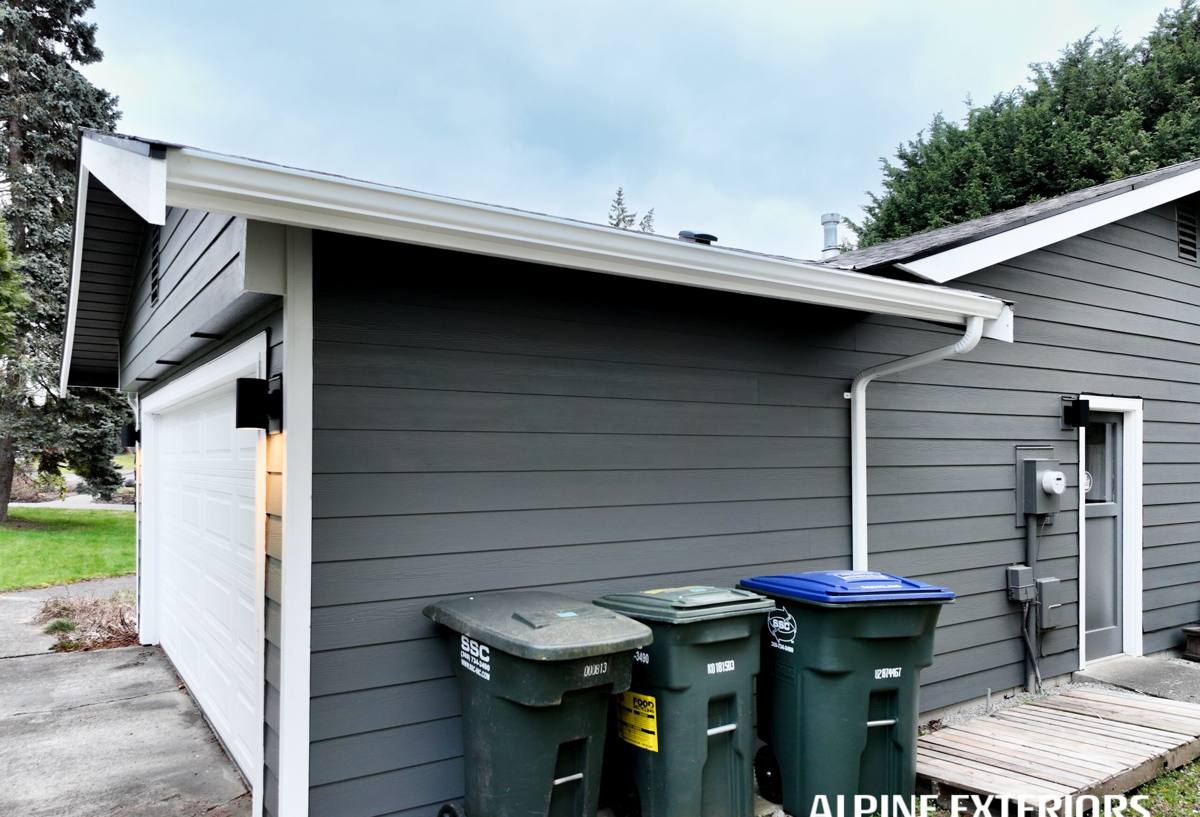
Why Board & Batten Is a Different Job Than Lap Siding
Board and batten isn't just lap siding turned sideways. The vertical panels and the narrow strips (battens) that cover the seams create a different water-management problem. On a horizontal lap install, gravity does a lot of the work moving water down and off the wall. On a vertical board and batten wall, water runs straight down the face of the panel and along the batten edges, which means the seams underneath those battens need to be genuinely sealed and drained — not just covered.
What Goes Wrong When It's Rushed
The most common failure we see on board and batten walls in this climate isn't the panel material — it's the details around it: battens fastened directly through unsealed seams, missing or undersized weather-resistive barrier laps, butt joints with no backing, and trim that wasn't flashed at the top. Every one of these is invisible on install day and shows up two or three storm seasons later as staining, soft spots, or paint failure at the seams.
What a Correct Board & Batten Job Involves
A board and batten installation that's built to hold up in Manatee County has to get several things right at once, not just one:
- Weather-resistive barrier installed with correct shingle-style laps so any water that gets behind the siding drains out, not in
- Rainscreen or drainage gap behind the panels so moisture that reaches the wall assembly can dry rather than sit against the sheathing
- Sealed or backed seams under every batten strip, not just a batten nailed over a butted panel edge
- Corrosion-resistant fasteners rated for coastal exposure, since standard fasteners corrode faster in salt air and can stain or fail early
- Proper flashing at windows, doors, and horizontal trim transitions where water pressure concentrates during wind-driven rain
- Correct fastener placement and spacing per the manufacturer's installation instructions, which matters even more in high-wind zones
None of this is visible once the job is finished. It's also exactly what separates a board and batten wall that looks good for two seasons from one that holds up for decades.
Why We Install James Hardie and Nothing Else
We install James Hardie fiber cement exclusively — we don't offer LP SmartSide, vinyl, Cemplank, Allura, or primed wood board and batten. That's a deliberate standard, not a lack of options.
Vinyl board and batten is affordable and low-maintenance, but it's a thin, flexible material that can warp or crack in intense heat and doesn't hold up as well against sustained high winds. Primed wood and spruce board and batten have real curb appeal, but wood is the most moisture- and rot-prone option available in a climate that delivers heavy rain and near-constant humidity most of the year — it demands the most maintenance to survive here. Engineered wood products like LP SmartSide use a wood-strand substrate that performs well when properly sealed and maintained, but any breach in that seal exposes the substrate to swelling. Fiber cement alternatives to Hardie, like Cemplank or Allura, are chemically similar products, but we've standardized on Hardie specifically for its HZ5 climate-engineered formulation for high-humidity regions, its factory-applied ColorPlus finish, and the depth of its installation documentation and warranty support.
What Hardie Gets Right for This Application
James Hardie fiber cement board and batten is non-combustible, resists moisture swelling far better than wood-based products, and holds its factory finish through UV exposure that fades ordinary field-painted siding within a handful of years. It's also heavy and rigid enough to resist the flexing and warping that thinner materials show under sustained wind load — a real consideration for a wall assembly that has to survive hurricane season every year.
Comparing Board & Batten Material Options for This Climate
| Material | UV/Fade Resistance | Moisture Behavior | Wind/Storm Durability | Maintenance |
|---|---|---|---|---|
| James Hardie fiber cement | Factory ColorPlus finish, long fade resistance | Engineered for high humidity, doesn't swell like wood | Rigid, heavy, strong wind rating when installed to spec | Low — occasional wash, no repainting for years |
| Vinyl | Can fade and become brittle under intense sun | Doesn't rot, but can warp with heat and trap moisture behind it | Can crack or blow off in sustained high winds | Low, but damage often means full panel replacement |
| Primed wood/spruce | Requires repainting on a regular cycle | Highest rot and swelling risk in humid, wet climates | Moderate; performance depends heavily on maintenance | High — ongoing painting and moisture inspection |
| Other fiber cement (Cemplank, Allura) | Comparable material chemistry to Hardie | Similar moisture resistance to Hardie | Comparable when installed correctly | Low, similar to Hardie |
The material differences matter, but so does the installer's attention to the details above — a poorly installed Hardie wall can still fail early, and a well-installed job on any quality material will outperform a rushed one.
Our Process for Mill Creek Board & Batten Projects
Because we already work in this neighborhood, we've seen how existing board and batten installs here tend to age, which shapes how we approach a new one.
- On-site assessment — we look at the current siding condition, sheathing, and any existing moisture damage before quoting anything
- Product and reveal selection — panel width, batten spacing, and color are chosen to fit the home's style and HOA guidelines where applicable
- Tear-off and substrate check — old siding comes off and we inspect the wall sheathing for hidden rot or damage before closing it back up
- Weather barrier and drainage plane installation — done to manufacturer spec, not shortcut
- Panel and batten installation — fastened and sealed per James Hardie's published instructions for this climate zone
- Trim, flashing, and final detail work — the parts that determine whether water stays out
- Final walkthrough — we go over the finished job with the homeowner before calling it done
Why Local Experience in Mill Creek Matters
A board and batten installer who's worked in Mill Creek and the surrounding Bradenton area already understands the exposure this neighborhood gets — the wind patterns, the rain intensity, the salt content in the air — and builds the wall assembly accordingly instead of using a generic spec that might be fine somewhere drier or calmer. Local experience also means knowing what tends to go wrong first on homes in this area, which is exactly what informs the checklist below.
What to Ask Before Hiring Anyone for This Job
- Do they install to the manufacturer's published instructions for this climate zone, or a generic national spec?
- Will they inspect and address sheathing condition before closing the wall back up?
- Do they use corrosion-resistant fasteners rated for coastal exposure?
- Can they explain, specifically, how seams under the battens will be sealed?
- Do they carry proper licensing and insurance for exterior work in Manatee County?
- Will the finished job come with a manufacturer-backed warranty, not just a labor guarantee?
Maintenance and What to Expect Over Time
A correctly installed James Hardie board and batten wall in this climate needs very little upkeep — periodic washing to remove salt film and pollen, and an annual visual check of caulking at trim and window transitions after storm season. What it should not need is repainting every few years or ongoing patching at the seams. If a board and batten wall on a Mill Creek home is already showing chronic staining at the battens, soft trim, or peeling paint, those are signs the original installation missed one of the water-management details above, not necessarily a sign the material itself failed.
Cost Factors to Understand Before You Get Quotes
| Factor | Why It Affects Price |
|---|---|
| Existing siding removal and disposal | More labor if old siding or trim has to come off first |
| Sheathing repair | Hidden rot or damage found during tear-off adds material and labor |
| Panel and batten configuration | Reveal width and batten spacing affect material quantity and labor time |
| Trim and flashing detail | Homes with more windows, corners, and transitions require more detail work |
| Home size and wall complexity | Straightforward rectangular walls install faster than homes with dormers or multiple roof lines |
We don't publish a flat price because these factors genuinely change the scope from house to house — but we'll walk through them plainly during an on-site estimate so there are no surprises.
If you're considering board and batten siding for a home in Mill Creek, we're happy to come take a look and give you a straightforward, no-pressure estimate — just fill out the form below.