 Bradenton Window
 Roofing in a Neighborhood Built on Older Florida Homes
Village of the Arts sits close to downtown Bradenton, and like a lot of the older, established pockets of Manatee County, many of the homes here were built decades before today's Florida Building Code windstorm requirements existed. That matters more than most homeowners realize when it comes time to replace a roof. A roof that was adequate when it went on in the 1970s or 1980s is not the same standard we install today, and simply matching what's already up there is usually not the right call.
Whether your home is a classic Bradenton bungalow, a mid-century block house, or a converted cottage now doubling as a studio or gallery space, the roof over it has to do the same job: shed wind-driven rain, survive hurricane-force gusts, resist relentless UV, and hold up against the salt air drifting in from Tampa Bay and the Gulf. We've installed and repaired roofs across Manatee County long enough to know what fails first on homes in this part of Bradenton, and we build every new roof to address those specific weak points, not just to look finished from the street.
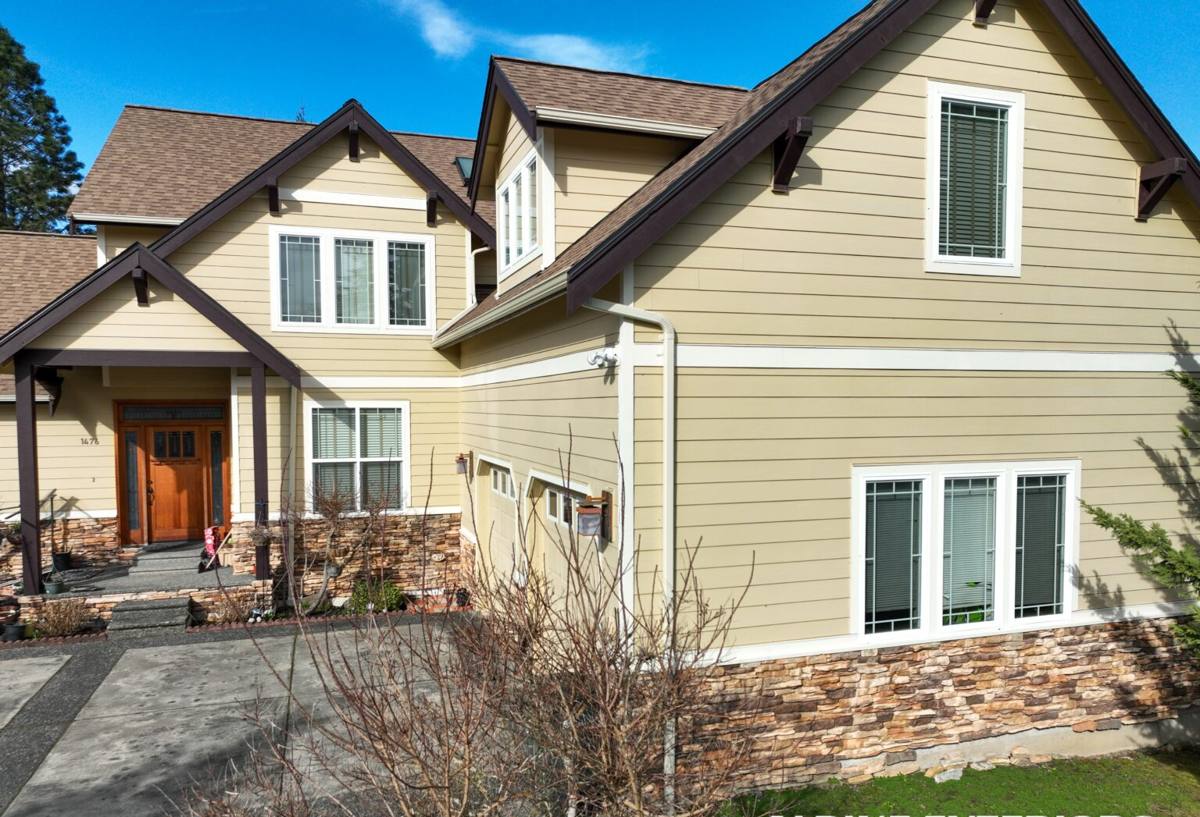
What Bradenton's Climate Does to a Roof
New roof installation in this part of Florida isn't just about covering the house — it's about engineering a system that survives conditions most of the country never has to design for.
Hurricane-Force Wind
Manatee County sits in a wind-borne debris region, and roofs here need to be rated and installed to resist uplift, not just rated on paper. Uplift failure almost always starts at the edges — the fascia, the drip edge, the first few courses of shingles or tiles near the perimeter. A roof that isn't fastened and flashed correctly at those edges can lose material in a strong summer storm, long before an actual hurricane arrives.
Wind-Driven Rain
Florida rain rarely falls straight down during a storm. It comes in sideways, which means water gets pushed up under shingles, around vents, and into any gap in the underlayment that a calmer climate could get away with. Underlayment selection and how it's installed at valleys, penetrations, and roof-to-wall transitions matter as much as the visible roofing material itself.
Intense, Year-Round UV
Bradenton doesn't get a real winter break from sun exposure. UV breaks down asphalt shingle granules, dries out sealants, and shortens the effective life of lower-grade roofing products faster than manufacturers' national warranties often assume. This is one of the biggest reasons two roofs with the same warranty length can perform very differently in Southwest Florida.
Salt Air
Village of the Arts isn't right on the water, but Bradenton as a whole sits close enough to Tampa Bay and the Gulf that salt-laden air is a real factor. Salt accelerates corrosion on exposed metal fasteners, flashing, and vent components. Using the wrong grade of metal, or leaving fasteners uncoated, is a slow, invisible mistake that shows up as rust streaks and eventual leaks years down the road.
What a Correct New Roof Installation Actually Involves
A new roof is more than shingles or tile going down over the old surface. Done right, it's a layered system, and every layer has a job.
- Tear-off and deck inspection. We remove the existing roofing down to the deck so we can actually see what's underneath — this is where hidden rot, old damage, or undersized decking gets found and fixed before it's covered up again.
- Deck repair or replacement. Any soft, delaminated, or water-damaged plywood or plank decking gets replaced. Fastening a new roof over a compromised deck undermines wind resistance no matter how good the roofing material is.
- Underlayment. A high-quality synthetic or self-adhering underlayment goes down as the real waterproofing layer, with extra attention at valleys, eaves, and roof penetrations where wind-driven rain intrudes first.
- Flashing. New flashing at chimneys, walls, skylights, and vents — reused old flashing is a common shortcut that leads to early leaks.
- Drip edge and edge metal. Properly fastened edge metal is one of the most important, least visible parts of wind resistance.
- Roofing material installation. Installed to the manufacturer's high-wind specification, not the minimum spec, including nailing or fastening pattern, sealant strips, and starter courses.
- Ventilation. Balanced intake and exhaust ventilation keeps attic temperatures and moisture in check, which protects the deck and extends the life of the roofing material itself.
- Final inspection and cleanup. A walk-through, magnetic sweep for stray fasteners, and full site cleanup before we consider the job done.
Quick Homeowner Checklist: Signs You Need a New Roof, Not a Repair
- Roof is 20+ years old (asphalt shingle) or showing widespread wear across multiple sections
- Multiple past repairs in different areas rather than one isolated problem
- Visible sagging anywhere on the roofline
- Granule loss heavy enough that shingles look patchy or bare in spots
- Daylight visible through the attic decking
- Rising energy bills with no other clear explanation
- Insurance company flagging the roof's age during a policy renewal
Choosing a Roofing System for This Part of Bradenton
There's no single "best" roof for every home in Village of the Arts — the right choice depends on your roof's structure, your budget, and how long you plan to stay in the home. Here's how the common options compare for this climate.
| Roofing Material | Wind Performance | UV/Heat Durability | Typical Lifespan Here | Considerations |
|---|---|---|---|---|
| Architectural Asphalt Shingle | Good, when rated and installed for high-wind zones | Moderate — granule loss over time under constant UV | 15-25 years | Best value upfront; quality and installation matter more than in milder climates |
| Metal (Standing Seam) | Excellent uplift resistance when properly fastened | Excellent — reflects heat, resists UV degradation | 40-60 years | Higher upfront cost; use marine-grade or coated fasteners near the coast |
| Concrete or Clay Tile | Very good when fastened to current code | Excellent — inert to UV | 40-50+ years | Heavier — requires structural confirmation on older homes; individual tiles can crack from impact |
| Flat/Low-Slope Membrane (TPO, Modified Bitumen) | Good with proper attachment | Good, product-dependent | 15-25 years | Common on additions, porches, or older Florida-style flat sections |
On many of the older homes in this neighborhood, roof structure and existing framing play a real role in what's practical. We'll walk you through what your specific roof can support and what it can't before recommending anything.
Why the Neighborhood Matters
Village of the Arts has its own character — narrower lots, closely spaced homes, mature trees, and older construction that's often been added onto or renovated over the years. A crew that's worked in this specific part of Bradenton knows to expect original framing that may not match current code, tie-in points from past additions, and the tight site access that comes with older, denser residential blocks. That familiarity means fewer surprises mid-project and a more accurate estimate from the start, instead of change orders showing up once tear-off begins.
It also means understanding permitting and inspection expectations specific to the City of Bradenton and Manatee County, so your project moves through approval without unnecessary delays.
Our Process for a New Roof Installation
- On-site inspection and estimate. We assess your current roof, attic ventilation, and any visible structural concerns, and give you a clear, honest estimate — no pressure, no gimmicks.
- Material selection. We walk through the tradeoffs between shingle, metal, and tile for your specific home and budget, being upfront about cost, lifespan, and maintenance for each.
- Permitting. We handle the permit process with the City of Bradenton or Manatee County as applicable, so the job is inspected and documented correctly.
- Installation. Full tear-off, deck inspection and repair, new underlayment, flashing, and roofing material installed to high-wind specifications.
- Final inspection. We coordinate the required inspections and do our own final walk-through before calling the job complete.
- Documentation. You get manufacturer warranty paperwork and installation records — useful for insurance, and for resale down the road.
Roofing and Your Homeowners Insurance
In Manatee County, roof condition and age directly affect homeowners insurance eligibility and premiums. Many insurers now require roof inspections at renewal, and older roofs can trigger non-renewal notices or steep premium increases regardless of whether the roof is actively leaking. A new roof installed to current wind-mitigation standards can often improve your insurance standing and may qualify for wind mitigation credits — worth discussing with your insurance agent once the new roof is documented and inspected.
Get a Free, No-Pressure Estimate
If your roof is aging, showing wear, or you're just trying to plan ahead before the next storm season, we're happy to take a look and give you a straight answer about what your home actually needs. Fill out the form below for a free estimate on new roof installation in Village of the Arts — no pressure, no obligation, just honest information about your roof and your options.