 Bradenton Window
 Building Decks That Actually Hold Up in Palmetto
Palmetto sits right on the water side of Manatee County, which means homes here deal with a specific mix of punishment: long stretches of intense UV, salt-laden air drifting off the Manatee River and nearby coastline, sudden downpours, and the real possibility of hurricane-force wind loads during storm season. A deck built with generic materials or shortcuts might look fine for a year or two, then start showing fastener corrosion, board cupping, or a railing that's gone wobbly. We build decks for this specific environment, not a national average climate, and that difference shows up in how the deck performs five and ten years down the road.
This page covers what we actually do when we build a custom deck for a Palmetto homeowner — the material choices, the structural details, the permitting realities, and the process from first call to final walkthrough.
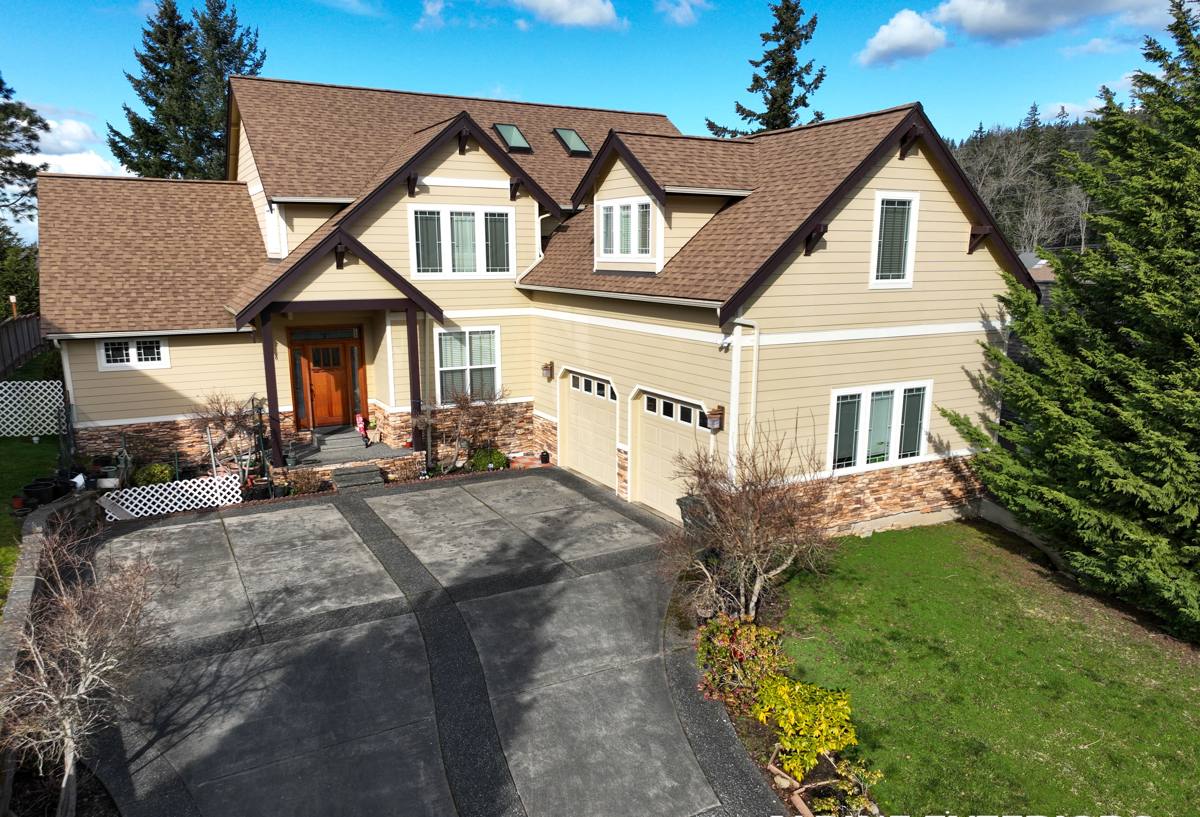
What Palmetto's Climate Demands From a Deck
Salt Air and Corrosion
Even homes that aren't waterfront in Palmetto get salt air exposure carried in off the coast. Salt accelerates corrosion in any exposed metal — screws, joist hangers, bolts, railing brackets. Standard zinc-coated hardware that might last inland can start rusting and staining decking within a couple of seasons in a coastal air environment. We spec stainless steel or high-grade coated fasteners and connectors rated for coastal/marine-exposure use on every deck we build here, not as an upcharge option but as the standard.
UV and Heat
Florida sun is relentless on exposed decking. UV breaks down the lignin in wood fibers and degrades the plasticizers in some composite formulations over time, which is why color fade, surface checking, and material fatigue show up faster here than in a lot of the country. Material choice and finish matter more in Palmetto than in a shaded northern yard.
Wind-Driven Rain and Standing Water
Afternoon storms in this part of Florida come in fast and heavy, often with wind pushing rain sideways under railings and against ledger boards. A deck that doesn't shed water properly — poor board spacing, flat ledger flashing, low points that pool — will trap moisture against structural framing, and that's where rot and hidden decay start, usually well before it's visible from the surface.
Wind Load and Storm Resistance
Manatee County sits in a wind-borne debris and high-wind design zone under Florida Building Code, and decks attached to the home need to be engineered and fastened to handle uplift and lateral load, not just gravity load. This is a structural requirement, not a nice-to-have — a poorly attached ledger board is one of the most common failure points in storm damage inspections after Gulf Coast wind events.
Material Choices for a Palmetto Deck
There's no single "best" decking material for every situation — it depends on budget, how much upkeep the homeowner wants to do, and how the deck will be used. Here's how the common options actually compare in this climate.
| Material | How It Handles Local Climate | Maintenance | Typical Lifespan Here |
|---|---|---|---|
| Pressure-treated pine | Affordable, but prone to checking and warping under intense UV/humidity cycling without regular sealing | Annual cleaning and re-sealing recommended | 10-15 years with upkeep |
| Tropical hardwoods (e.g., ipe-type species) | Naturally dense and rot-resistant, handles moisture well, but needs oiling to hold color in strong UV | Periodic oiling if color retention matters to you | 25+ years structurally |
| Capped composite decking | Strong UV and moisture resistance from the cap layer; performs well in salt air; quality varies a lot by product tier | Occasional washing, no sealing/staining | 25-30 year manufacturer warranties common |
| PVC decking | Fully synthetic, excellent moisture and salt resistance, no wood fibers to rot | Low — occasional cleaning | Comparable to or longer than capped composite |
Our standard is to steer homeowners away from uncapped composite decking in this specific coastal climate. Uncapped boards absorb moisture at the surface more readily than capped products, and in a high-humidity, high-UV, salt-air environment that combination shows up as fading, surface fuzzing, and mold susceptibility faster than it would inland. That's a trade-off of the product category, not any single brand doing something wrong — capped composite and PVC exist specifically to address that weakness, which is why we lean toward them for most Palmetto builds.
What a Correct Deck Build Actually Involves
Structural Framing
The framing is what nobody sees and what matters most. That means properly sized joists for the span and load, joist hangers rated for coastal exposure, and a ledger board attached with lag bolts or through-bolts into solid framing — never just nailed to siding or trim. For elevated decks, footings need to go below the frost/settlement depth appropriate for the soil and meet county spacing requirements for the deck's size and load.
Flashing and Water Management
Where the deck meets the house, proper flashing (typically a metal or membrane flashing integrated behind the siding, not just caulked on top) keeps wind-driven rain from working its way into the wall assembly. This is one of the most commonly skipped steps on lower-bid deck jobs, and it's also one of the most expensive to fix after the fact once water damage has spread into the house framing.
Fasteners and Hardware
As covered above, this is non-negotiable in a salt-air environment. Coastal-rated stainless or heavy-coated hardware throughout — hangers, hurricane ties where applicable, railing brackets, and deck screws.
Railings and Guards
Florida Building Code sets minimum railing height and baluster spacing requirements for any deck above a certain height. We build railings to meet code load requirements, not just to look right — a railing that can't take a lateral push isn't doing its job.
Permitting
Most deck construction in Manatee County requires a building permit and inspection, especially for any deck attached to the structure or elevated above grade. We handle the permitting process as part of the job rather than leaving it to the homeowner, and we build to pass inspection the first time.
Our Process, Start to Finish
- Site visit and consultation. We look at the actual space, discuss how the deck will be used, and talk through material and layout options honestly, including trade-offs.
- Design and quote. We provide a clear scope of work and pricing before anything starts — no vague allowances that turn into surprise change orders.
- Permitting. We pull the necessary Manatee County permits and schedule required inspections.
- Site prep and footings. Layout, excavation, and footing work sized to the design load and local soil conditions.
- Framing. Structural frame, ledger attachment, and flashing — the part that determines how long the deck actually lasts.
- Decking, railing, and finish work. Installation of the chosen decking material, railings to code, and any stairs, skirting, or built-in features.
- Final walkthrough and inspection sign-off. We walk the finished deck with the homeowner and confirm it passes county inspection.
Common Add-Ons Palmetto Homeowners Ask About
- Built-in bench seating or planters as part of the deck structure
- Shade structures or pergolas attached to or adjacent to the deck
- Multi-level decks that step down toward a pool or yard
- Under-deck drainage systems to create usable dry space below an elevated deck
- Composite or PVC skirting to close off the area beneath the deck
- Stainless cable or aluminum railing systems for a more open sightline toward the water
Cost Factors to Understand Before You Budget
Every deck is priced based on its own specifics, but the main drivers are consistent:
| Factor | Why It Moves the Price |
|---|---|
| Square footage | Larger decks need more material and labor, though price per square foot often drops slightly at larger sizes |
| Decking material | Pressure-treated is the low end; PVC and premium composite run higher upfront but lower in lifetime maintenance |
| Height and footings | Elevated decks need more substantial footings, stairs, and often engineered plans |
| Railing style | Basic baluster railing costs less than cable, glass panel, or custom aluminum systems |
| Site access | Difficult access for equipment or materials can add labor time |
| Permitting complexity | Larger or more complex structures may require engineered drawings, which adds cost and lead time |
We give real numbers during the consultation once we understand the scope — we don't work off vague per-square-foot figures pulled from a national average, since material and labor costs in Manatee County and the coastal wind requirements here don't match a generic estimate.
Why It Matters to Hire a Crew That Already Works in Palmetto
A contractor who builds decks across a range of climates has to relearn local conditions every time they move to a new region. A crew that regularly works Palmetto and the surrounding Bradenton area already knows the county's permitting process, has relationships with the local inspectors, understands which fastener and flashing details actually hold up in this specific salt-air, high-UV, storm-exposed environment, and isn't guessing at wind load requirements from a generic code book. That local repetition is what keeps a deck from becoming a callback in three years.
Before you hire anyone for deck work in Palmetto, it's worth checking a few things:
- Are they licensed to do this work in Florida, and can they show proof of insurance?
- Will they pull the required Manatee County permit, or are they suggesting you skip it?
- Do they specify coastal-rated hardware in writing, or just "standard" fasteners?
- Do they explain material trade-offs honestly, including maintenance and long-term cost?
- Do they provide a written scope and quote before work begins?
Let's Talk About Your Deck
If you're planning a new deck or replacing one that's showing its age, we're happy to come take a look and give you a straightforward, no-pressure estimate. Fill out the form below and we'll walk you through what your Palmetto property actually needs.