 Bradenton Window
 Fiber Cement Siding for Palmetto Homes
Palmetto sits close enough to the water and to the open exposure of the Manatee River corridor that siding here works harder than siding does further inland. Homes in this area take on a specific combination of stresses: salt-laden air moving off the water, long stretches of intense subtropical UV, wind-driven rain during summer storms, and the occasional direct hit from hurricane-force wind. Any one of those factors will eventually find the weak point in a mediocre siding job. Together, they find it fast.
We run a crew that works Palmetto regularly, not as an occasional stop between other jobs. That matters more than it sounds like it should, and we'll explain why below. But the short version is this: siding installed to spec, in the right product, holds up here for decades. Siding installed to a lower standard, or in a product not built for this climate, tends to show problems within a handful of years — usually right around the seams, the trim, and the bottom courses closest to grade.
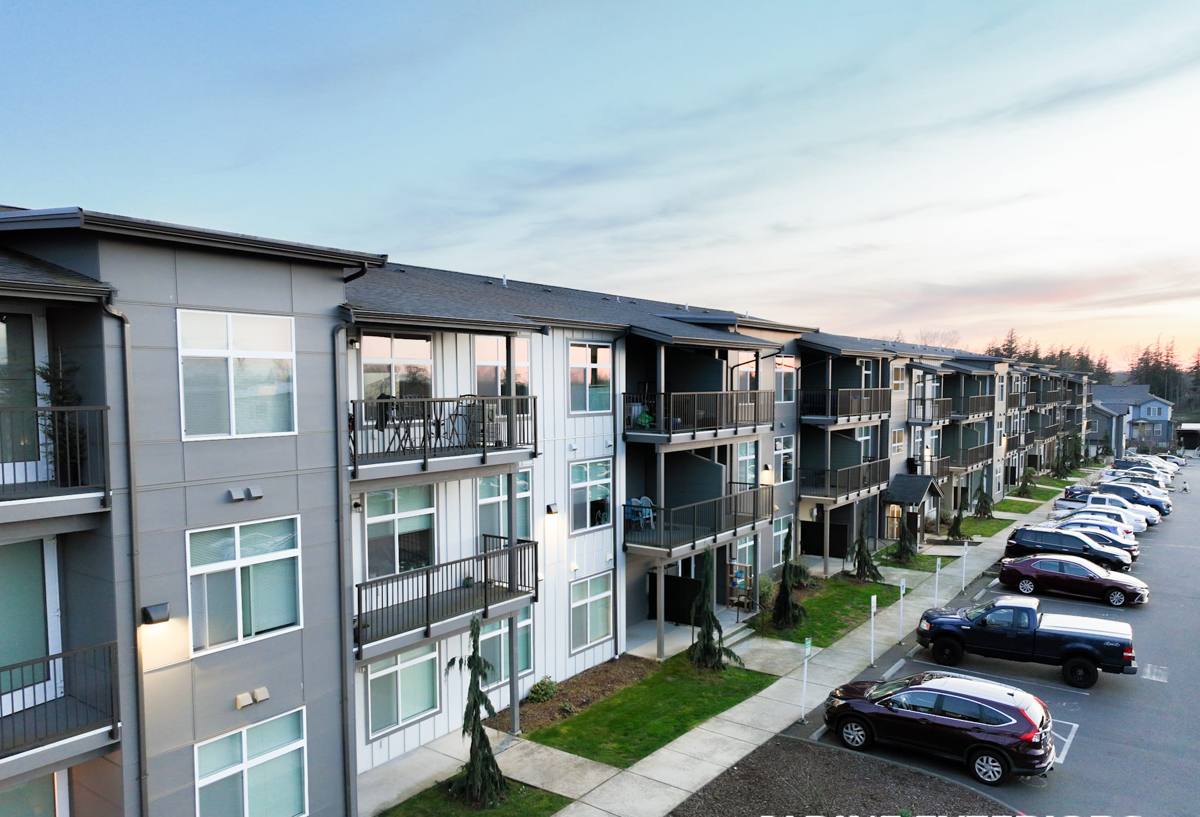
What Palmetto's Climate Actually Does to Siding
Salt Air and Corrosion
Palmetto's proximity to the water means airborne salt is a constant, low-level presence, even on days without a storm in sight. Salt air accelerates corrosion on fasteners, flashing, and any exposed metal components. It also settles into porous or poorly sealed siding surfaces, where it can contribute to surface breakdown over time. Siding systems and fastening hardware need to be chosen and installed with that reality in mind, not treated as an afterthought.
UV Exposure
Manatee County gets sun nearly year-round, and that sun is intense. UV breaks down pigments and surface coatings over time, which is why so many homes in this region show chalky, faded siding on their sun-facing walls within a decade of installation — sometimes sooner. The factory finish on a siding product, and how well it's engineered to resist UV degradation, matters as much as the substrate underneath it.
Wind-Driven Rain
Florida rain rarely falls straight down. During a typical Gulf Coast storm, rain drives sideways into a home's walls, working its way behind poorly lapped siding, around under-flashed windows, and through gaps at trim joints. Siding that isn't installed with correct overlaps, clearances, and flashing details will let moisture in — and once moisture gets behind siding, the sheathing and framing underneath start absorbing damage long before anything looks wrong on the surface.
Hurricane-Force Wind
Manatee County sits in a wind zone that requires siding installations to hold up under real uplift and impact loads, not just cosmetic wind. Fastening schedule, panel engagement, and starter strip detail all affect how well a wall system performs when wind gets under a course and starts prying at it.
Why We Only Install James Hardie Fiber Cement
We don't install vinyl siding, LP SmartSide, Cemplank, Allura, or primed wood siding like spruce or cedar. That's a deliberate standard, not a limitation of what we're capable of installing. Here's the honest reasoning behind it, specific to what Palmetto and the broader Bradenton area throw at a home:
- Vinyl softens, warps, and can deform under sustained high heat and direct sun exposure, and it has clear wind-load limitations compared to fiber cement in a county that sees real hurricane wind.
- Wood-based composite siding (LP SmartSide) uses an engineered wood substrate that, while treated, is still an organic wood product — and organic wood products are more vulnerable to moisture intrusion and rot than a cement-based product, especially in a climate with this much sustained humidity and wind-driven rain.
- Other fiber cement brands (Cemplank, Allura) are legitimate cement-based products, but we've standardized on one manufacturer, one factory finish system, and one warranty structure so we can guarantee consistent installation quality and stand behind the work without juggling multiple product specs.
- Primed wood siding (spruce, cedar) requires ongoing painting and caulking maintenance to stay sealed against moisture — a maintenance burden that's harder to keep up with in a climate this humid, and one small gap in the paint film is an entry point for rot.
James Hardie fiber cement is non-combustible, dimensionally stable in heat and humidity, and available in HZ5 formulations engineered specifically for higher-moisture, higher-humidity climate zones like ours. The ColorPlus factory finish is baked on under controlled conditions and backed by its own finish warranty, which holds up better against UV fading than field-applied paint. That combination is why we put it on homes instead of the alternatives.
What a Correct Fiber Cement Job Involves
Fiber cement siding is only as good as the installation behind it. A rushed or under-specified install can fail in this climate just as fast as a lesser product, which is why we treat the details below as non-negotiable rather than optional upgrades.
Moisture Barrier and Flashing
Every wall gets a weather-resistant barrier installed first, with flashing integrated at every window, door, and penetration so water is directed out and away from the sheathing, never trapped behind it.
Fastening Schedule
James Hardie specifies exact fastener types, spacing, and placement for high-wind zones. We follow the manufacturer's HZ10 wind zone fastening requirements, not a generic schedule, because Manatee County's wind exposure calls for it.
Clearances
Siding needs proper clearance from grade, roofing, decks, and other surfaces — typically a minimum gap to prevent capillary moisture draw and to keep the bottom edge from sitting in standing water after heavy rain.
Joint and Seam Treatment
Butt joints and seams are where most siding failures start. Correct installation means properly caulked and flashed joints, or shiplap-style panel systems that shed water without relying on caulk alone as the only defense.
Trim and Corner Details
Trim boards, corner posts, and transitions to other materials all need to be integrated into the water management plan, not just fastened on for looks.
Our Palmetto Installation Process
| Stage | What Happens |
|---|---|
| Assessment | On-site inspection of existing siding, sheathing condition, and any moisture damage before quoting the job. |
| Product and Color Selection | Walk through James Hardie's plank profiles, textures, and ColorPlus finish options suited to the home's style and exposure. |
| Prep and Removal | Old siding removed, sheathing inspected and repaired where needed, and any rot addressed before new material goes up. |
| Weather Barrier Installation | House wrap or equivalent barrier installed with correctly lapped and taped seams. |
| Flashing at Openings | Windows, doors, and penetrations flashed to direct water outward. |
| Siding Installation | Panels installed to manufacturer spec for our wind zone, with correct fastening, clearances, and joint treatment. |
| Trim and Finish Work | Corner posts, trim boards, and caulking completed to a clean, weather-tight standard. |
| Final Walkthrough | Inspection with the homeowner before the job is considered complete. |
Signs Palmetto Homeowners Should Watch For
- Chalky, faded color on sun-facing walls, especially south and west exposures
- Soft or spongy spots when pressing on siding near the bottom courses or around window trim
- Visible gaps or separation at butt joints and seams
- Peeling or bubbling paint on wood-based or previously painted siding
- Warping or waviness in vinyl siding panels after summer heat
- Staining or discoloration that tracks with roof runoff or gutter overflow points
- Any musty smell along interior walls that back up to exterior siding
Why a Crew That Already Works Palmetto Matters
Siding installation isn't uniform across Florida, let alone across the country. A crew that regularly works Palmetto and the surrounding Bradenton area already knows what this specific stretch of coastline demands: the fastening schedule for our wind zone, the flashing detail that actually keeps wind-driven rain out, and which orientations on a house take the worst of the UV and salt exposure. That local repetition is what turns a correct installation from a one-off effort into a consistent standard. It also means we're positioned to stand behind the work — we're not a crew that installed one job in the area and moved on.
Maintenance After Installation
One of the practical advantages of James Hardie fiber cement in this climate is how little ongoing maintenance it demands compared to wood or vinyl. It doesn't need repainting on the schedule that raw wood siding does, and it doesn't soften or warp under sustained heat. That said, a few simple habits extend its life even further:
- Rinse siding periodically to clear salt residue and airborne grime, particularly after storms
- Keep gutters clear so overflow doesn't run down and streak or saturate siding sections
- Re-caulk joints and trim transitions if you notice any separation over the years
- Trim back vegetation and irrigation spray that keeps sections of siding chronically damp
- Have caulking and trim checked periodically, especially after major storms
Getting Started
If your Palmetto home's siding is showing its age, or you're planning ahead of hurricane season, we're happy to take a look and give you a straightforward assessment of what's going on and what it would take to fix it right. Reach out for a free, no-pressure estimate — the form below gets you started.