 Bradenton Window
 Building Decks That Actually Hold Up in Parrish
Parrish has grown fast, and a lot of that growth means new homeowners adding outdoor living space for the first time — a deck off the kitchen, a platform around a pool cage, a raised structure over uneven yard grade. What a lot of new Florida homeowners don't realize until it's too late is that a deck built the way it would be built in Ohio or Georgia does not last here. Manatee County's climate is a different animal: sustained heat and intense UV exposure nine months a year, sudden wind-driven downpours, tropical systems capable of hurricane-force gusts, and a coastal air chemistry that carries salt further inland than most people expect. A deck in Parrish has to be engineered and built with all of that in mind from the footings up, not just finished to look good on day one.
This page covers what that actually means in practice — the materials, the structural details, and the process — for homeowners in Parrish specifically weighing a new deck or a rebuild of one that's already failing.
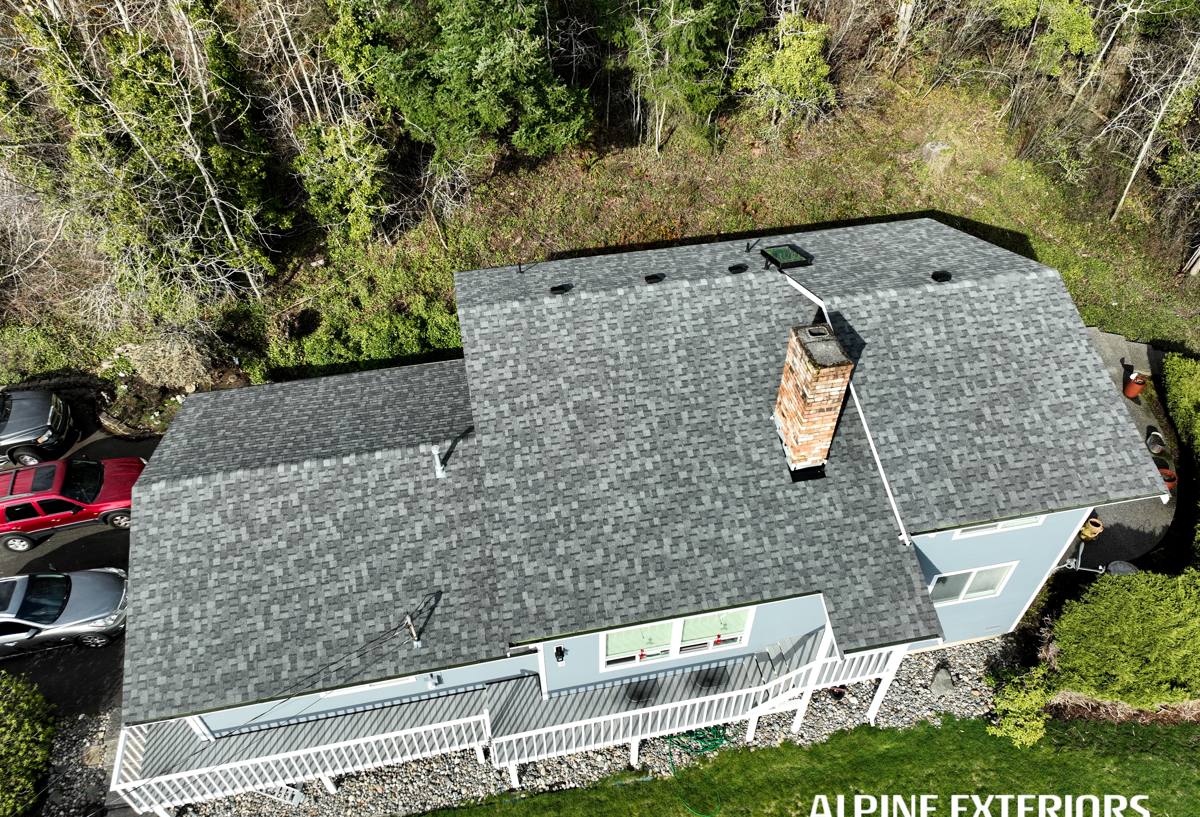
What Parrish's Climate Actually Does to a Deck
UV and Heat
Florida sun breaks down wood fibers and degrades the plasticizers in lower-grade composite decking faster than almost anywhere else in the country. Boards that aren't rated for high-UV exposure will fade unevenly, chalk, or become brittle years ahead of their advertised lifespan. This is one of the biggest reasons material selection matters more here than it does in a lot of the country.
Wind-Driven Rain and Moisture
Rain in this region rarely falls straight down. Wind-driven rain gets pushed sideways into ledger connections, under flashing, and into end-grain cuts that weren't properly sealed. Combined with our humidity, any moisture that gets trapped instead of shedding leads to rot in wood framing and corrosion in fasteners — often hidden underneath the deck where you won't see it until there's a real problem.
Salt Air and Storm Wind Loads
Even well inland of the coast, Manatee County's air carries enough salt to accelerate corrosion on standard fasteners and connectors over time. And every deck built here needs to be framed to resist hurricane-force wind loads, not just support the weight of furniture and people standing on it. That's a structural engineering question, not a cosmetic one — it affects post spacing, footing depth, and how the deck is tied back to the house.
What a Correctly Built Deck Involves Here
A deck that's actually built for this climate — not just built to pass a quick inspection — includes several details that are easy to skip and hard to see once the deck is finished:
- Stainless steel or coated, corrosion-rated fasteners and structural connectors throughout, not just at visible points
- Properly flashed ledger board attachment where the deck meets the house, to stop wind-driven rain from getting behind siding or into the rim joist
- Footings sized and set to local frost-free but high-water-table conditions, poured to the depth and diameter the structure actually calls for
- Hurricane ties and proper post-to-beam, beam-to-joist connections engineered for our regional wind load requirements
- Grade-appropriate spacing and slope so water sheds off the deck surface instead of pooling
- Sealed or capped end cuts on any wood component, since a factory-treated board with an exposed cut end is a moisture entry point
Skipping any one of these doesn't usually show up as a problem in year one. It shows up in year three or four as soft framing, rust streaks bleeding through boards, or a deck that starts to feel loose underfoot.
Choosing the Right Decking Material for a Parrish Home
There's no single "best" decking material for every homeowner — it depends on budget, how much maintenance you're willing to do, and how the deck will be used. Here's an honest comparison of the main options we install and repair in this area:
| Material | Upfront Cost | UV / Moisture Resistance | Maintenance | Realistic Lifespan Here |
|---|---|---|---|---|
| Pressure-treated wood | Lowest | Fair — needs sealing to perform | Annual sealing/staining recommended in our sun | 10–15 years with upkeep |
| Tropical hardwoods (e.g., ipe) | High | Very good naturally, but still needs periodic oiling | Moderate — periodic oiling to prevent graying/checking | 20-25+ years with care |
| Composite decking | Mid-to-high | Good, quality varies significantly by product line | Low — occasional washing | 20-30 years depending on product grade |
| PVC/capped polymer decking | Highest | Excellent — fully capped against moisture and UV | Lowest | 25-30+ years |
We steer most Parrish homeowners away from budget, uncapped composite boards specifically because of how our UV exposure and humidity combination treats them — moisture can wick into the core at cut ends and fastener holes over time, and cheaper capping wears through faster in constant sun. That's not a knock on composite decking as a category; it's why we're selective about which product lines we install and why we detail every cut end and fastener penetration regardless of material.
Permitting and Structural Requirements in Manatee County
Deck construction in Parrish falls under Manatee County's building permitting and inspection process, and any deck attached to the house or elevated beyond a certain height requires a permit, engineered plans for the connection details, and inspections at footing, framing, and final stages. This isn't paperwork for its own sake — it's what confirms the footings are actually deep enough, the ledger attachment won't pull away from the house in a storm, and the railing height and spacing meet code for safety. We handle the permitting and coordinate inspections as part of the job so homeowners aren't left navigating that process alone.
Our Process for Parrish Deck Projects
1. On-Site Consultation
We walk the property, look at grade, drainage, sun exposure, and how the deck will connect to the house, and talk through how you actually plan to use the space.
2. Design and Material Selection
We put together a layout and help you weigh material options honestly against your budget and maintenance preferences — including where a wood deck makes sense versus where composite or PVC is the smarter long-term call.
3. Permitting
We prepare and submit what Manatee County requires and schedule the inspections that go with each phase of construction.
4. Construction
Footings, framing, decking, and railing, built to the structural and moisture-management details covered above — not shortcuts that only show up as problems later.
5. Final Walkthrough
We go over the finished deck with you, confirm everything passed inspection, and cover any maintenance recommendations specific to the material you chose.
Maintaining a Deck in This Climate
Even a well-built deck needs some ongoing attention in Florida. Wood and hardwood decks need periodic sealing or oiling before the finish breaks down under UV exposure — waiting until it visibly fades means the wood underneath has already started weathering unprotected. Composite and PVC decks need far less, but they still benefit from periodic washing to keep salt residue, pollen, and mildew from building up on the surface. Fasteners and connectors, even corrosion-rated ones, are worth a visual check after major storms.
What to Ask Before Hiring a Deck Builder in Parrish
Not every contractor who builds decks in Florida builds them for Florida conditions. Before you hire anyone, it's worth asking:
- Are you licensed and insured to do this work in Manatee County?
- Will you handle the permit and schedule the required inspections?
- What fastener and connector hardware do you use, and is it rated for coastal/humid conditions?
- How will the ledger board be flashed against the house?
- What footing depth and post spacing are you specifying, and why?
- Can you walk me through the actual maintenance schedule for the material I'm considering?
A contractor who answers these questions specifically and confidently, without brushing past them, is a good sign. Vague answers on structural details are a red flag no matter how good the sales pitch sounds.
Why Local Experience in Parrish Matters
Every part of this — the framing details, the material recommendations, the permitting process — depends on actually understanding Manatee County's climate and code requirements, not a generic national build spec. A crew that already works in Parrish knows the soil and drainage patterns common in the area, has an existing relationship with the county's permitting and inspection process, and has seen firsthand what happens to decks that were built without the right details after a few Florida summers and a storm season or two. That local track record is worth something you can't get from a contractor working here for the first time.
If you're planning a new deck or need an honest look at one that's already showing wear, we're happy to come take a look. Reach out for a free, no-pressure estimate using the form below.