 Bradenton Window
 Windows Built Into New Parrish Homes, Not Just Sold to Them
Parrish has been one of the fastest-growing pockets of Manatee County for years, and that growth means a steady stream of new homes going up — from single custom builds to full phases inside larger communities. New-construction windows are a different job than a replacement window job. They go in before the stucco, before the paint, sometimes before the roof is fully dried in. Get that sequence wrong and you're not just dealing with a bad-looking window — you're dealing with a leak path that's sealed behind finished walls for the next twenty years.
We install new-construction windows for builders, general contractors, and owner-builders working in and around Parrish. This page covers what that job actually involves, what Manatee County's climate demands from the products and the installation, and how we fit into a build schedule without becoming the reason a project falls behind.
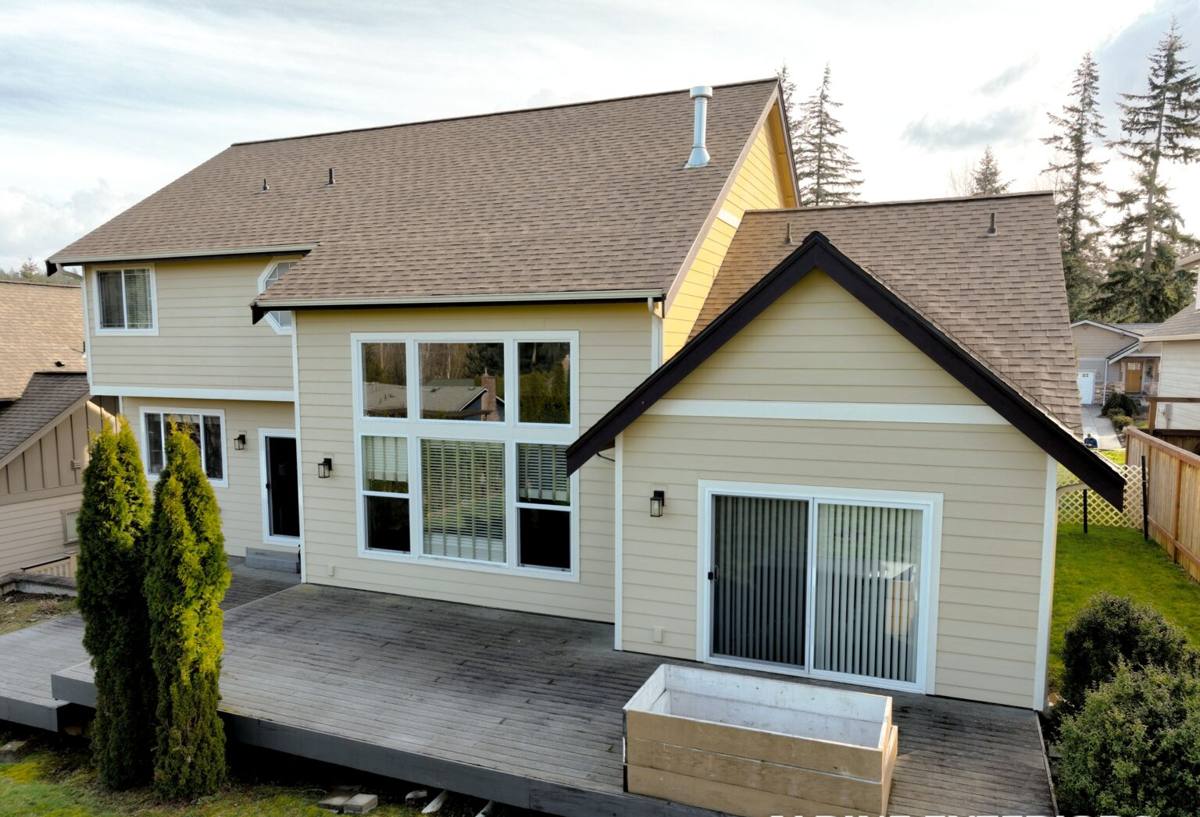
What Parrish's Climate Asks of a New Window Package
Manatee County sits in Florida's wind-borne debris region, and Parrish is no exception. Whatever else a new-construction window is — energy efficient, good-looking, easy to operate — it first has to survive the conditions it's being built into.
- Hurricane-force wind loads: Every window in a new Manatee County build has to be engineered and installed to meet the wind pressures assigned to that specific site and elevation, not a generic statewide number.
- Wind-driven rain: Storms here don't just bring wind — they push rain sideways, hard enough to find any gap in flashing or sealant. New construction gives you one real chance to flash the opening correctly before it's covered.
- Year-round UV: Florida sun is intense and constant, not seasonal. Frames, seals, and glass coatings all degrade faster here than in a milder climate if they're not spec'd for it.
- Salt air: Parrish sits a bit further inland than the barrier islands, so salt exposure is generally lighter than what you'd see on Anna Maria or Longboat Key — but Gulf Coast air still carries salt, and it still accelerates corrosion on the wrong hardware and fasteners over time.
A new-construction window package should be chosen with all four of these in mind from day one, not upgraded later after something fails.
Code Compliance Starts on the Plans, Not the Job Site
New construction gives you an advantage a retrofit never does: you can get the window spec right before a single opening is framed. That means confirming, before ordering, what the Florida Building Code and the local wind zone require for that lot — design pressure ratings, impact resistance (or an approved opening-protection alternative), and egress sizing for bedrooms.
We work from the plans and the site's wind exposure to make sure every window ordered is rated for what it actually needs to handle, then we install it to the manufacturer's approved installation instructions — which is what the inspector is checking against. Skipping that step, or ordering windows based on a generic "hurricane-rated" label without matching them to the specific design pressures for that address, is one of the most common ways new-construction jobs fail inspection or, worse, pass inspection and still underperform in a real storm.
What We Confirm Before Ordering
- Design pressure (DP) rating required for the specific elevation and exposure category
- Impact-resistance requirement or approved shutter/opening-protection alternative
- Egress size and sill height for bedroom openings
- Rough opening dimensions against the actual framed openings, not just the plan set
- Flashing and water-management method that matches the wall assembly (stucco, siding, or a mix)
Framing Material: What Actually Makes Sense for a New Build Here
New construction is the easiest time to choose the right frame material, because there's no old frame to match and no retrofit constraints. The trade-offs are straightforward once you lay them out.
| Frame Material | Wind/Impact Performance | Maintenance | Best Fit For |
|---|---|---|---|
| Vinyl | Good, in impact-rated configurations | Low — no repainting, won't corrode | Most residential new builds; budget-to-mid range |
| Aluminum | Very good strength-to-frame-size ratio | Low-moderate — needs quality coating to resist salt air over time | Larger openings, sliders, and homes wanting slimmer sightlines |
| Fiberglass | Excellent dimensional stability under heat/wind cycling | Low — very stable in UV and humidity swings | Higher-end builds prioritizing longevity and minimal expansion/contraction |
None of these is "wrong" — the right call depends on the openings, the elevation, and the budget for that specific home. What matters more than the material is that whatever's chosen is properly rated and properly installed, since an underperforming installation will undercut even the best frame material.
Why New-Construction Installation Is a Different Skill Than Replacement
Replacement window work fits a product into an existing, weathered opening. New-construction installation is the opposite: you're setting the standard the rest of the wall assembly has to live up to. The window goes in with a nailing fin (or block-frame anchoring, depending on wall type), and the flashing sequence around it has to integrate correctly with the weather-resistive barrier before stucco lath or siding ever goes up.
Get the flashing order wrong — say, lapping the barrier under the fin instead of over it — and you've built a water path directly into the wall cavity that won't show up as a problem until years later, usually as a stain, a soft spot, or mold behind drywall. There's no way to inspect it once the exterior finish is on, which is exactly why this step gets done right the first time or not at all.
What Correct New-Construction Installation Includes
- Rough opening checked for square, level, and correct dimension before the window ever arrives on site
- Sill pan flashing installed to shed any incidental water back outside the wall assembly
- Weather-resistive barrier integrated with the window flange in the correct shingle-lap order
- Fasteners and shims placed per the manufacturer's approved installation instructions — the same document the inspector references
- Sealant compatible with both the frame material and the wall assembly, applied where it's structural, not just cosmetic
- Final check of operation, egress clearance, and screen fit before the crew leaves the opening
How We Fit Into a Parrish Build Schedule
Builders and owner-builders don't need a window contractor who slows the job down. Our process is built around staying on schedule while still doing the installation correctly:
- Plan review: We review the plan set and wind zone data early, before framing is finalized, so window sizes and pressure ratings are locked in and won't cause a change order later.
- Ordering and lead-time coordination: Impact-rated and larger custom sizes can carry longer lead times than stock sizes — we order early enough that windows are on site when the opening is ready, not sitting in a warehouse holding up drywall.
- Rough opening verification: Before install day, we check actual framed openings against the ordered sizes to catch framing errors while they're still cheap to fix.
- Installation: Full flashing and anchoring sequence per manufacturer instructions, done in the order the wall assembly requires.
- Inspection support: We install to the standard the local building inspector is checking, and we're available to address any inspection comments quickly rather than leaving the GC to chase it down.
- Final walk: Every window operated, checked, and cleaned before we consider the opening closed out.
Energy Performance Worth Paying For
Florida's energy code sets minimum U-factor and solar heat gain coefficient (SHGC) requirements for a reason — Gulf Coast sun drives cooling loads hard, and a poorly rated window turns a new home's HVAC system into a machine that's always catching up. For new construction, this is a one-time decision that pays back for the life of the house: a properly rated low-E glass package keeps interior heat gain down without making rooms feel dark, and it's far cheaper to spec correctly up front than to upgrade after move-in.
Mistakes We See on New-Construction Window Jobs
- Windows ordered off a generic "impact-rated" label without matching the design pressure to the actual elevation and exposure
- Flashing installed out of sequence with the weather-resistive barrier, sealed behind stucco before anyone catches it
- Rough openings framed slightly out of square, discovered only when the window arrives and doesn't sit right
- Sealant used as a substitute for correct flashing instead of a backup to it
- Egress or sill height missed on a bedroom opening, caught late by the inspector instead of early on the plans
Why a Crew That Already Works Parrish Matters
New construction runs on coordination — with the GC's schedule, with other trades framing and stuccoing around the same openings, and with Manatee County's inspection process. A crew that's already done this work in Parrish knows what local inspectors look for, how to sequence around the trades typically running on these builds, and what wind zone and exposure data applies to specific parts of the county. That familiarity is the difference between a window package that clears inspection the first time and one that generates a punch list.
If you're building in Parrish — whether it's a single custom home or you're a builder looking for a window sub who won't hold up your schedule — we'd like to walk the plans with you. Reach out for a free, no-pressure estimate using the form below, and we'll go over what your specific site needs before anything gets ordered.