 Bradenton Window
 Parrish Sits Right in the Path of Florida's Toughest Siding Conditions
Parrish has grown fast over the last decade, and a lot of that growth is newer construction with siding that was never really built for the long haul in this part of Florida. Whether your home has vinyl, engineered wood, or aging fiber cement, the exterior of a Manatee County house takes a specific kind of punishment: hurricane-force wind gusts during storm season, wind-driven rain that gets pushed sideways into every seam and joint, intense UV exposure nearly every day of the year, and salt-laden air moving inland from the Gulf and Tampa Bay. None of that is unique to Parrish, but it's a lot more relentless here than in most of the country, and it shows up in siding failures faster than homeowners expect.
Siding installation isn't just a cosmetic upgrade. It's the layer standing between your home's structure and everything Florida throws at it. Done right, it holds up for decades. Done wrong — or done with the wrong material — it starts failing in places you can't see until the damage is already behind the wall.
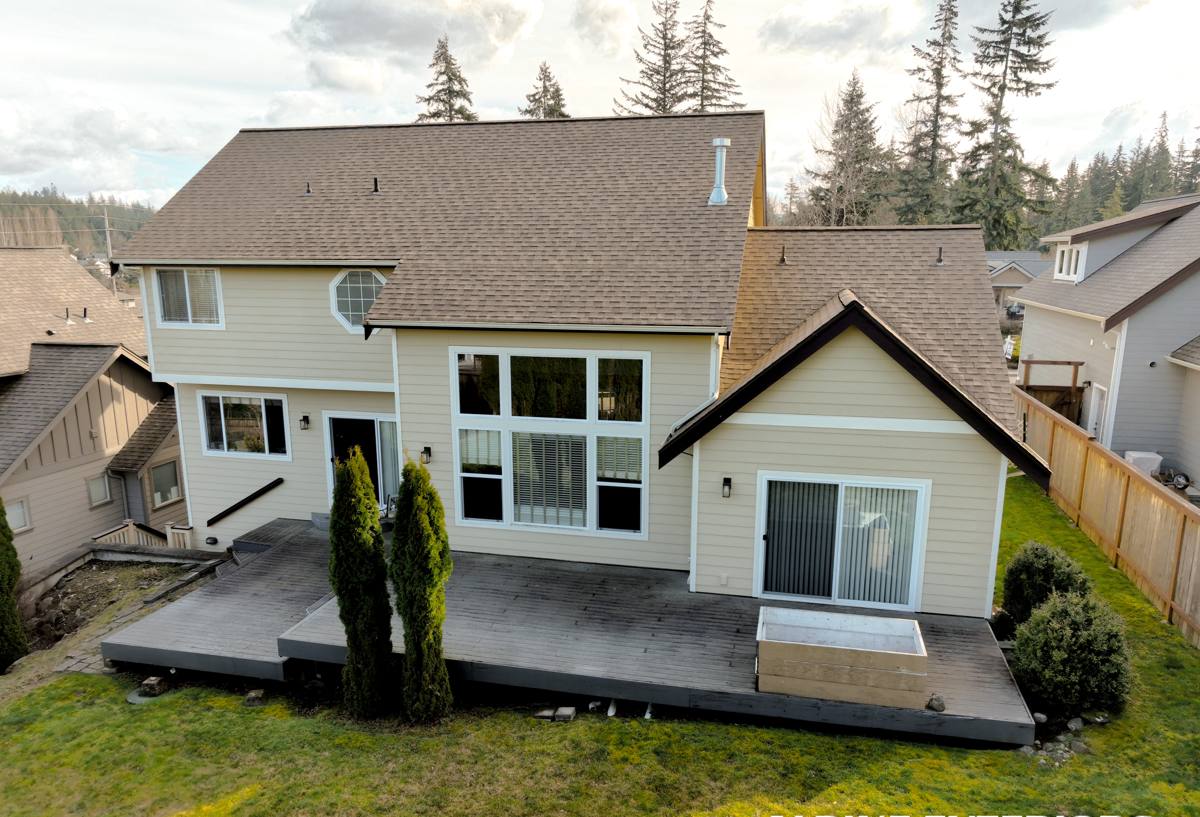
What Correct Siding Installation Actually Requires Here
Substrate and Moisture Management
Before a single piece of siding goes up, the wall behind it needs to be right. That means checking sheathing for existing moisture damage, confirming the weather-resistive barrier is intact and properly lapped, and making sure any rot or soft spots are addressed — not covered up. In a climate where wind-driven rain regularly tests every seam in a home's exterior, skipping this step is how "new siding" ends up hiding old problems.
Fastening and Clearances
Fiber cement siding has specific fastening patterns, nail spacing, and clearance requirements from grade, roof lines, and other flashing — and those specs get more important, not less, in a high-wind zone like ours. Manatee County's wind load requirements aren't a suggestion; they reflect what this area actually experiences during hurricane season.
Flashing and Water Management Details
Windows, doors, and any wall penetration need flashing that directs water out and away from the wall assembly, not just caulk smeared over a gap. Caulk fails. Properly lapped flashing doesn't. This is the detail that separates a siding job that looks fine for two years from one that performs for decades.
Caulking, Painting, and Finish Lines
Factory-applied finishes hold up far better than field-applied paint under constant UV exposure, and the caulk joints that do exist need to be installed with the right joint width and a sealant rated for exterior movement and sun exposure — not whatever's cheapest at the hardware store.
Why We Install Only James Hardie Fiber Cement
We don't install vinyl siding, LP SmartSide, Cemplank, Allura, or primed wood products like spruce or cedar. That's not a marketing position — it's a standard we set because of what we've seen these products do, and not do, in coastal Florida conditions over time.
Non-Combustible and Built for the Elements
James Hardie fiber cement is non-combustible, resists moisture-related swelling and rot far better than wood-based siding products, and doesn't warp or soften in sustained heat the way vinyl can. In a region with intense year-round sun and salt air working on every exterior surface, that durability difference compounds year after year.
ColorPlus Technology
Hardie's ColorPlus finish is baked on in a factory-controlled process, which gives it better fade resistance than field-applied paint and means touch-ups match rather than requiring a full repaint. For a Parrish home facing near-constant UV exposure, that's a meaningful difference in how the house looks in year eight versus year one.
Climate-Engineered Product Lines
Hardie engineers its HZ5 product line specifically for humid, high-UV, storm-prone climates like ours — different from the HZ10 formulation built for colder, freeze-thaw regions. That's not a generic product with a regional label slapped on; the formulation itself is built around what a house in our climate zone actually faces.
A Warranty Worth Something
Hardie backs its siding with a strong, transferable limited warranty — which matters both for your own peace of mind and for resale value, since it transfers to the next owner if you sell.
Why We Don't Install the Alternatives
Vinyl siding is inexpensive and easy to install, but it can soften, warp, or crack under sustained heat and impact, and it doesn't hold up to wind-driven debris the way fiber cement does. Engineered wood products like LP SmartSide perform well in many climates but carry more moisture sensitivity at cut edges and seams than fiber cement, which matters in a region with this much wind-driven rain. Primed spruce and cedar are attractive materials, but they require an ongoing maintenance commitment — repainting, sealing, and monitoring for rot — that most homeowners underestimate until it's overdue. We'd rather put one material on your home that we can stand behind fully than offer several and hope one works out.
Our Siding Installation Process for Parrish Homeowners
- On-site assessment. We inspect your existing siding, sheathing, and trim to identify moisture damage, rot, or structural issues before any work begins.
- Tear-off and substrate repair. Old siding comes off, damaged sheathing gets replaced, and the weather-resistive barrier is inspected or renewed.
- Flashing and water management. Windows, doors, and penetrations are flashed correctly before any siding goes up — this step gets skipped more often than homeowners realize on lower-cost jobs.
- Hardie installation to manufacturer spec. Fastening patterns, clearances, and joint treatment follow James Hardie's published installation requirements, not shortcuts.
- Trim, caulking, and finish detail. Joints, corners, and transitions are sealed and finished for a clean, weather-tight result.
- Final walkthrough. We go over the completed work with you before calling the job done.
Signs Your Parrish Home's Siding Needs Attention
- Visible warping, buckling, or soft spots you can press in with a hand
- Paint that's peeling or fading unevenly, especially on sun-exposed walls
- Cracked or missing caulk lines around windows, doors, or trim
- Musty smell or discoloration on interior walls that share an exterior wall
- Visible gaps, warping, or loose panels after a storm season
- Siding that's original to a home more than 20 years old with no documented replacement
Cost Factors to Understand Before You Budget
Every home is different, and an accurate number only comes from an on-site look at your walls, trim, and square footage. But these are the factors that move the number most:
| Factor | Why It Matters |
|---|---|
| Tear-off scope | Full removal of old siding and any hidden sheathing repair adds labor and material |
| Home size and wall complexity | More corners, gables, and dormers mean more cutting, trim, and labor time |
| Substrate condition | Rot or moisture damage found during tear-off requires repair before new siding goes up |
| Product line and profile | Lap width, texture, and trim details affect material cost |
| Trim and accessory work | Fascia, soffit, and window trim replacement alongside siding adds scope but improves the finished result |
What to Look for When Hiring a Siding Contractor in Parrish
Parrish homeowners get pitched a lot of exterior contractors, and not all of them install to the same standard. A few things worth checking before you sign anything:
- Are they licensed and insured to do exterior work in Florida, and will they show you proof without being asked twice?
- Do they install one siding system to manufacturer specification, or do they sell whatever's cheapest that week?
- Will they explain flashing and moisture management details, or just talk about the finished look?
- Can they speak to Manatee County's wind load and fastening requirements specifically?
- Is the warranty backed by the manufacturer, or just a verbal promise from the crew?
Why Local Experience in Parrish Matters
A crew that already works this area knows what Manatee County wind loads require, understands how salt air and UV exposure behave differently on a house near the water than one further inland, and has already seen how different siding products actually hold up here — not just on paper, but on real houses through real storm seasons. That's a different starting point than a contractor working from a generic install guide with no sense of what Parrish's climate actually does to an exterior over time.
If your Parrish home needs new siding — or you're just trying to figure out whether what you have is still doing its job — we're happy to take a look and give you a straight answer. The estimate is free, there's no pressure, and you can fill out the form below to get started.