 Bradenton Window
 Storm Damage Roof Repair Built for Rosedale
Rosedale sits inland from the coast, but "inland" in Manatee County still means direct exposure to hurricane-force wind gusts, tropical downpours, and the kind of afternoon storms that roll through Bradenton all summer long. Roofs here take a beating that homeowners further north rarely deal with, and the damage doesn't always show up where you'd expect. A roof that looks fine from the driveway can be hiding lifted shingles, compromised flashing, or a slow leak that's been feeding moisture into the attic for weeks.
This page is about one thing: repairing storm-damaged roofs on Rosedale homes correctly, not just patching what's visible and hoping the next storm doesn't find the weak spot. If you've had recent wind, hail, or heavy rain and you're not sure whether your roof needs attention, this is the service that answers that question honestly.
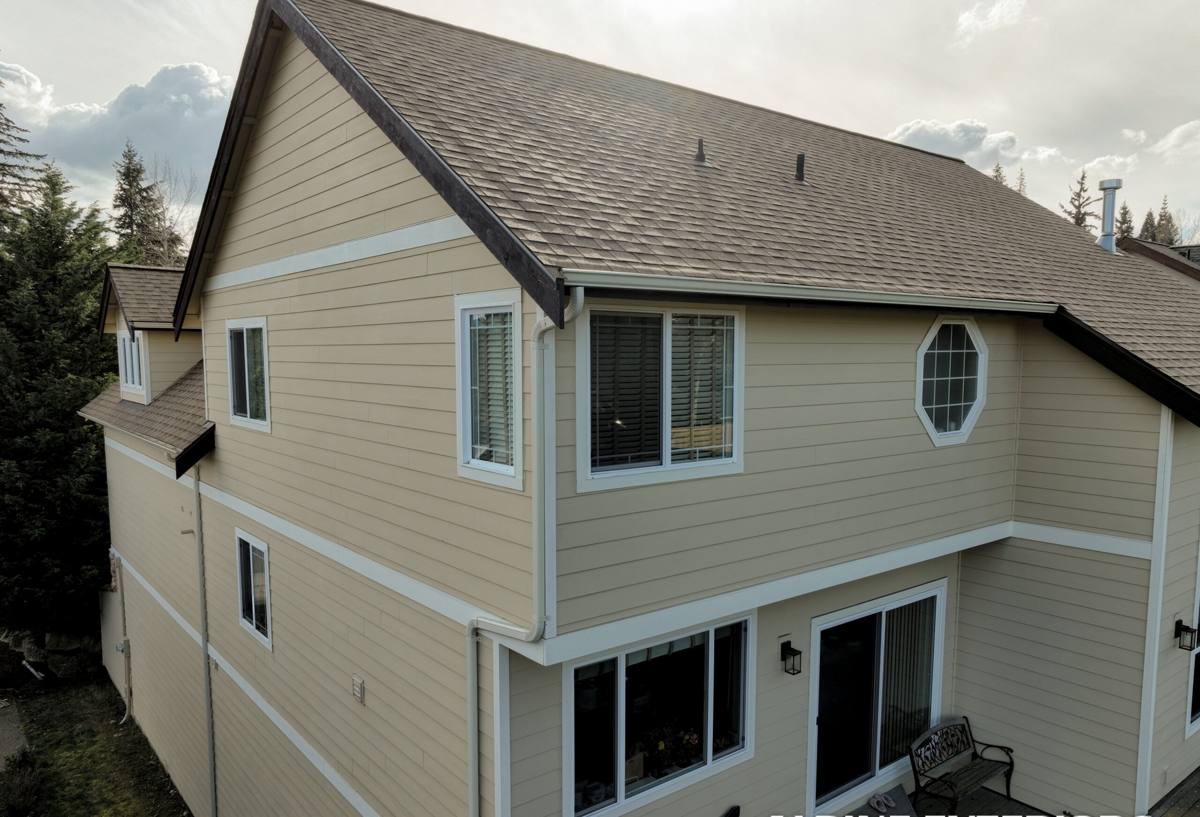
Why Rosedale Roofs Take Storm Damage Differently
Rosedale's mix of newer construction and established homes means roof age, material, and installation quality vary a lot block to block. That matters when a storm rolls through, because the same wind event can leave one roof untouched and strip shingles off the house next door.
The Climate Factors at Play
- Wind-driven rain: Bradenton storms rarely fall straight down. Wind pushes rain sideways and up under shingle edges, flashing laps, and ridge caps that were never designed to shed water from that angle.
- UV exposure: Florida's year-round sun bakes asphalt shingles and dries out sealant strips faster than in most of the country, so roofing that's handled a few storms fine in year three can fail in year eight.
- Salt air influence: Even set back from the coast, Manatee County air carries enough salinity to accelerate corrosion on exposed nails, flashing, and metal roof edges over time.
- Sudden pressure changes: Hurricane and tropical storm winds create uplift at eaves, ridges, and rake edges — the areas most likely to show the first signs of storm damage.
None of this means Rosedale roofs are poorly built. It means storm damage repair here has to account for cumulative wear, not just the most recent event.
What Real Storm Damage Looks Like
Storm damage isn't always a hole in the roof. Most of what we find during a post-storm inspection falls into a handful of categories, and homeowners often don't notice any of them from the ground.
Common Damage We Find After Storms
- Shingles that are lifted, creased, or missing entirely along ridges and edges
- Flashing pulled loose around chimneys, skylights, and roof-to-wall transitions
- Sealant that's cracked or separated at penetrations (vents, pipe boots, mounts)
- Granule loss on asphalt shingles, which accelerates UV breakdown underneath
- Soft spots or staining on interior ceilings that trace back to a roof leak
- Debris impact damage — branches, hail, or wind-blown material striking the roof surface
The dangerous ones are the leaks that don't show up right away. A lifted shingle or a gap in flashing can let water in slowly, and by the time it stains a ceiling inside the house, the underlayment and decking underneath may already be compromised. That's why timing matters after a storm — the longer damage goes unaddressed, the more it costs to fix properly.
What a Correct Repair Actually Involves
A lot of storm repair work in this industry is done fast and cheap — a few shingles swapped, a bead of sealant, done. That approach often just delays the next call. A correct repair addresses the cause, not just the symptom.
Our Repair Process
- Full roof inspection, not just the reported area. Storm damage is rarely isolated to one spot. We check the whole roof plane, all flashing points, and attic access for signs of moisture intrusion.
- Document the damage. Clear photos and notes on what's damaged, why, and how it happened — useful for your own records and for insurance if you're filing a claim.
- Address the underlayment and decking, not just the surface. If water has reached the wood decking or underlayment, replacing shingles on top of that without fixing what's underneath just seals in a future problem.
- Match materials and technique to what's already there. Repairs should tie into the existing roof system correctly — proper shingle nailing patterns, flashing laps that shed water the right direction, and sealant only where it belongs, not as a substitute for proper flashing.
- Verify the fix. We check that repaired areas are sealed, secure, and match the surrounding roof before we call the job done.
What We Won't Do
We don't recommend a full roof replacement when a targeted repair will genuinely hold up — that's a waste of your money. We also don't patch over decking that's soft or delaminated just to save a step, because that repair won't last through the next storm season, and you'd be paying for the same fix twice.
Repair vs. Replacement: How We Make the Call
| Factor | Leans Toward Repair | Leans Toward Replacement |
|---|---|---|
| Roof age | Under 10-12 years, materials still sound | Near or past expected lifespan for the material |
| Extent of damage | Isolated to one section or a handful of penetrations | Widespread across multiple roof planes |
| Decking condition | Dry, solid, no rot | Soft spots, delamination, or repeated water intrusion |
| Storm history | First significant event on an otherwise healthy roof | Multiple storms have compounded damage over the years |
| Underlying material condition | Shingles/underlayment still flexible, not brittle | Granule loss, brittleness, or visible aging beyond the damaged area |
Every roof is different, which is why this table is a starting point for the conversation, not a substitute for an actual inspection.
Insurance and Storm Repair: What Homeowners Should Know
If your roof damage came from a named storm or a documented wind/hail event, you may have an insurance claim available. We're not an insurance company and we won't promise a claim outcome, but we can give you honest, documented findings about what's damaged and why — the kind of information adjusters need to see. A few things worth knowing:
- Insurers generally want to see damage tied to a specific storm event, not general wear and tear
- Photo documentation taken close to the time of damage strengthens a claim
- Getting a repair estimate doesn't obligate you to file a claim — sometimes a repair is small enough that paying out of pocket makes more sense than a deductible
- We'll always tell you honestly if we think a claim is or isn't worth pursuing based on what we find
Why a Crew That Works Rosedale Regularly Matters
Roofing crews that only pass through the area occasionally miss things that local crews catch automatically — the specific way certain neighborhoods sit relative to prevailing storm tracks, which roof ages are common on which streets, and how local permitting and inspection processes actually work in Manatee County. That familiarity shows up in the quality of the assessment and the speed of the repair, especially in the days after a storm when demand for roofing work spikes across the whole region.
It also matters for accountability. A contractor who works Rosedale regularly has a reputation in the neighborhood to protect and expects to be back in the area for the next job — that's a different incentive than a storm-chasing crew that's gone once the check clears.
Quick Checklist: What to Do After Storm Damage
- Photograph any visible damage from the ground — don't get on the roof yourself
- Check the attic (if safely accessible) for water stains, damp insulation, or daylight through the decking
- Note ceiling stains, damp spots, or musty smells anywhere in the house
- Avoid "storm chaser" contractors who show up door-to-door immediately after a storm with high-pressure offers
- Get a real inspection before deciding between repair and replacement
- Keep records of any temporary measures (tarps, emergency patches) for insurance purposes
What to Expect When You Call Us
We'll ask what happened — the storm, when you noticed damage, and where. Then we schedule an inspection that covers the full roof, not just the area you're worried about, because storm damage often extends further than what's visible from the ground. You'll get a straight answer about whether you need a repair, how extensive it is, and roughly what it involves — no inflated scope, no pressure toward a full replacement if a repair will genuinely do the job.
If your Rosedale home has visible or suspected storm damage, don't wait for it to become a bigger repair. Reach out for a free, no-pressure estimate using the form below, and we'll walk you through exactly what we find and what we recommend.