 Bradenton Window
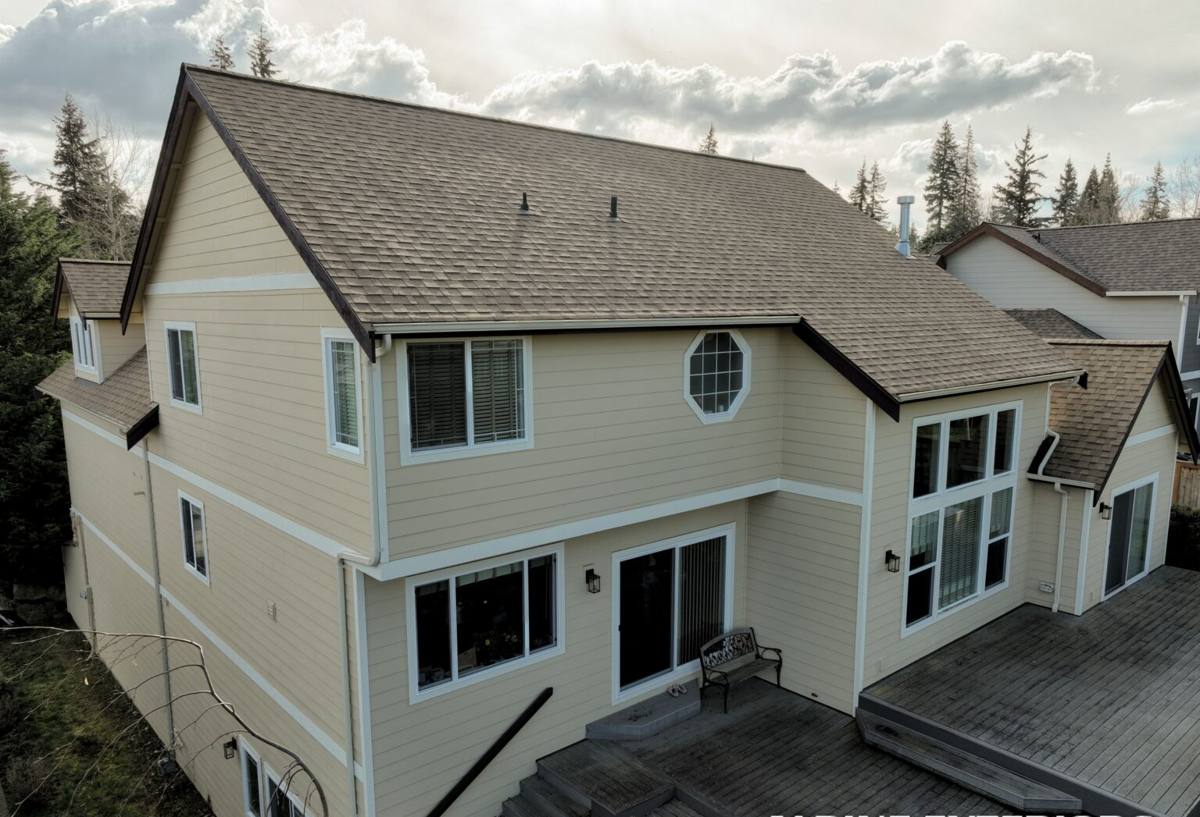
 New Roof Installation for Samoset Homes
Samoset sits close enough to the coast that every roof here deals with the same combination of stresses: long stretches of intense UV, sudden wind-driven downpours, salt-laden air moving in off the water, and the real chance of a tropical system putting hurricane-force gusts against the structure. A roof that's a few years past its service life in a drier, cooler climate can still look fine. In Manatee County, that same roof is usually already failing in ways you can't see from the ground — brittle shingles, corroding fasteners, or underlayment that's given out under years of heat cycling.
When it's time to replace a roof in this neighborhood, the goal isn't just to put new material on top of the old deck. It's to build a system — deck, underlayment, flashing, fasteners, and covering — that's matched to what this specific climate does to a roof over time, and installed by a crew that has done exactly that job, on exactly this kind of house, many times before.
What Bradenton's Climate Actually Does to a Roof
UV and Heat
Florida sun is harder on roofing materials than most homeowners realize. Constant UV exposure breaks down the oils and asphalt binders in shingles, which is why a shingle roof rated for 25-30 years in a mixed climate often shows granule loss, curling, and brittleness well before that mark here. Daily heat cycling — hot afternoons, cooler nights — also stresses fasteners and seams, which is where leaks tend to start.
Wind-Driven Rain
It's not just how hard it rains — it's the angle. Storms here regularly push rain sideways under wind pressure, which means any weak point in flashing, valleys, or shingle seal strips becomes a way for water to get under the roof covering instead of running off it. A roof that would shed water fine in a calm rain can leak in a wind event if the details weren't installed correctly.
Salt Air and Corrosion
Even a few miles inland, coastal air carries salt that accelerates corrosion on exposed metal — nails, flashing, vents, and fastener heads. Roofing hardware that isn't rated for coastal exposure can start rusting years before the roofing material itself is due for replacement, and corroded fasteners are one of the more common causes of shingle blow-off in a hurricane.
Hurricane-Force Wind
Florida's building code sets wind-uplift and fastening requirements specifically because of storms like these. A roof installed to minimum spec on paper can still underperform if nailing patterns, starter courses, or edge details aren't done precisely — wind failures overwhelmingly start at edges, ridges, and corners where uplift forces concentrate.
Signs a Samoset Roof Needs Full Replacement, Not a Repair
- Granule loss heavy enough that you can see bare, shiny patches on shingles from the ground
- Shingles that are curling, cupping, or cracking across multiple areas of the roof, not just one spot
- Soft or spongy decking felt underfoot in the attic, or daylight visible through the roof boards
- Repeated leaks in different locations after a storm, even after past patch repairs
- Roof age past 18-20 years for asphalt shingle, or visible sagging along the roofline
- Missing or lifted shingles after wind events, especially if it's become a recurring pattern
- Rusted or deteriorating flashing around chimneys, vents, or roof-to-wall transitions
If only one or two of these apply and the roof is otherwise sound, a repair may be the right call. Once several of these stack up, patching stops being cost-effective and a full replacement is usually the honest recommendation.
What a Correct Roof Replacement Involves
Tear-Off and Deck Inspection
We remove the old roofing down to the deck rather than layering over it. That's the only way to actually see the condition of the plywood or OSB underneath — soft, delaminated, or water-stained decking gets replaced before anything new goes down. Roofing over a compromised deck just hides the problem under a new warranty period.
Underlayment
Underlayment is the roof's backup waterproofing layer, and it matters more here than in drier climates because of how often wind drives rain under the primary covering. We use underlayment systems built for this exposure, with proper overlap and sealing at seams, valleys, and penetrations.
Flashing and Edge Details
Flashing around chimneys, skylights, vents, and roof-wall intersections is where most leaks actually originate — not in the open field of the roof. We fabricate and install flashing correctly rather than relying on caulk or sealant to make up for a poor fit, since caulk degrades in UV and heat far faster than metal flashing does.
Fastening for Wind Uplift
Nailing pattern, nail placement, and fastener count directly determine how a roof performs in a wind event. We follow Florida Building Code wind-uplift requirements for this region, with corrosion-resistant fasteners appropriate for coastal salt exposure, not standard hardware that starts rusting within a few storm seasons.
Ventilation
Proper attic ventilation reduces heat buildup that shortens shingle life from underneath and helps manage moisture that can otherwise lead to deck rot. We check existing ventilation as part of the replacement and correct it where it's inadequate, rather than reinstalling a roof over a ventilation problem.
Roofing Material Options for This Area
| Material | Typical Lifespan Here | Wind Performance | Considerations |
|---|---|---|---|
| Architectural asphalt shingle | 18-25 years | Good when properly fastened and rated for high wind | Most common and cost-effective; UV and heat shorten lifespan versus cooler climates |
| Standing seam metal | 40-50+ years | Excellent; performs well in high-wind testing | Higher upfront cost; reflects heat well, which can reduce cooling costs |
| Tile (concrete or clay) | 40-50+ years | Strong when properly fastened; individual tiles can crack from impact | Heavier — requires the structure to support the load; higher installed cost |
| 3-tab asphalt shingle | 12-18 years | Lower wind rating than architectural shingles | Lowest upfront cost, but shorter service life in this climate |
We install based on what fits the home's structure, the homeowner's budget, and how long they want the roof to last — not a one-size answer. For most Samoset homes, architectural shingle with a strong wind rating hits the right balance of cost and performance, but we'll walk through metal or tile if longevity or resale value is the priority.
Our Process for a Samoset Roof Replacement
- On-site inspection and estimate — we assess the current roof, deck condition where visible, and any problem areas, and give you a clear written estimate with material options.
- Material selection — we go over the trade-offs between shingle, metal, and tile for your specific roof and budget, with no pressure toward the most expensive option.
- Permitting — roof replacements in Manatee County require a permit; we handle that process and the required inspections.
- Tear-off and deck repair — full removal of the old roofing, with any deteriorated decking replaced before underlayment goes down.
- Installation — underlayment, flashing, and the new roof covering installed to code-required wind-uplift specifications.
- Final inspection and cleanup — county inspection sign-off, magnetic sweep for stray nails, and full site cleanup before we consider the job done.
Why a Crew That Already Works Samoset Matters
Roofing crews that work across a wide, varied territory don't always have a feel for what a specific neighborhood's homes actually need — the age and construction style of the housing stock, common existing roof problems in the area, or how local permitting and inspection tends to go. A crew that regularly works Samoset and the surrounding Bradenton area has already seen how these homes were built, what tends to fail first, and what the county inspectors expect to see. That familiarity translates into fewer surprises during the job and a roof that's built for the conditions it will actually face, not a generic install.
It also means faster response if a problem shows up after installation — no waiting on a crew that has to travel in from outside the area, especially in the weeks after a storm when local roofing demand spikes.
Cost Factors Homeowners Should Understand
| Factor | How It Affects Cost |
|---|---|
| Roof size and pitch | Larger and steeper roofs require more material and labor time |
| Material choice | Shingle is the lowest upfront cost; metal and tile cost more but last significantly longer |
| Deck condition | Rotted or damaged decking found during tear-off adds repair cost not visible from the ground |
| Number of penetrations | Chimneys, skylights, and vents each require additional flashing work |
| Wind rating and code requirements | Higher wind-rated systems and fastening add cost but reduce storm damage risk |
We give a firm, itemized estimate before any work starts, so there's no guessing about what's included. If deck damage turns up during tear-off that wasn't visible beforehand, we'll show it to you directly and get approval before doing anything beyond the original scope.
Get a Free Estimate
If your Samoset roof is showing its age or you're planning ahead of the next storm season, we're glad to come take a look and give you an honest assessment — no pressure, no obligation. Use the form below to request a free estimate and we'll get in touch to schedule a time that works for you.