 Bradenton Window
 Window Installation Built for Samoset's Climate
Samoset sits in the heart of Manatee County, close enough to Tampa Bay and the Gulf that salt air, humidity, and storm winds are a constant fact of life for every home in the neighborhood. Whether your house is an older block-and-stucco home from decades past or a newer build, the windows on it are doing more work than most homeowners realize. They're holding back wind-driven rain during summer thunderstorms, blocking UV that fades floors and furniture year-round, and standing between your family and whatever a hurricane season decides to send up the coast. When those windows are original, mismatched, or installed poorly, none of that protection is reliable.
We install windows in Samoset the way the climate here actually demands, not the way a generic install would go in a drier, milder part of the country. That means paying close attention to flashing, sealant, fastening schedules, and product ratings that are appropriate for coastal Bradenton, not just "code minimum" on paper.
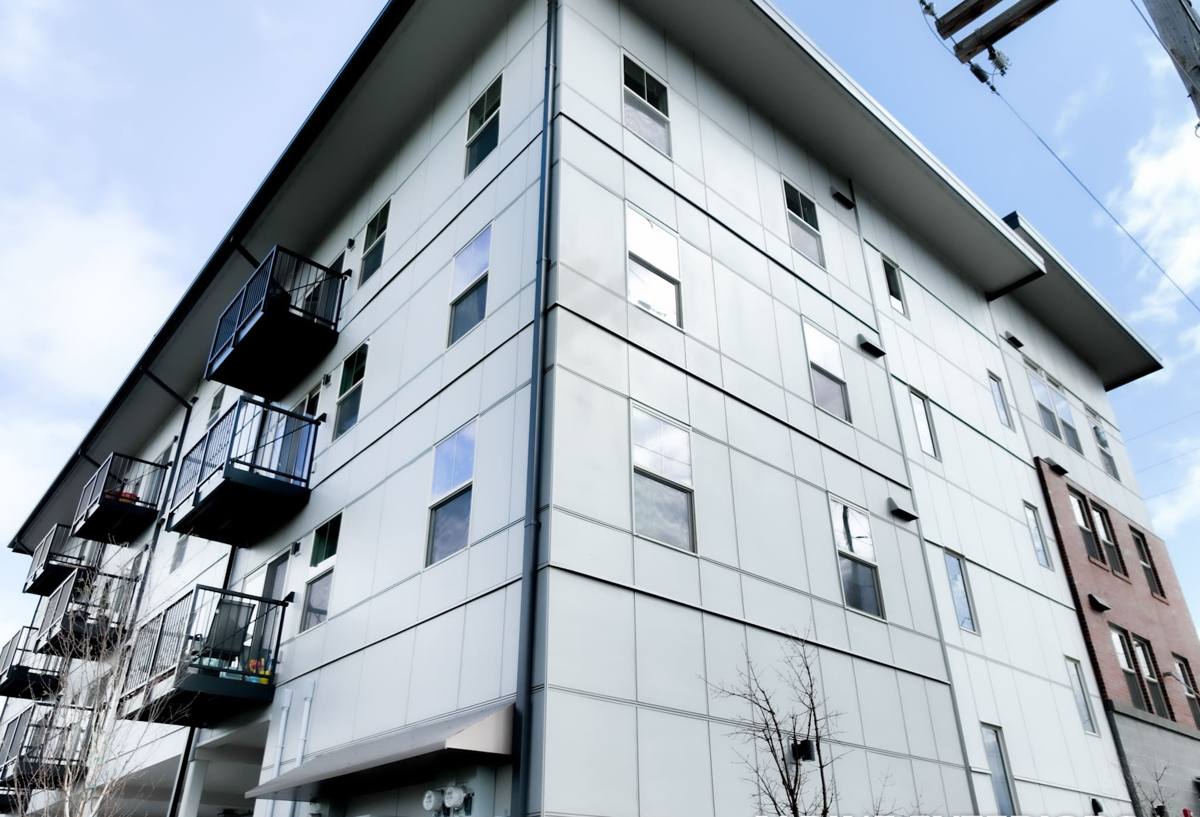
What Samoset Homes Are Up Against
Heat and UV
Bradenton gets sun nearly every day of the year, and that constant UV exposure breaks down old window seals, warps vinyl frames, and cooks single-pane glass into an expensive air conditioning liability. Homes with original 1970s-1990s aluminum single-pane windows are especially common in this part of Manatee County, and they're often the single biggest source of heat gain in the house.
Wind-Driven Rain
Florida storms rarely fall straight down. Afternoon thunderstorms and tropical systems push rain sideways into window frames, and any gap in flashing or sealant becomes a path for water intrusion. Once water gets behind a frame, it doesn't just stain a sill, it can rot wood framing, feed mold growth inside the wall cavity, and go unnoticed until the damage is expensive.
Hurricane-Force Wind
Manatee County sits in a wind-borne debris region, and Samoset homes need windows and installations that can handle sustained wind loads and impact from flying debris. This isn't optional bracing, it's a structural requirement that affects the product you choose and how it's anchored into the wall.
Salt Air Corrosion
Even a few miles inland from the Bay, salt-laden air accelerates corrosion on hardware, screws, and frame components that aren't rated for coastal exposure. Fasteners and hardware that would last decades in Ohio can fail in a fraction of that time here if they're not the right grade of material.
What a Correct Window Installation Involves
A window installation that actually holds up in Samoset isn't just "remove old window, screw in new window." It's a sequence, and skipping steps is exactly how homeowners end up with leaks, drafts, or failed inspections a few years down the road.
- Rough opening inspection — checking the framing around each window for rot, settling, or out-of-square conditions before anything new goes in.
- Old window removal — carefully pulling the existing unit without damaging stucco, siding, or interior trim more than necessary.
- Flashing and moisture barrier work — installing or repairing flashing tape and building paper so water is directed out and away from the wall cavity, not into it.
- Proper shimming and leveling — setting the new window plumb, level, and square so it operates correctly and seals evenly on all four sides.
- Fastening to manufacturer and wind-load spec — using the correct fastener type, spacing, and embedment for the product's impact and wind rating, not a generic screw pattern.
- Sealing — a continuous, properly tooled sealant bead on the exterior, backed by correct interior air sealing, so there's no single point of failure.
- Interior and exterior trim-out — restoring stucco, siding, or trim around the opening to a clean, finished appearance.
- Final function and weather check — confirming smooth operation, tight seals, and no visible gaps before we call the job done.
Any one of these steps done wrong undermines the whole installation, no matter how good the window itself is. This is why we treat installation quality as equally important as product selection.
Choosing the Right Window for a Samoset Home
Not every home needs the same window. Older homes with wood-frame rough openings need different prep work than concrete block construction. Homes closer to the water benefit from higher corrosion-resistant hardware. Budget, frame material, and impact rating all factor into what makes sense for a given house.
| Factor | What to Consider | Why It Matters in Samoset |
|---|---|---|
| Frame material | Vinyl, aluminum, or fiberglass | Vinyl resists salt corrosion well; aluminum is strong but needs coastal-grade coatings; fiberglass holds up to UV and heat cycling with minimal warping |
| Impact rating | Impact-resistant glass vs. standard glass with shutters | Impact glass provides constant protection without needing to deploy shutters before every storm |
| Glass package | Low-E coatings, tinted or laminated options | Cuts UV-driven fading and reduces cooling load in a climate that runs the AC most of the year |
| Hardware grade | Standard vs. coastal-rated fasteners and locks | Salt air accelerates corrosion on lower-grade hardware, shortening service life |
| Installation method | Full-frame replacement vs. pocket/insert replacement | Full-frame is often necessary when existing framing has moisture damage or is out of square |
We walk through these trade-offs honestly with every homeowner. There's rarely a single "best" answer, it depends on your home's age, construction, and how long you plan to stay in it.
Full-Frame vs. Insert Replacement
One decision that comes up on almost every job is whether to do a full-frame replacement, removing the window down to the rough opening, or an insert replacement, where the new window goes into the existing frame. Insert replacements are faster and less invasive, and they work fine when the existing frame is square, dry, and structurally sound. But in Samoset, where many homes have older frames that have seen decades of humidity and sun exposure, we often find rot, corrosion, or out-of-square openings that make full-frame replacement the more honest recommendation, even though it takes more labor. We'll tell you plainly which situation you're in rather than defaulting to whichever is easier for us.
Our Process, Start to Finish
1. On-Site Assessment
We look at every window opening in person, not just from photos. That includes checking framing condition, current window performance, and any signs of past water intrusion.
2. Honest Product Recommendation
We'll walk you through frame materials, glass packages, and impact ratings that fit your home and budget, without pushing an upsell you don't need.
3. Written Estimate
You get a clear, itemized estimate before any work starts. No surprise line items added mid-project.
4. Scheduled Installation
We plan around Florida's weather patterns and work efficiently to minimize the time your home has an open exterior wall.
5. Cleanup and Final Walkthrough
Every window is checked for smooth operation and a tight seal before we consider the job finished, and the work area is cleaned up before we leave.
Why Local Experience in Samoset Matters
A crew that regularly works Manatee County knows the practical realities that don't show up in a spec sheet: which older Samoset neighborhoods tend to have out-of-square framing, how stucco patch work needs to be handled to match existing texture, and what wind and impact ratings actually make sense for this part of the Gulf Coast versus a generic statewide recommendation. That local familiarity translates into fewer surprises during the job and a finished install that's actually suited to how this specific area weathers over time.
It also means faster response if something needs a follow-up look after installation. We're not coming from across the state, we're working in Bradenton and the surrounding Manatee County communities regularly.
Signs Your Samoset Home Needs New Windows
- Windows are difficult to open, close, or lock, or don't stay open on their own
- Visible gaps, cracked caulk, or daylight showing around the frame
- Condensation or fogging between panes of double-glazed windows
- Noticeably higher cooling bills compared to similar homes nearby
- Fading fabric, flooring, or furniture near windows from UV exposure
- Soft or discolored wood framing or sill areas, a sign of past water intrusion
- Single-pane aluminum frames original to a home built before the 1990s
- Rattling or whistling during windy conditions
If two or more of these sound familiar, it's worth having your windows evaluated before the next storm season rather than after a problem shows up.
Maintenance After Installation
New windows still need occasional attention to perform their best in a coastal climate. Rinsing frames and tracks periodically helps clear salt residue before it accelerates corrosion on hardware. Checking exterior sealant once a year, especially after a rough storm season, catches small gaps before they become leaks. Keeping weep holes clear of debris lets any water that does get into the frame drain out as designed instead of sitting and causing damage. None of this is complicated, but it's the kind of upkeep that extends the life of a proper installation for years beyond what a neglected one would last.
If your Samoset home has windows that are drafty, hard to operate, or just past their useful life, we're happy to take a look and give you a straightforward, no-pressure estimate. Fill out the form below and we'll get in touch to schedule a visit.