 Bradenton Window
 Siding Installation Built for Braden River's Climate
Braden River sits close enough to the water, and close enough to open, sun-exposed lots, that siding here works harder than siding almost anywhere inland. Homes in this part of Bradenton deal with hurricane-force wind gusts during storm season, punishing year-round UV that never really lets up, wind-driven rain that gets pushed sideways into wall assemblies, and salt-laden air that creeps in off the Gulf and Tampa Bay. Any one of those on its own is manageable. Combined, and repeated year after year, they're exactly what causes premature siding failure — cracking, fading, delamination, moisture intrusion behind the cladding — on homes that were sided with the wrong product or installed without attention to the details that matter in Manatee County.
This page is specifically about siding installation for Braden River homes. Not a generic overview of siding in general — the actual job: what the climate demands, what a correct installation looks like step by step, and why the crew doing the work matters as much as the material going on the wall.
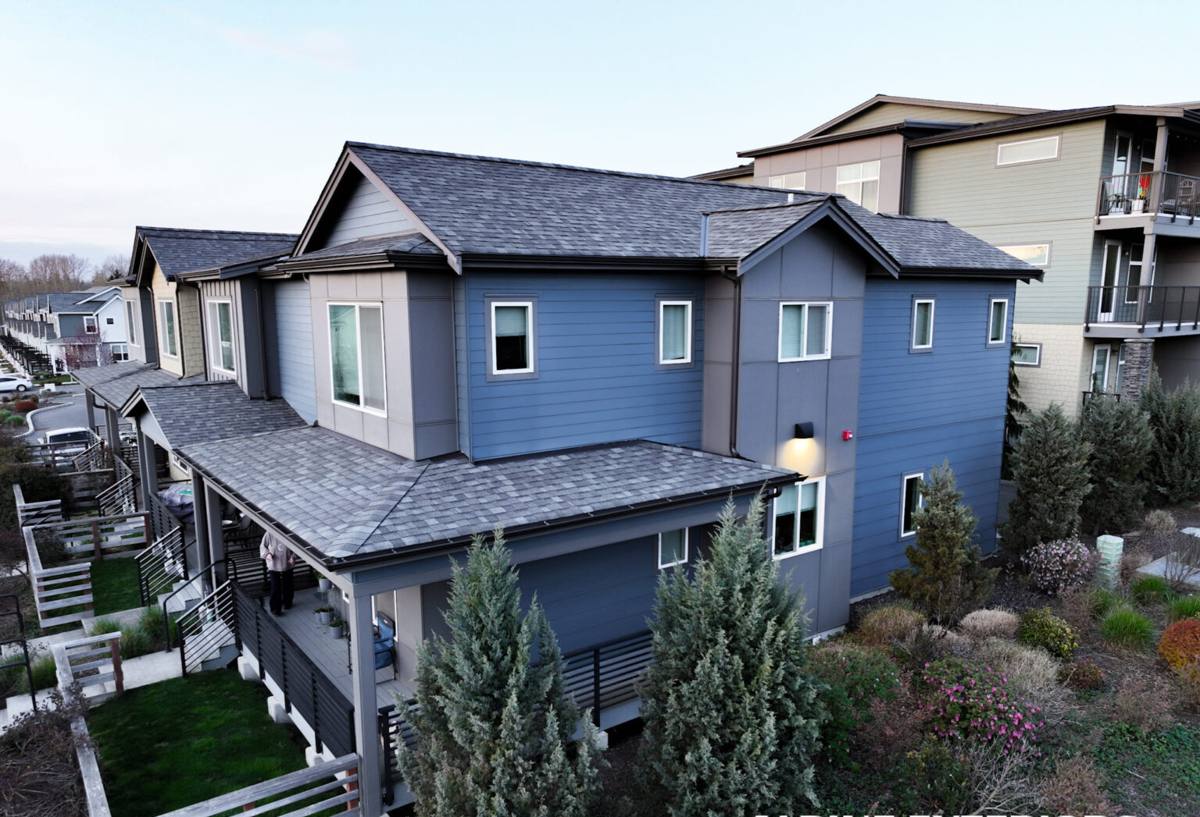
What Braden River Homes Actually Need From Their Siding
Before talking about installation, it helps to understand what the siding itself has to survive here, because that's what should drive every decision that follows — the product, the fasteners, the flashing details, and the sequencing of the job.
Wind
Manatee County sits in a hurricane-exposed wind zone, and siding that isn't fastened, spaced, and flashed to spec is one of the first things to fail in a strong storm. Wind doesn't just push on siding — it gets under panels that weren't installed tightly, and once it's behind the cladding it can peel a wall section in seconds.
UV Exposure
Florida sun is relentless, and siding on south- and west-facing walls takes the brunt of it nearly every day of the year. Products that rely on a painted-on finish, rather than a factory-baked finish, tend to chalk, fade, and need repainting far sooner in this kind of exposure.
Wind-Driven Rain
Rain in this region rarely falls straight down during a storm — it comes in sideways. That means the weather-resistive barrier behind the siding, the flashing above windows and doors, and the way seams and laps are detailed all matter more here than they would in a drier, calmer climate.
Salt Air
Even inland from the immediate coastline, salt air travels and accelerates corrosion on fasteners, trim, and any component not rated to handle it. Over time it also degrades certain siding substrates faster than manufacturers' generic warranty language accounts for.
What a Correct Siding Installation Actually Involves
Siding installation is often talked about like it's just "nailing boards to a wall." In a climate like this, that mindset is how homeowners end up with a ten-year problem instead of a forty-year exterior. A correct job involves several layers most people never see once the siding is up:
- A sound, dry substrate — any rot, soft sheathing, or existing moisture damage gets addressed before anything new goes on the wall
- A continuous, properly lapped weather-resistive barrier that sheds water downward and outward, not one with gaps or reversed laps
- Correct flashing at every penetration — windows, doors, hose bibs, light fixtures, and any place trim meets a horizontal surface
- Manufacturer-specified fastener type, length, and spacing — not "close enough," since under-fastened siding is a wind-uplift risk
- Proper clearance at the bottom edge, especially near grade, decks, and roof-to-wall transitions, so water doesn't wick into the material
- Correctly caulked and painted (or factory-finished) joints so seams don't become entry points for moisture
Skip or rush any one of these steps and the siding can look fine for a year or two while a problem builds behind it — which is exactly the kind of failure that shows up as a surprise repair bill later.
Why We Install Only James Hardie Fiber Cement
We don't install vinyl siding, LP SmartSide, Cemplank, Allura, primed spruce, or cedar. That's not a marketing position — it's a standard we set because of what those materials require to hold up in a coastal Florida climate, and what happens when that requirement isn't met over the life of the siding.
James Hardie fiber cement is non-combustible, engineered specifically for high-humidity, high-UV, storm-prone climates through its HZ product lines, and finished with ColorPlus technology — a factory-baked finish that resists fading and chipping far better than field-applied paint. It also carries a strong transferable warranty, which matters to homeowners who may sell in the years ahead. We've standardized on it because, installed to spec, it performs the way Braden River homes need siding to perform — not because it's the only decent product on the market, but because it's the one we're willing to put our name behind here.
How the Common Alternatives Compare
| Material | Cost Factor | Coastal Wind & Moisture Behavior | Long-Term Maintenance |
|---|---|---|---|
| Vinyl siding | Lower upfront | Can warp or blow off in high wind; not rated for extreme heat exposure in dark colors | Low, but cracks and fades over time; not repairable in sections without color mismatch |
| LP SmartSide (engineered wood) | Mid-range | Wood-based core is more moisture-sensitive; edge sealing is critical in humid, rain-heavy climates | Moderate; requires diligent caulking and repainting to protect the wood substrate |
| Cedar / primed spruce | Higher upfront | Natural wood movement and moisture absorption is a real liability near salt air and heavy rain | High; regular refinishing, sealing, and pest monitoring required |
| James Hardie fiber cement | Mid-to-higher upfront | Non-combustible, engineered for high-humidity/wind climates, holds paint and dimension well | Low; factory finish resists fading, no rot risk, occasional wash and caulk check |
Cost ranges vary by home size, siding profile, and site conditions, so we don't quote pricing generically — every Braden River estimate is based on the actual home.
Our Braden River Siding Installation Process
The steps themselves aren't unique to us — what matters is that none of them get skipped, and that the sequencing accounts for our climate rather than a generic install checklist written for a different region.
- On-site assessment. We look at the existing wall assembly, note any moisture damage, check window and door flashing condition, and confirm exposure direction for wind and sun.
- Tear-off and substrate prep. Old siding comes off, sheathing is inspected and repaired as needed, and any rot or existing water damage is corrected before new material goes on.
- Weather-resistive barrier installation. A continuous barrier is installed with correct overlaps, sealed penetrations, and attention to how water will actually travel down the wall in a wind-driven rain event.
- Flashing at every opening. Windows, doors, and other penetrations get flashed before siding goes up around them — this is one of the most commonly rushed steps industry-wide, and one of the most consequential to skip.
- Hardie panel or plank installation. Installed to manufacturer fastening specs — correct nail type, spacing, and clearance from grade, roofline, and adjoining surfaces.
- Trim, caulking, and finish detail. Joints are sealed correctly, not just cosmetically, since this is where wind-driven rain finds its way in if it's going to.
- Final walkthrough and cleanup. We review the finished work with the homeowner and clear the site — old material, debris, and fasteners don't get left behind.
Signs Your Braden River Home May Need New Siding
Not every siding problem is obvious from the street. A few signs worth checking, especially after storm season or a long stretch of intense sun:
- Visible cracking, warping, or buckling panels, especially on south- or west-facing walls
- Soft spots or give when you press gently on the siding near the bottom edge
- Peeling or bubbling paint that keeps coming back in the same spots
- Rising energy bills with no other clear cause, which can point to a compromised weather barrier
- Visible gaps at trim, corners, or window and door edges
- A musty smell or discoloration on interior walls that back up to exterior siding
- Siding that's more than 20-25 years old, particularly if it's a material other than fiber cement
Any one of these is worth a professional look before it becomes a bigger repair.
Manatee County Wind Load and Permitting Considerations
Siding replacement in Manatee County typically involves a permit, and inspections check that the installation meets current wind-load and building code requirements for our region — not the generic national standard, but the coastal Florida version of it. This affects fastening schedules, flashing details, and in some cases the products that qualify. A crew that pulls permits and installs siding in this area regularly already has this built into how they work; it's not something to figure out mid-project.
Why a Crew That Already Works Braden River Matters
Siding installation quality comes down to details that don't show up in a sales conversation — how tightly fasteners are set, whether flashing gets lapped correctly, whether the crew slows down around every window and door instead of rushing through the flat wall sections. A crew that already works in Braden River and the surrounding Bradenton area has already run into the site conditions specific to this part of Manatee County: the humidity that affects material handling and cure times, the wind exposure that dictates fastening schedules, and the inspection expectations that come with local permitting. That experience shows up in fewer callbacks and a longer-lasting result, not in anything you'd notice on install day.
Maintenance After Installation
James Hardie siding installed correctly is genuinely low-maintenance, but "low" isn't "none." A simple annual routine keeps it performing the way it's designed to in this climate:
- Rinse the siding periodically to clear salt residue and airborne debris, especially on walls facing prevailing wind
- Inspect caulking at trim and penetrations once a year and reseal any cracked or separated joints
- Walk the exterior after any major storm to check for impact damage or loosened trim
- Keep landscaping and sprinklers from spraying directly on siding long-term, which can accelerate wear at ground level
Get a Straight Answer for Your Home
Every Braden River property is a little different — sun exposure, wall condition, and site layout all factor into what a correct installation looks like on your specific home. If you're weighing a siding replacement or just want an honest read on what condition your current siding is in, we're happy to take a look. Fill out the form below for a free, no-pressure estimate.