 Bradenton Window
 Storm Damage Roof Repair for Southgate Homes
Southgate is one of the older, established pockets of Bradenton, and a lot of the roofs covering those homes have been through more than one hurricane season. When a storm rolls through Manatee County, the damage isn't always the dramatic kind you see on the news — missing shingles scattered across a lawn. More often it's the quiet kind: a lifted shingle tab, a cracked pipe boot, a seam of flashing that pulled back a half-inch from a chimney. None of it looks urgent from the driveway. All of it lets water into a roof deck that was never built to handle standing moisture.
This page is specifically about storm damage roof repair for homes in and around Southgate — what causes it here, what a correct repair actually involves, and why it matters to work with a crew that already knows this neighborhood's roofs rather than a storm-chasing outfit that showed up the week after the last named storm.
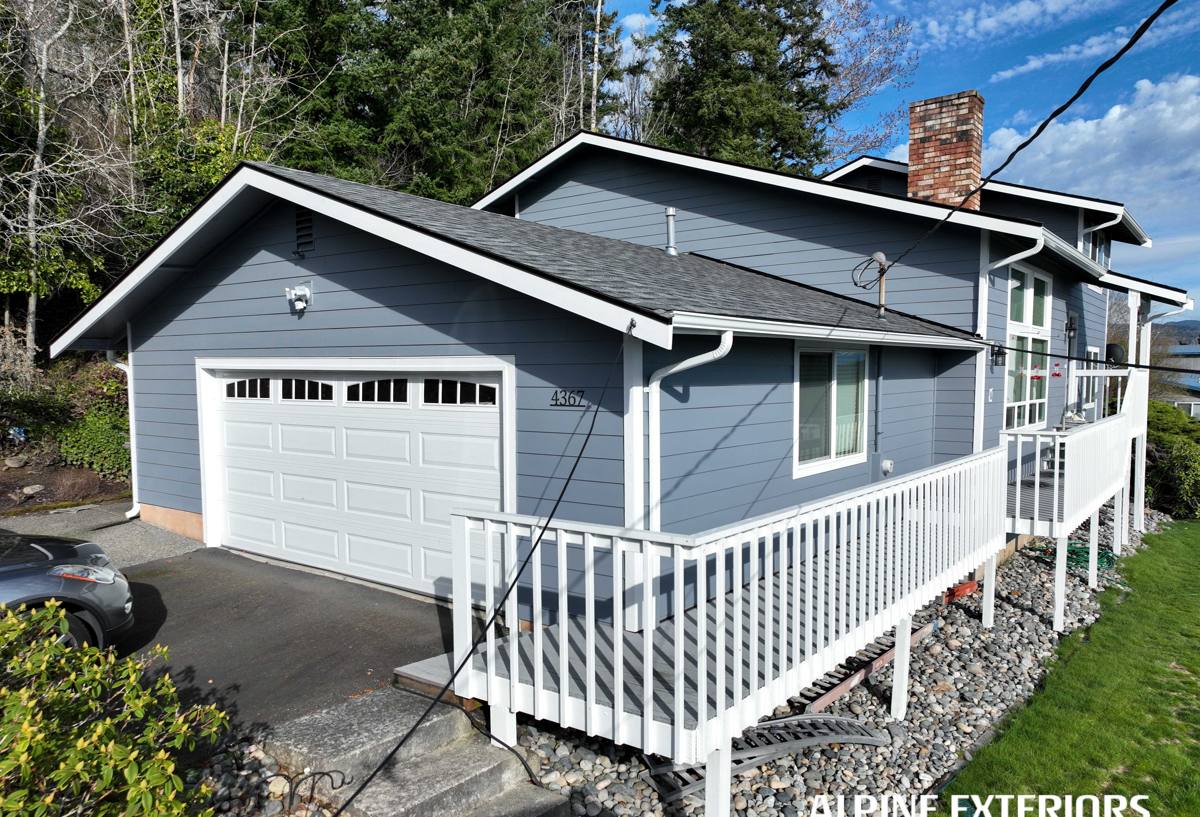
What Bradenton Storms Actually Do to a Roof
Wind Uplift
Hurricane-force and even tropical-storm-force gusts don't just push on a roof — they create uplift pressure at the edges, corners, and ridge line, the same aerodynamic effect that lifts an airplane wing. That's where you'll typically find the first shingles or tiles to fail, and it's why a repair that only addresses the middle of a roof slope while ignoring the perimeter fastening is an incomplete repair.
Wind-Driven Rain
Straight-down rain is rarely the problem. Rain that's being driven sideways at 40, 60, or 80 mph finds every gap in flashing, every under-sealed nail head, and every seam where two roofing sections meet. It can travel up and under shingles against gravity. A roof can look fully intact after a storm and still have taken on water through wind-driven rain intrusion at a vent boot or valley.
UV and Salt Air, Year-Round
Bradenton's near-constant sun bakes asphalt shingles and dries out sealant strips faster than in most of the country, so materials that are already brittle from UV exposure fail more easily in the next storm. Add the salt air coming off Tampa Bay and the Gulf, and any exposed metal — flashing, fasteners, drip edge — corrodes faster than it would inland. A storm doesn't create these weaknesses out of nothing; it exploits ones that were already building for years.
Signs Your Southgate Roof Took Storm Damage
Most storm damage isn't visible from the ground, and homeowners often don't know they have a problem until a stain shows up on a ceiling weeks later. Here's what's worth checking after any significant wind or rain event:
- Granules collecting in gutters or at downspout outlets (a sign of shingle wear or impact damage)
- Shingles that look curled, lifted at the corners, or creased
- Missing or visibly bent flashing around chimneys, skylights, or roof-to-wall transitions
- Soft spots or discoloration on interior ceilings, especially near exterior walls
- Debris or visible punctures from tree limbs, even small ones
- Gaps or separation where the roof meets a vent pipe, exhaust fan, or attic vent
- A musty smell in the attic, which often shows up before any visible staining
If you see any of these, the right move is a roof inspection — not a wait-and-see approach. Small entry points get worse with every subsequent rain, not better.
What a Correct Storm Damage Repair Involves
1. Full Roof Inspection, Not Just a Look at the Obvious Spot
A homeowner might call about one visible issue — a lifted shingle near the front porch — but storm damage rarely stays in one spot. A proper inspection covers the whole roof plane, the flashing details, the attic underside, and the gutter system, because wind damage on one slope often has a matching issue on the opposite side of the house.
2. Emergency Mitigation When Needed
If a roof has an active leak or exposed decking, the first job is stopping water intrusion — tarping the affected area and securing loose materials so the damage doesn't spread while repairs are scheduled. This step matters for insurance too: most policies expect the homeowner to take reasonable steps to prevent further damage.
3. Decking Assessment
Once shingles or tile are pulled back from the damaged area, the roof deck underneath gets checked for water staining, soft spots, or delamination. Repairing the surface over compromised decking is a shortcut that fails again in the next storm — any soft or water-damaged decking needs to be cut out and replaced before new roofing material goes down.
4. Flashing and Underlayment Repair
Flashing around chimneys, skylights, walls, and valleys is where the majority of storm leaks originate, so it gets replaced or resealed as part of the repair, not just the visible shingles around it. Underlayment — the water-resistant barrier beneath the shingles — gets inspected and replaced in the affected section as well.
5. Material Matching
Repairing a section of roof means matching the existing shingle or tile profile, color, and, where possible, manufacturer as closely as the market allows. A patch that's visibly a different shade or profile isn't just a cosmetic issue — mismatched materials can also age and weather at different rates, creating uneven wear over time.
6. Fastening to Current Wind Standards
Florida's roofing code has tightened fastening and sealing requirements over the years specifically because of storm performance. Any repair work done today should meet current fastening patterns and sealing methods, even on an older roof, rather than just replicating whatever was there before.
Repair or Full Replacement? Cost and Condition Factors
Not every storm-damaged roof needs full replacement, but not every roof is a good candidate for a patch repair either. The honest answer depends on the roof's age, the extent of the damage, and how much of the underlying deck is compromised.
| Factor | Leans Toward Repair | Leans Toward Replacement |
|---|---|---|
| Roof age | Under 10-12 years | Approaching or past its rated lifespan |
| Damage extent | Localized to one or two areas | Spread across multiple slopes |
| Decking condition | Solid, dry, isolated soft spots | Widespread rot or delamination |
| Material availability | Matching shingle/tile still in production | Discontinued profile or color |
| Prior storm history | First significant damage event | Repeated repairs over recent years |
A crew that's honest with you will tell you when a repair is the right call and won't push a full replacement on a roof that has years of good service left in it. The reverse is also true — patching a roof that's already near the end of its life just delays an expense and risks another leak before the next storm season.
Working With Your Insurance Claim
Most storm damage repair in this area involves an insurance claim, and the process goes more smoothly when the roofing documentation is thorough from the start. That generally means photo documentation of the damage before any tarping or repair work begins, a written scope of the repair that matches what the adjuster is evaluating, and keeping records of any emergency mitigation performed. We're not a public adjuster and won't promise a claim outcome, but we can provide the kind of clear, honest damage documentation that supports your claim rather than complicates it.
Why a Local Southgate Crew Makes a Difference
After a significant storm, Bradenton sees an influx of traveling repair crews working the neighborhood door to door. Some are legitimate. Many are gone before the following season, which becomes a real problem if a repair fails or a warranty claim needs to be honored. A crew that's based here and has worked roofs throughout Southgate and the surrounding Manatee County neighborhoods has a few practical advantages:
- Familiarity with the roof styles and ages common to Southgate's housing stock
- An established relationship with the local permitting process
- The ability to respond quickly without a multi-week backlog from out-of-town storm chasers
- Accountability after the job — we're still here next season if something needs a follow-up look
How Our Process Works
- You call or request an estimate, and we schedule an inspection promptly, especially for active leaks.
- We inspect the full roof, not just the reported problem area, and document what we find with photos.
- We walk you through what's actually damaged, what caused it, and what repair options make sense — no upsell to a full replacement unless the roof genuinely needs it.
- We provide a clear, written estimate before any work begins.
- If there's an insurance claim involved, we provide documentation that supports your adjuster's evaluation.
- We complete the repair using matched materials and current code-compliant fastening and flashing methods.
- We do a final walkthrough with you so you know exactly what was done.
Protecting Your Roof Between Storms
A well-executed repair buys you time, but a little routine attention extends it further. Keeping gutters clear so water doesn't back up under the roof edge, trimming tree limbs that hang over the roofline before storm season, and having a quick visual inspection done after any major wind event are simple habits that catch small problems while they're still small. Given how much sun and salt air this roof has to withstand year-round, catching a lifted shingle or a failing sealant joint early is far less costly than dealing with the water damage that follows months of slow intrusion.
If your Southgate home has visible or suspected storm damage — or you just want an honest second opinion on a roof that's taken a beating from a recent system — we're glad to come take a look. Reach out for a free, no-pressure estimate using the form below.