 Bradenton Window
 New Roof Installation for Tara Homes in Bradenton
Tara is one of the established residential communities on the east side of Bradenton, and like most neighborhoods built up over the last few decades in Manatee County, a lot of its roofs are reaching the point where patching no longer makes sense. Between hurricane-force wind events, intense year-round UV exposure, wind-driven rain, and the salt air that reaches inland from Tampa Bay and the Gulf, roofs in this area age faster than the same materials would in a drier, cooler climate. A correct new roof installation isn't just about swapping old shingles for new ones — it's about building an assembly that can actually take what this climate throws at it, year after year.
We install roofs in Tara and the surrounding parts of Bradenton regularly enough to know what tends to fail here and why. This page covers what a proper installation involves, what your material options really trade off against each other, and how our process works from first estimate to final inspection.
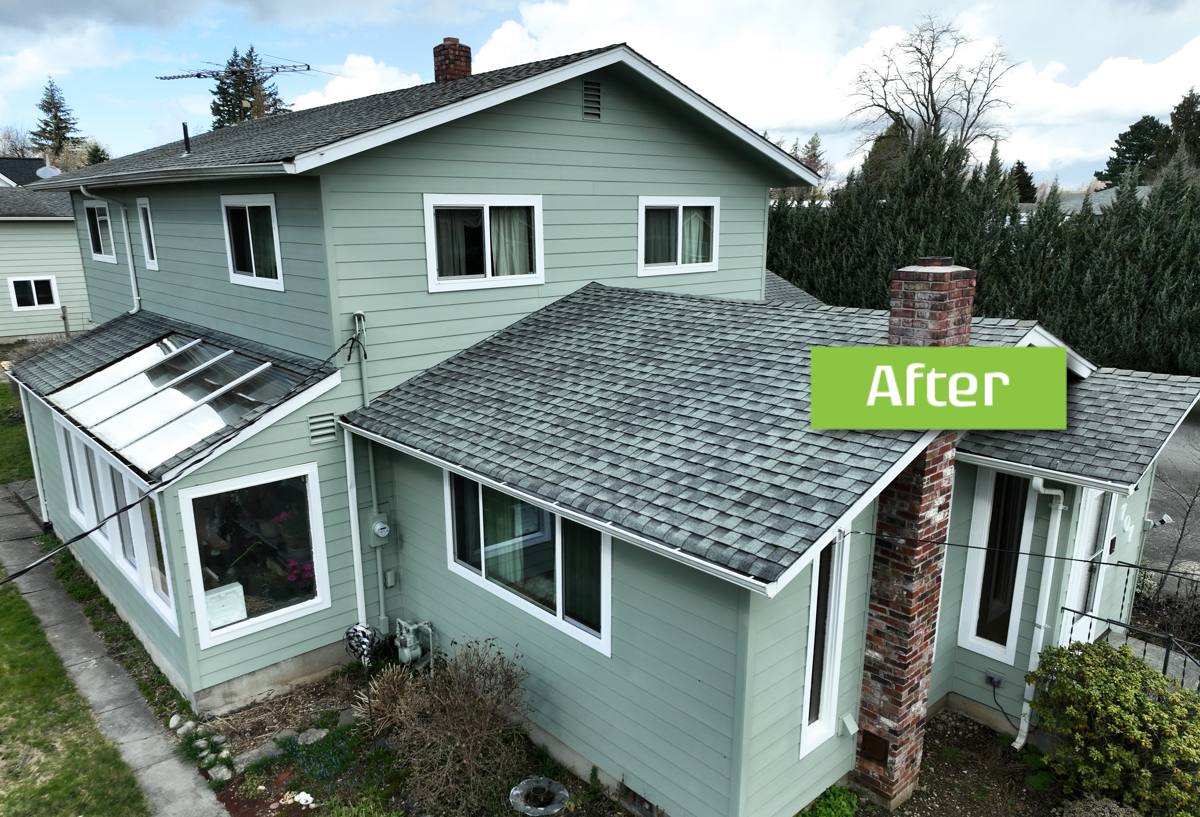
Signs a Repair Won't Cut It Anymore
Every roof reaches a point where repair spending stops making financial sense. In our experience working Tara roofs, these are the clearest signals a full replacement is the smarter move:
- Granule loss heavy enough that you're finding shingle grit in gutters and downspouts on a regular basis
- Shingles that are cupping, curling, or cracking across multiple areas of the roof, not just one isolated patch
- Soft spots or sagging in the roof deck when walked, which usually means water has already reached the plywood
- Recurring leaks in more than one location, or leaks that keep returning after repairs
- Visible daylight through the attic decking, or insulation that's damp or discolored
- A roof approaching or past the manufacturer's rated lifespan, especially if it was never properly ventilated
If you're only seeing one or two of these, a repair may still be reasonable. If you're seeing several at once, you're usually looking at systemic wear rather than a single failure point, and that's when replacement becomes the more cost-effective path.
What a Correct Installation Actually Involves
A new roof is more than the visible shingle or tile layer. The parts you don't see are what determine whether the roof holds up through a Florida storm season or fails early. On every full installation, we address each of these layers:
Deck Inspection and Repair
Once the old roofing material is stripped, the plywood deck underneath gets inspected board by board. Any wood that's soft, delaminated, or water-stained gets replaced before anything new goes down. Skipping this step is one of the most common shortcuts in the industry, and it's the reason some "new" roofs develop soft spots within a few years.
Underlayment
This is the roof's secondary water barrier, and in a market with wind-driven rain like ours, it matters as much as the visible roofing material. We use underlayment rated for the wind and moisture exposure this area sees, installed with the correct overlap and fastening pattern rather than the minimum required to pass a quick inspection.
Flashing
Flashing around chimneys, vents, skylights, and roof-to-wall transitions is where the majority of leaks actually originate — not in the open field of the roof. Correct flashing means new metal, properly integrated with the underlayment and roofing material, not old flashing reused to save time.
Fastening and Wind Rating
How a roof is fastened matters as much as what it's fastened with. We install to the wind-rating requirements that apply in this part of Florida, using the nailing or fastening pattern the material manufacturer specifies for high-wind zones, not the minimum code baseline.
Ventilation
Attic heat buildup shortens shingle life and drives up cooling costs. A correct installation includes intake and exhaust ventilation sized for the attic space, not just whatever vents happened to be there before.
Roofing Material Options for Tara Homes
Most Tara homes are suited to either architectural asphalt shingles or metal roofing, with tile as an option on homes built or designed for that load and look. Each has real trade-offs worth understanding before you decide.
| Material | Typical Lifespan | Wind Performance | Maintenance |
|---|---|---|---|
| Architectural Asphalt Shingle | 20-30 years | Good, with high-wind rated products and proper fastening | Periodic inspection; granule loss over time |
| Standing Seam Metal | 40-50+ years | Excellent when properly fastened and detailed | Low; occasional fastener and sealant checks |
| Concrete or Clay Tile | 50+ years | Very good, but individual tiles can crack or dislodge in severe wind | Moderate; broken tiles need prompt replacement to prevent leaks |
We don't push one material over another as a blanket recommendation. The right choice depends on your home's structure, your budget, and how long you plan to own it. What we will tell you honestly is when a material isn't a good fit for a particular roof — for example, tile requires a structure designed to carry that weight, and retrofitting a home that wasn't built for it adds cost and complexity that isn't always worth it.
Cost Factors Homeowners Should Understand
Roofing quotes vary widely, and the spread usually comes down to a handful of factors rather than one contractor simply charging more for the same job.
| Factor | Why It Affects Cost |
|---|---|
| Roof size and pitch | Steeper or more complex roofs take longer and require more safety equipment |
| Deck condition | Rotten or soft decking requires plywood replacement, which is priced separately from the roofing material itself |
| Material choice | Asphalt, metal, and tile carry different material and labor costs |
| Number of roof penetrations | Chimneys, skylights, and vents each require flashing work, which adds labor time |
| Layers of existing roofing | Multiple old layers may need to be removed before new material goes down, adding tear-off time |
Broadly, a full asphalt shingle replacement on an average Tara home runs into the mid-to-high four figures to low five figures depending on size and condition, with metal and tile costing more upfront but less over the life of the roof. Any quote should break these factors out clearly so you understand what you're actually paying for.
Permitting and Insurance Considerations in Manatee County
A full roof replacement in Bradenton requires a permit through Manatee County, along with inspections at defined stages of the work. We handle the permitting and scheduling of those inspections as part of the project — it's not an add-on service, it's a required part of doing the job correctly and legally.
Beyond the permit itself, a new roof installed to current wind-rating standards can also affect your homeowners insurance premium through a wind mitigation inspection. We can provide the documentation an insurance adjuster or agent typically asks for regarding materials and fastening methods used, though the final determination on any discount is always between you and your insurer.
Our Installation Process
The process is straightforward, and we walk you through each stage before we start:
- On-site evaluation — we inspect the current roof, attic, and structure, and discuss material options based on what we find
- Written estimate — a clear breakdown of material, labor, deck allowance, and timeline
- Permitting — we pull the required Manatee County permit before work begins
- Tear-off and deck inspection — old material removed, deck inspected board by board, damaged sections replaced
- Underlayment, flashing, and material installation — installed per manufacturer specification for high-wind areas
- Cleanup — magnetic sweep for nails, full debris removal from the property
- Final inspection — county inspection scheduled and completed, documentation provided
What to Expect During the Project
A few practical things help the project go smoothly for your household:
- Vehicles moved away from the immediate work area for the duration of the project
- Expect noise during work hours, particularly during tear-off
- Pets kept indoors or off-property while crews are working overhead and around the yard
- Fragile items on walls or shelves may shift slightly from vibration — worth double-checking beforehand
- A magnetic sweep of the yard and driveway is done at the end of each work day, not just at project completion
Why a Local Bradenton Crew Matters
A roofing crew that works Tara and the surrounding Bradenton neighborhoods regularly understands the specific conditions this area presents — the way salt air accelerates corrosion on fasteners and metal components, how afternoon storm patterns affect scheduling, and what Manatee County's inspectors actually look for at each stage. That local familiarity shows up in fewer surprises during the project and fewer callbacks after it's done. It also means when you need us after the fact — for a warranty question, a follow-up inspection, or storm damage down the road — we're not a crew that passed through once and moved on.
After Installation: Keeping a New Roof Performing
A new roof still benefits from basic upkeep. Keep gutters clear so water doesn't back up under the roof edge, trim back overhanging branches that drop debris or scrape shingles in wind, and have the roof looked at after any major storm even if you don't see obvious damage from the ground. Most manufacturer warranties also require this kind of reasonable maintenance to stay valid, so it's worth doing regardless.
If your roof in Tara is showing its age or you're planning ahead of the next storm season, we're happy to take a look and give you a straightforward, no-pressure estimate. Use the form below to request one.